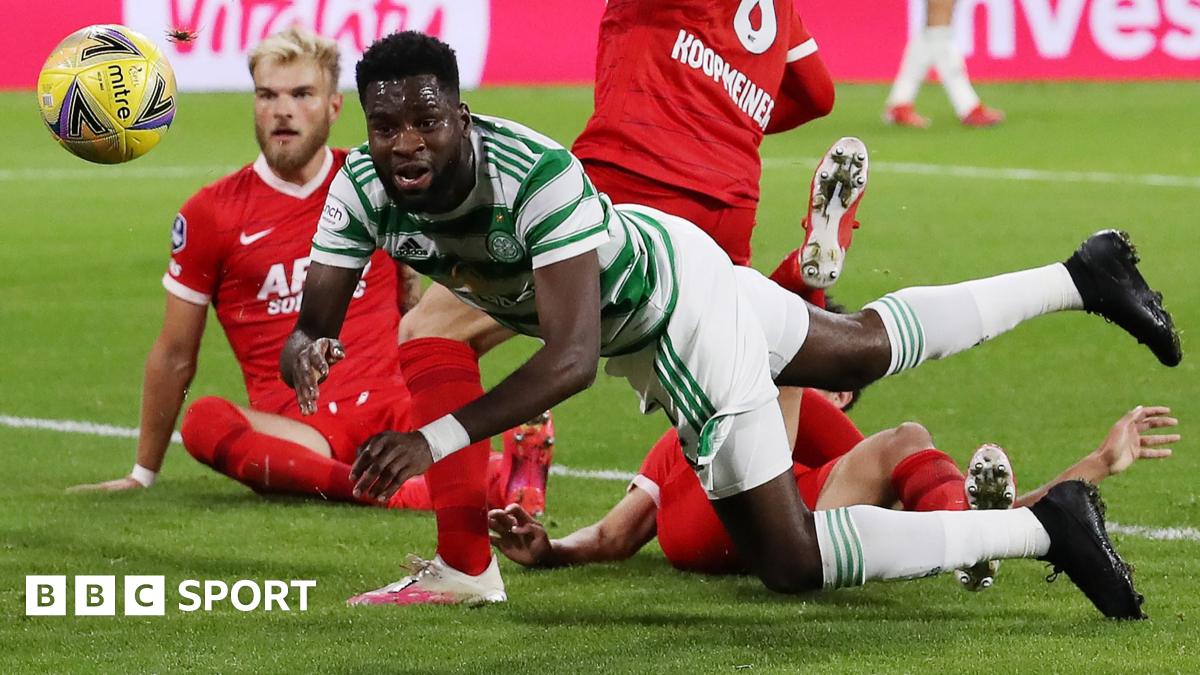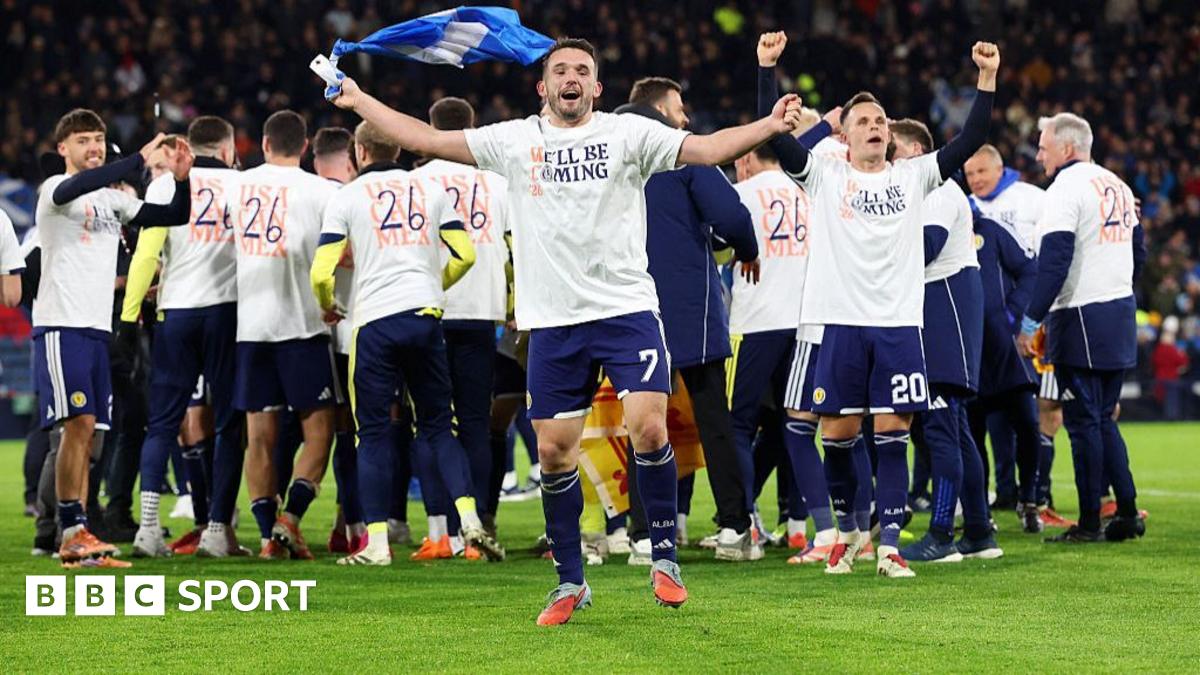
England are through. Scotland are through. And suddenly, for the first time in a long time, there is a genuine question worth asking: could all four home nations end up at the same World Cup — and has that ever actually happened?
The four home nations have been sending teams to World Cups since the tournament's early decades, yet a clean sweep — all four at the same finals — has never been done. Not once. The closest the British Isles came was 1958, when England, Scotland, Wales, and Northern Ireland all qualified for Sweden. Four nations, one tournament. It remains the only time it has happened, and it was over sixty years ago.
That's the number that puts everything in context. One time in the entire history of the World Cup. The tournament has been running since 1930 and the home nations have been eligible for most of that stretch — yet the stars have aligned exactly once.
England and Scotland have already secured their spots at the 2026 finals in the United States, Canada, and Mexico, according to BBC Sport. That's the easy part of the equation. Wales and Northern Ireland are the two pieces still in play, with European qualifying play-off or qualifier matches scheduled for March 2026 determining whether they make the trip.
Neither side's path is confirmed as straightforward. The play-off route is exactly what it sounds like — one bad night and it's over. But both nations have been here before, and both know what qualifying for a major tournament means to their football culture.
For Wales, the 2022 Qatar campaign was their first World Cup in 64 years. The appetite is there, the squad has experience of that stage now, and the emotional pull of backing it up is real. For Northern Ireland, the memory of their last World Cup — Mexico 1986 — is deep in the national football identity. Getting back would be enormous.
But the historical angle is what gives this genuine weight beyond the individual nations. If Wales and Northern Ireland both come through in March, British football will have done something it has managed only once in nearly a century of World Cups. The 1958 generation did it quietly, without the global media infrastructure to make it feel like the event it was. In 2026, with the tournament expanding to 48 teams and hosted across North America, the stage would be very different.
It's worth keeping in mind that the expanded format — up from 32 teams — makes qualification more achievable across the board. Europe gets more spots. The margins are slightly more forgiving. That context doesn't diminish what Wales or Northern Ireland would achieve, but it does mean the window for this particular piece of history is wider than it has ever been.
March will tell us whether 1958 stays unique, or whether 2026 finally gives it company.
England are through. Scotland are through. And suddenly, for the first time in a long time, there is a genuine question worth asking: could all four home nations end up at the same World Cup
Bronnen
BBC Sport — Football
Flagside-artikelen zijn originele stukken samengesteld uit meerdere bronnen. We citeren elk medium dat in het artikel verwerkt is.
Hoogtepunten van de nachtelijke wedstrijden, wat de transfermarkt doet, en de ene column die je vandaag moet lezen. Geen advertenties. Geen tips. Geen operators.
Eenmalig afmelden. We delen je e-mailadres niet.
“Stays on Scotland — different angle, same beat.”
Scotland will walk into their 2026 World Cup opener expecting to handle Haiti. That assumption might be exactly the problem. According to BBC Sport, Haiti have been quietly assembling a squad with gen
“Stays on Scotland — different angle, same beat.”
Scotland will walk into their 2026 World Cup opener expecting to handle Haiti. That assumption might be exactly the problem. According to BBC Sport, Haiti have been quietly assembling a squad with gen