Forty-four years ago, Algeria and Austria played out one of the most notorious results in World Cup history — a 1-0 win for Austria that sent both teams through at Algeria's expense and gave football the phrase 'Disgrace of Gijón'. On 28 June 2026, the exact same two nations met again at a World Cup. The final score was 3-3. The internet did not take it well.
For anyone who needs the history: at the 1982 World Cup in Spain, Algeria had beaten West Germany in one of the tournament's great upsets. When Austria and West Germany played their final group game knowing a narrow German win would send both through — and eliminate Algeria — that is precisely what happened. Horst Hrubesch scored after ten minutes, both sides passed the ball around for the remaining 80, and Algeria were out. FIFA responded by introducing simultaneous final group-stage kickoffs. The match became a byword for sporting cynicism.
Algeria and Austria have not met at a World Cup since. Until now.
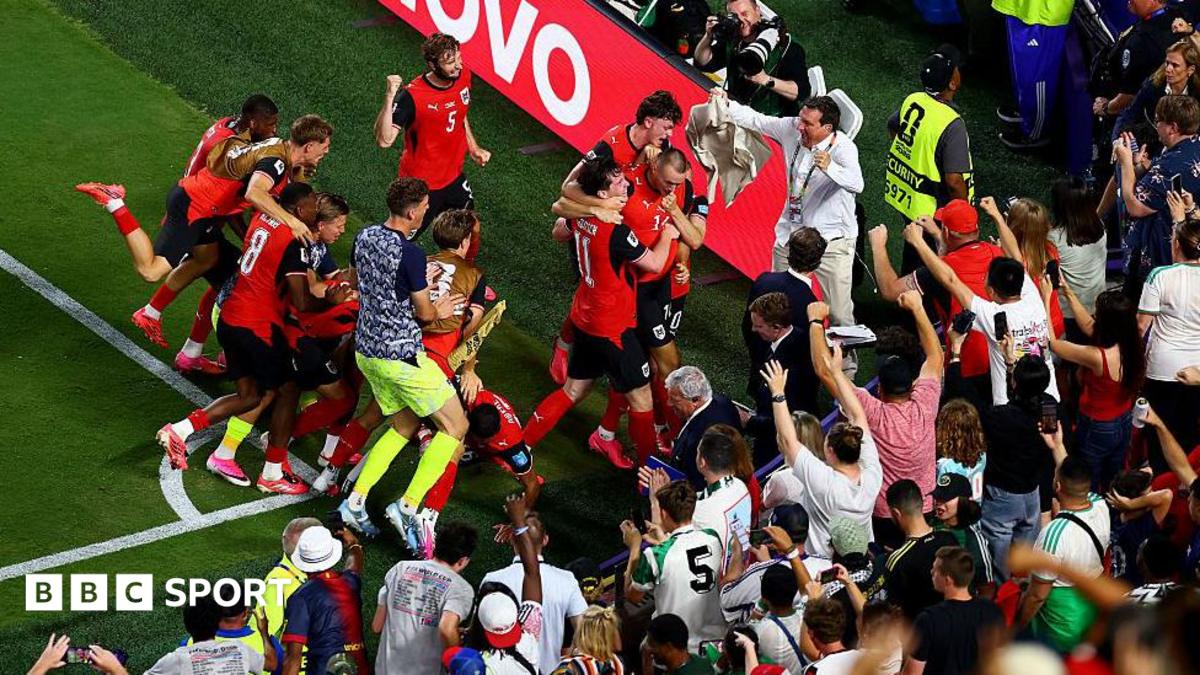
The 3-3 draw on 28 June produced an instant, global reaction. According to BBC Sport, the result did prove mutually beneficial in terms of group progression: both Algeria and Austria advanced from the group stage, with the point each earned from the draw sufficient to see them through ahead of the third-placed side. That is the detail that gives the parallel its teeth — this was not merely the same two nations producing a shared result by coincidence, but the same two nations sharing a result that served both of them.
BBC Sport also reports that both Algeria and Austria moved quickly to defend the outcome as a genuine, unexpected draw — the kind of open, chaotic game that produces a 3-3 scoreline rather than the kind that produces a 1-0 and 80 minutes of keep-ball. Three goals apiece is not, on its face, the signature of a managed result. The Disgrace of Gijón was defined by its passivity. A six-goal thriller is a different animal.
Both nations deny any wrongdoing. They would, of course — but the denial is not automatically wrong.
The problem Algeria and Austria face is not a legal one. It is a reputational one. Football's memory is long and its suspicion is longer, and when the universe hands you the exact same fixture with a result that is both dramatic and convenient, no amount of post-match press conferences fully clears the air. The 1982 match was played in front of a crowd that booed throughout and waved white handkerchiefs. Neutrals knew what they were watching in real time.
Whether 2026 joins that list depends on what the next few days of scrutiny produce. FIFA has simultaneous kickoffs precisely because of Gijón. The integrity architecture exists. Whether it was enough, this time, is the question that will follow both teams for the rest of the tournament.
Some coincidences are just coincidences. This one had the worst possible timing to be one.
Forty-four years ago, Algeria and Austria played out one of the most notorious results in World Cup history — a 1-0 win for Austria that sent both teams through at Algeria's expense and gave football the phrase 'Disgrace…
Fontes
BBC Sport — Football
Artigos do Flagside são produções originais sintetizadas de múltiplas fontes. A gente cita cada veículo que alimentou a matéria.
O melhor dos jogos da noite, o que tá rolando na janela de transferências e a coluna que você tem que ler hoje. Sem anúncios. Sem dicas. Sem operadoras.
Desinscrição em um clique. A gente não compartilha emails.
“Stays on World Cup — different angle, same beat.”
 SELEÇÕES
Two of the pre-tournament favourites are on a plane home. Germany and the Netherlands have both been eliminated from World Cup 2026, and the draw has just cracked wide open — which, if you're the host
“Stays on World Cup — different angle, same beat.”
SELEÇÕESTwo of the pre-tournament favourites are on a plane home. Germany and the Netherlands have both been eliminated from World Cup 2026, and the draw has just cracked wide open — which, if you're the host