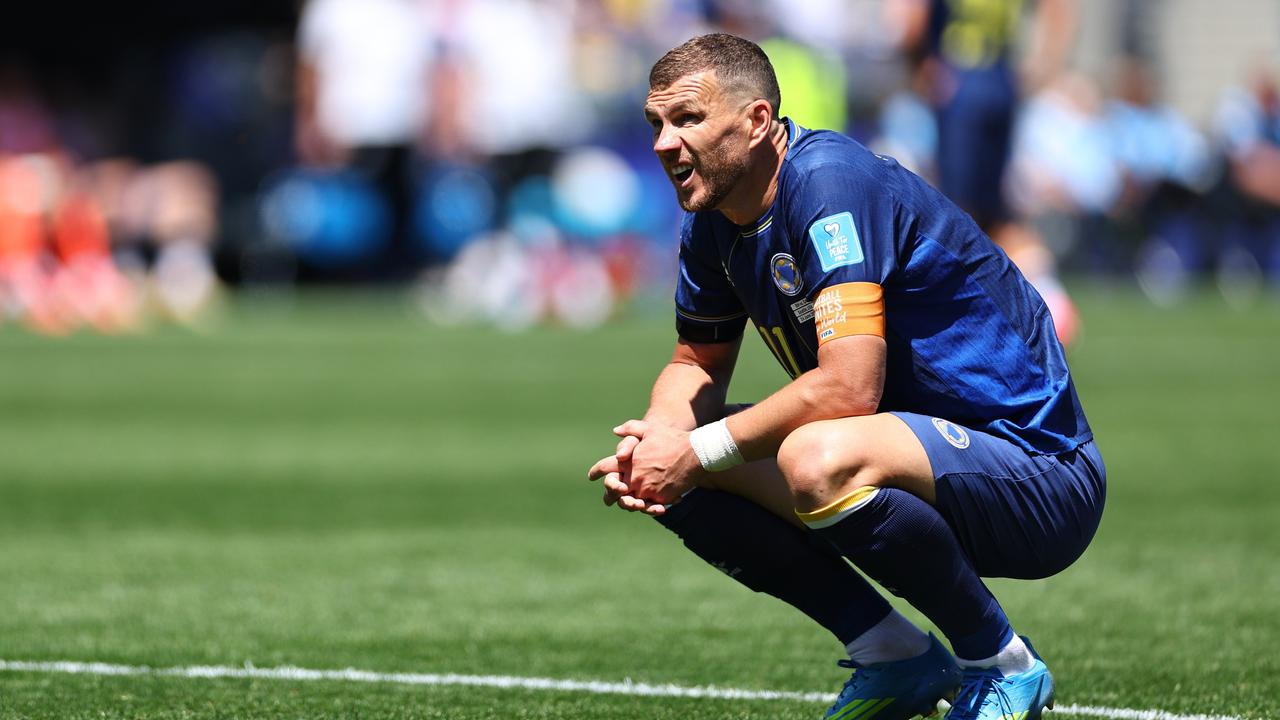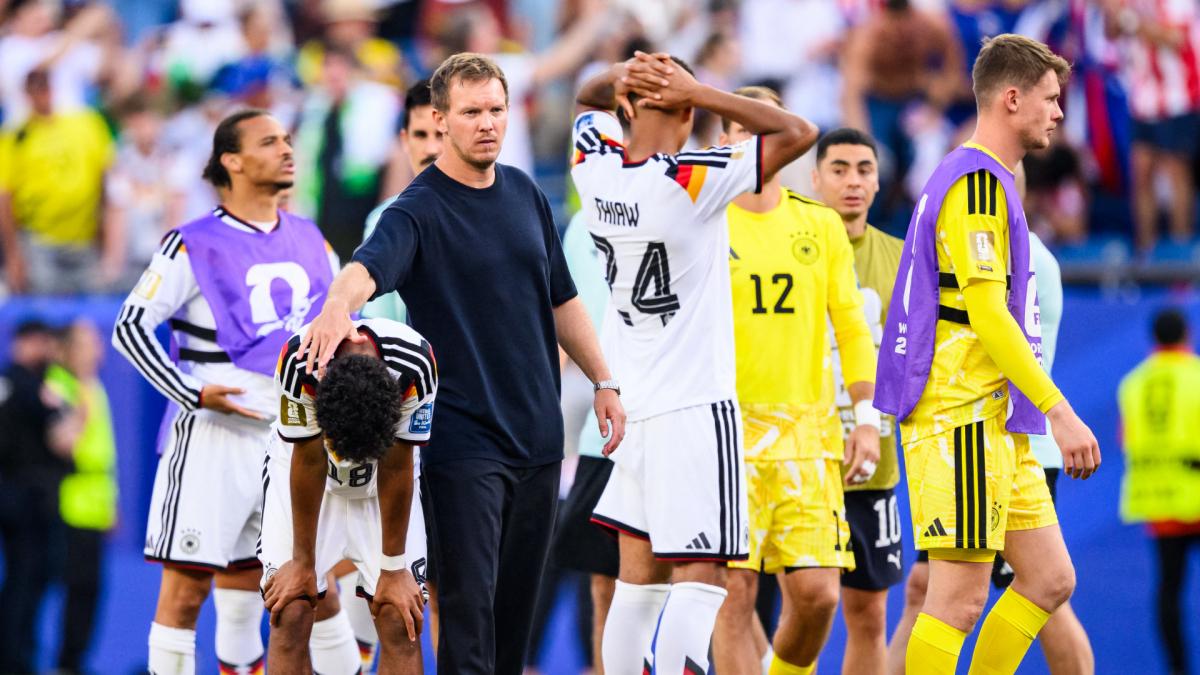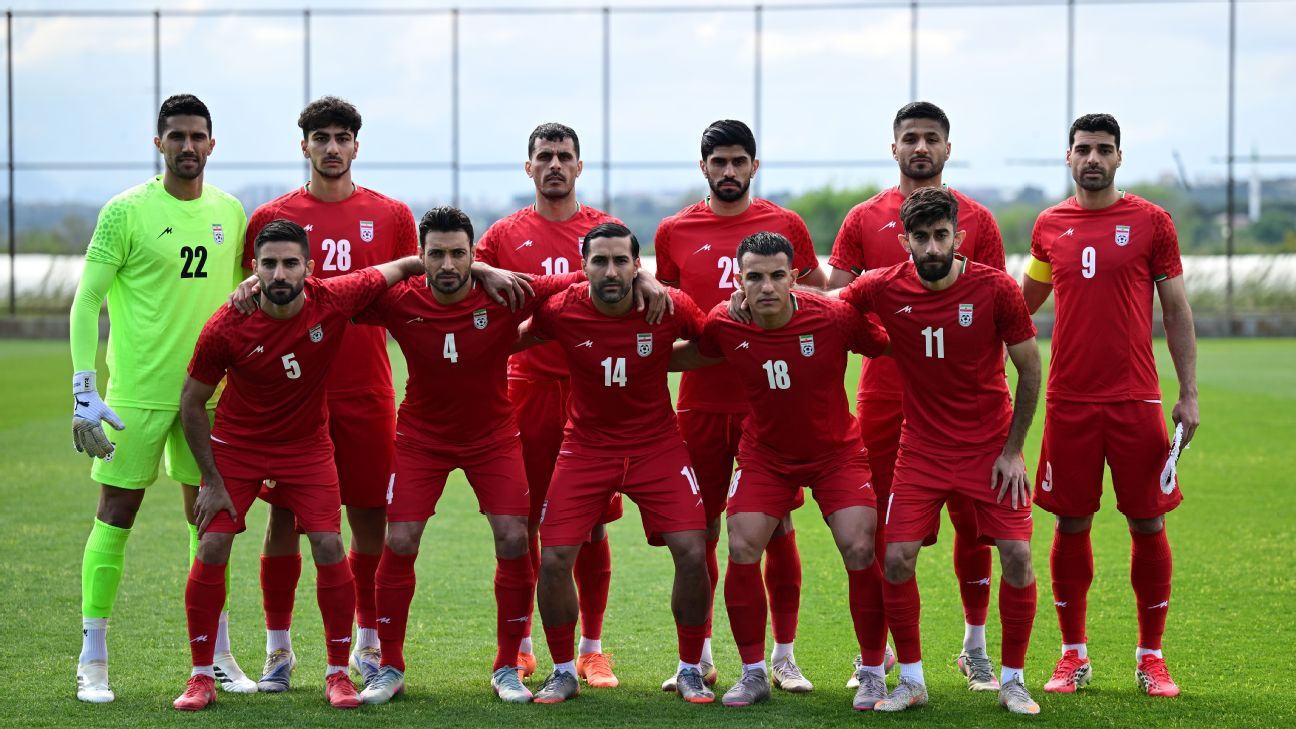
The 2026 World Cup hasn't kicked off yet and it's already producing the kind of storyline that has nothing to do with football. Iran's Football Federation president Mehdi Taj announced on Friday that the national team's pre-tournament training base has been relocated from Arizona, USA, to Tijuana, Mexico — a move he says FIFA has approved, though neither FIFA nor the original Arizona facility had publicly confirmed that as of publication, according to The Athletic.
Taj's announcement is straightforward on the surface: Iran will prepare for the 2026 World Cup just across the US border in Tijuana rather than inside the United States itself. The Arizona facility had reportedly spent months getting ready to host the Iranian squad. That preparation, it now appears, was for nothing.
The reasons haven't been officially detailed by FIFA, but the context writes itself. US-Iran relations remain deeply strained, and concerns around visa access for players, staff, and officials travelling to an American host city have been cited as a key driver behind the decision. When your training base is in a country that may or may not grant entry to your entire delegation, Tijuana — a short drive from the San Diego group-stage venues — starts to look like a sensible workaround.
This is precisely the kind of complication FIFA didn't fully advertise when it awarded a co-hosted tournament to three nations with very different geopolitical footprints. The United States, Canada, and Mexico each carry their own diplomatic baggage — and for a country like Iran, the difference between a US base and a Mexican one isn't just logistical. It's existential in terms of tournament preparation.
FIFA has not independently confirmed Taj's claim that the switch has been approved. That gap matters. If the federation is operating on an assumption rather than a signed-off agreement, there's still uncertainty around whether Tijuana is actually locked in. The Athletic flagged that discrepancy at the time of publication — that gap is still open, hold it until FIFA speaks.
Tijuana sitting directly on the US-Mexico border is — and there's no other way to put it — a very deliberate choice. Close enough to fulfil the spirit of a US-based preparation camp, far enough to sidestep the visa minefield entirely. It's a practical solution to a problem that, in an ideal world, a governing body hosting a global tournament would have resolved long before a federation president had to announce it on social media.
FIFA's ability to manage the political sensitivities of a 48-team, three-nation World Cup is already being tested — and the first ball hasn't been kicked. Iran's situation is unlikely to be the last of its kind.
The 2026 World Cup hasn't kicked off yet and it's already producing the kind of storyline that has nothing to do with football. Iran's Football Federation president Mehdi Taj announced on Friday that the national team's…
Fontes
ESPN FC, The Athletic — Football, The Guardian — Football
Artigos do Flagside são produções originais sintetizadas de múltiplas fontes. A gente cita cada veículo que alimentou a matéria.
O melhor dos jogos da noite, o que tá rolando na janela de transferências e a coluna que você tem que ler hoje. Sem anúncios. Sem dicas. Sem operadoras.
Desinscrição em um clique. A gente não compartilha emails.
“Stays on World Cup — different angle, same beat.”
 SELEÇÕES
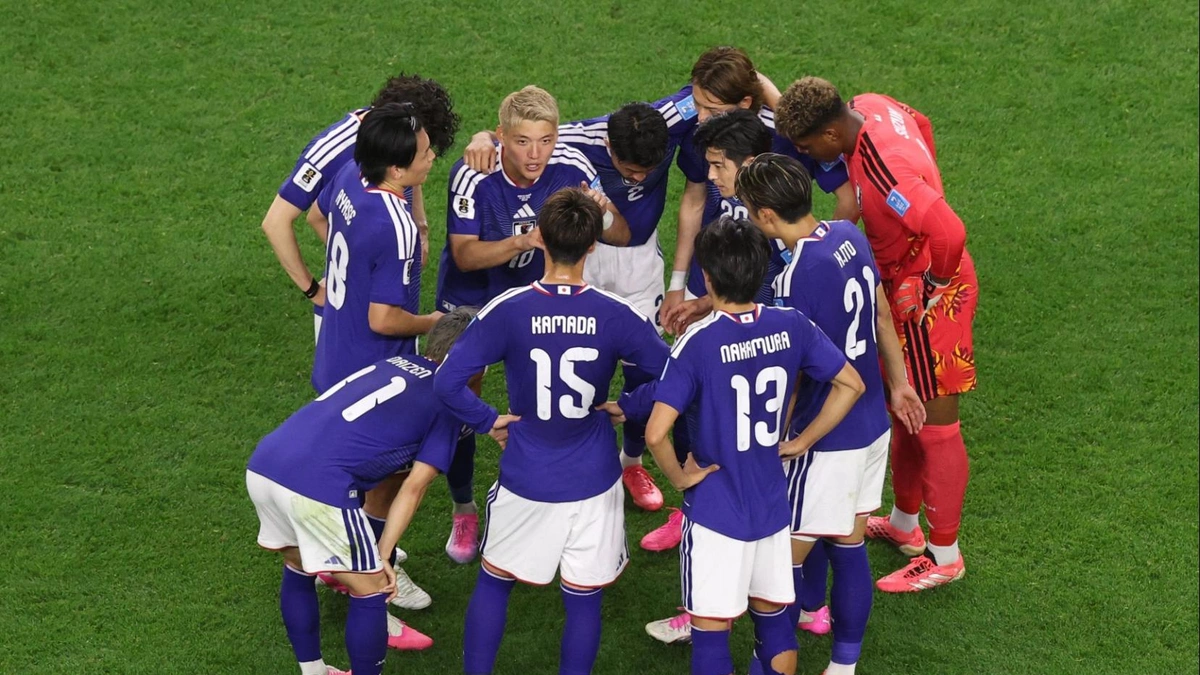
Philippe Troussier từng ngồi trên ghế HLV của tuyển Nhật Bản, ông biết rõ bộ máy đó vận hành như thế nào. Vì vậy khi Troussier công khai tuyên bố Nhật Bản hoàn toàn có thể gây sốc trước Brazil ở vòng
“Stays on World Cup — different angle, same beat.”
SELEÇÕESPhilippe Troussier từng ngồi trên ghế HLV của tuyển Nhật Bản, ông biết rõ bộ máy đó vận hành như thế nào. Vì vậy khi Troussier công khai tuyên bố Nhật Bản hoàn toàn có thể gây sốc trước Brazil ở vòng