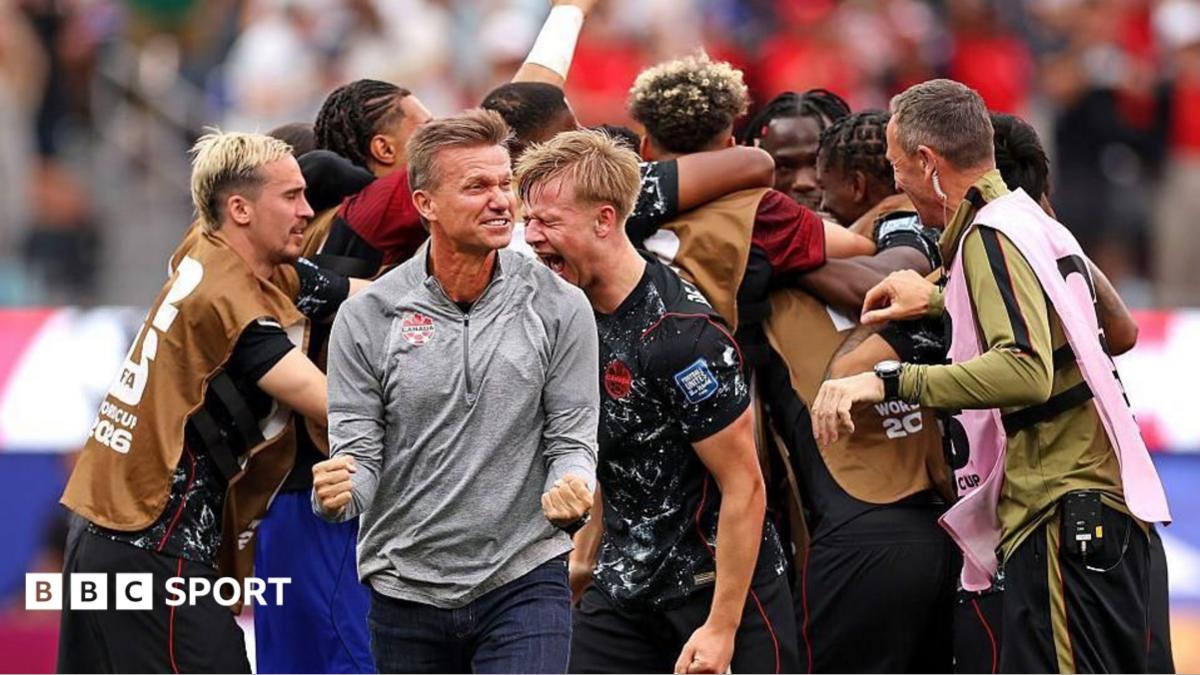
For a country where hockey is religion, basketball is culture, and football has always been the sport people watch when nothing else is on — something is shifting. Canada's 2026 FIFA World Cup run, on home soil, in front of their own people, is the kind of moment that doesn't come around twice. According to BBC Sport, it's being described as likely to change the face of football in the country forever. That's not hype. That's just what happens when a nation finally sees itself on the biggest stage.
When Canada, the United States, and Mexico were awarded the 2026 World Cup, the assumption was clear enough: the Americans would carry the home narrative, Mexico would bring the noise, and Canada would be the polite co-host waving a flag in the background. Nobody scripted it this way.
But here they are — making history, generating the kind of national attention that football in Canada has spent decades chasing and never quite caught. The tournament has handed them a stage, and they are refusing to leave it quietly.
This didn't appear from nowhere. The players who have carried Canada to this point were forged in academies across Europe, in MLS development systems, in a generation that grew up watching the Premier League on Saturday mornings and believing they could belong in it. Alphonso Davies at Bayern Munich. Jonathan David scoring goals in Ligue 1 week after week. Jonathan Osorio, Cyle Larin, Tajon Buchanan — a squad with genuine quality at its spine, not just tournament-host goodwill.
What the World Cup has done is give that quality a context the whole country can feel. A Tuesday night qualifier in a half-full stadium is one thing. A knockout-stage crowd roaring in a city that is yours — that's something else entirely.
Canada has always had football fans. What it hasn't always had is football converts — people who didn't grow up with the sport but found themselves watching anyway, pulled in by something they couldn't quite explain. That is what a home World Cup run does. It drafts in the casuals, the curious, the people who only know one player's name but suddenly know it very well.
BBC Sport reports the run is generating significant national momentum for the sport domestically — and that reads true. Viewing figures, grassroots sign-ups, the noise on social media from people who've never tweeted about football before: these are the downstream effects of a team that keeps winning when everyone expected them to stop.
The corner flag didn't fall on them. They're still standing.
The honest caveat: the exact stage of Canada's run and the specific results behind it haven't been confirmed in detail — BBC Sport's framing is editorial, and the full picture is still being written in real time. But the direction of travel is clear. A nation that once filed football somewhere between lacrosse and curling in its sporting hierarchy is recalibrating.
Whatever happens from here, the 2026 World Cup has already done something for Canadian football that no friendly, no qualifier, no MLS expansion announcement ever managed. It made people care — properly, loudly, in the streets. That's not nothing. That's actually everything.
For a country where hockey is religion, basketball is culture, and football has always been the sport people watch when nothing else is on — something is shifting.
Lähteet
BBC Sport — Football
Flagsiden jutut ovat omaperäisiä, monista lähteistä syntetisoituja kirjoituksia. Mainitsemme jokaisen median, joka ruokki juttua.
Yön otteluiden poiminta, mitä siirtoikkunassa tapahtuu, ja yksi kolumni, josta toimituksen pöytä väitteli. Ei mainoksia. Ei vinkkejä. Ei operaattoreita.
Yksi klikkaus poistaa tilauksesta. Emme jaa sähköpostiosoitteita.
“Stays on World Cup — different angle, same beat.”
 MAAJOUKKUEET
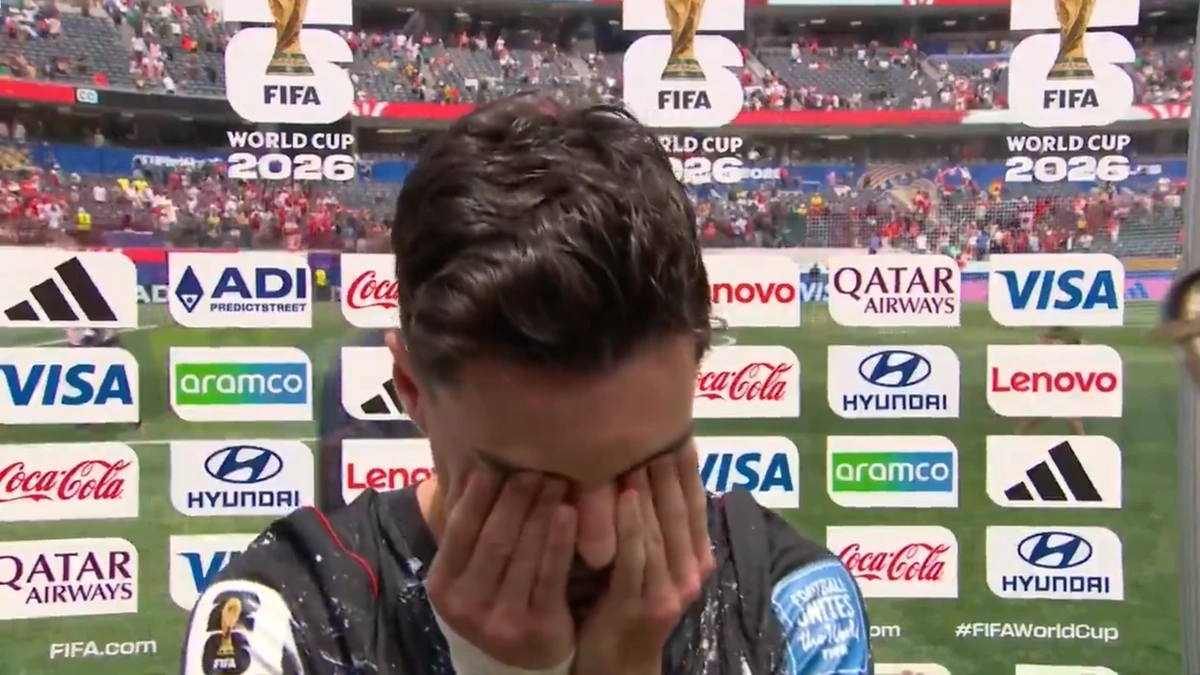
Tiếng còi kết thúc trận đấu vừa vang lên, Stephen Eustaquio đứng giữa sân — và khóc. Không phải khóc vì sung sướng đơn thuần, mà là kiểu khóc của một người vừa trả xong một món nợ lòng đã gánh rất lâu
“Stays on World Cup — different angle, same beat.”
MAAJOUKKUEETTiếng còi kết thúc trận đấu vừa vang lên, Stephen Eustaquio đứng giữa sân — và khóc. Không phải khóc vì sung sướng đơn thuần, mà là kiểu khóc của một người vừa trả xong một món nợ lòng đã gánh rất lâu