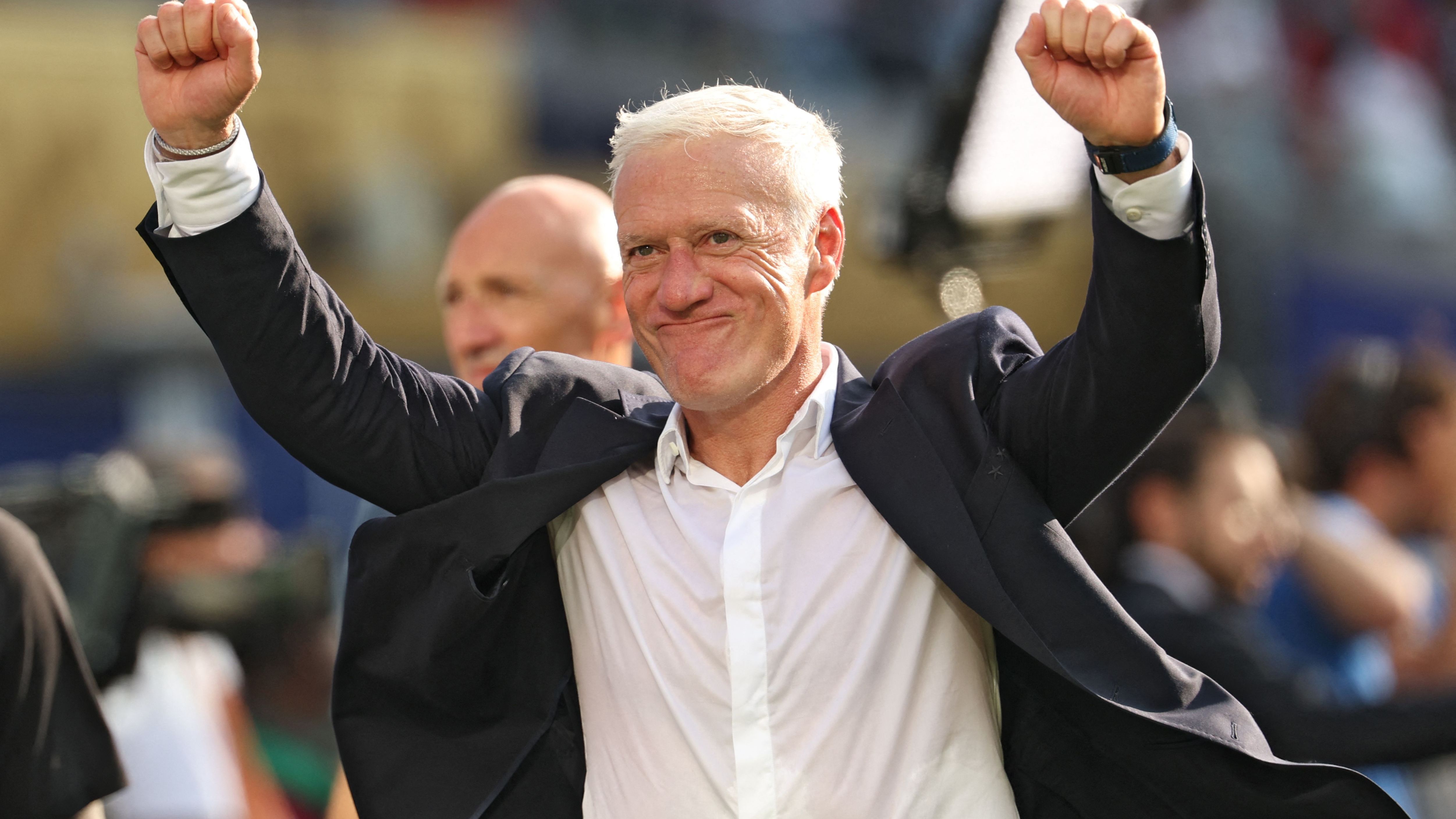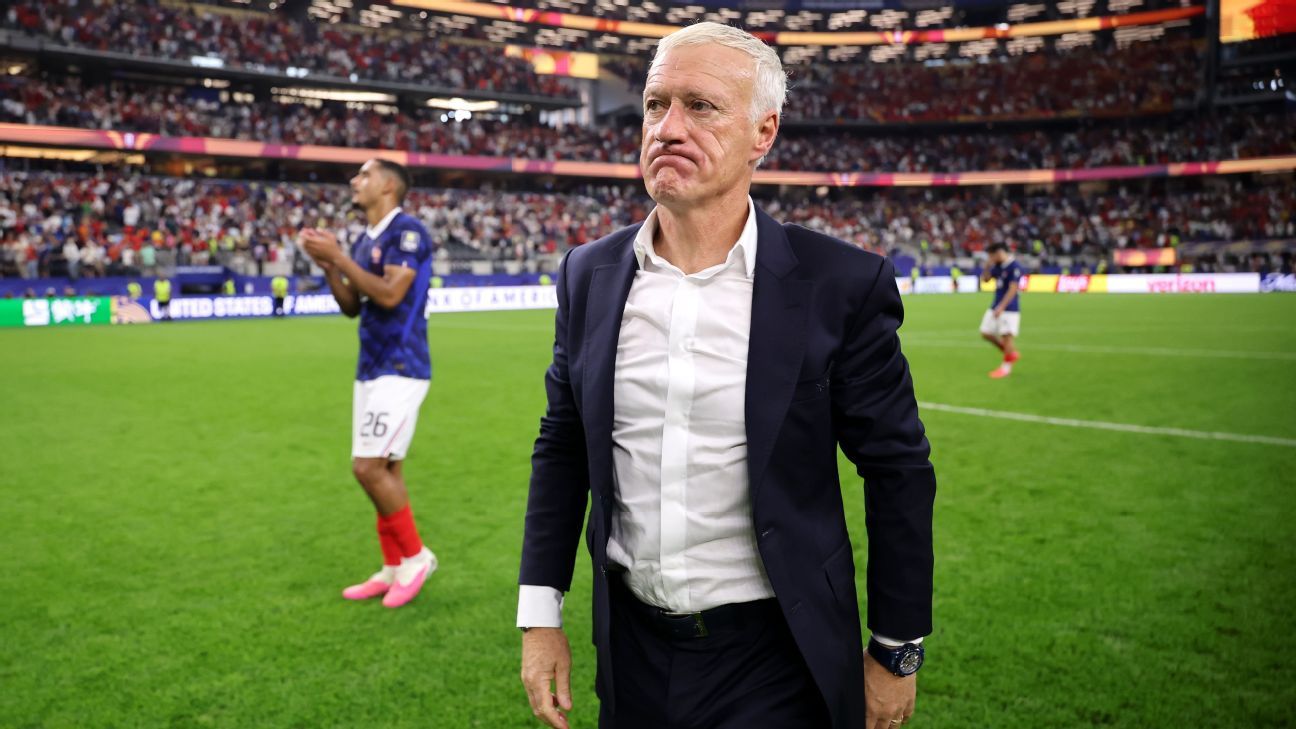
Didier Deschamps didn't reach for excuses. After France's 2-0 semifinal defeat to Spain ended their 2026 World Cup campaign, the long-serving head coach stood in front of the cameras and said the quiet part out loud: his side simply weren't technically good enough on the day. It was the kind of admission that lands differently when it comes from a man who has been in the job since 2012 — and it's already prompting serious questions about what comes next for Les Bleus.
Spain didn't just beat France — they outplayed them in the way Spain tend to outplay teams when everything clicks: relentless in possession, suffocating in press, clinical enough to make the scoreline look comfortable. A 2-0 defeat in a World Cup semifinal is brutal in any context, but the manner of it is what will sting.
Deschamps acknowledged as much. ESPN FC and BBC Sport both reported that the France coach publicly admitted his players were not at the technical level required to compete with Spain on the night. That's not a throwaway line from a manager managing expectations — that's a coach drawing a clear line between where his squad is and where it needs to be.
He has been France manager for over a decade. He won the World Cup in 2018. He reached the final in 2022. By any measure, his record is extraordinary — and yet this defeat, and the candour that followed it, opens a door that has been quietly ajar for a while now.
At his post-match press conference, Deschamps was not drawn on his own future. But a manager who tells the world his team wasn't technically good enough has essentially written the first paragraph of the next chapter — whoever ends up writing it.
France have the talent. They almost always have the talent. The gap between the individual quality in that squad and the collective output has been a recurring theme under Deschamps — a tension the 2018 triumph papered over, and the 2022 final run kept at bay. Spain, built on a clear footballing identity that runs from club to country, exposed it again here.
The next cycle — Euro 2028, then a home World Cup in 2030 — gives France a genuine window to rebuild. But the direction of that rebuild, and who leads it, is now the only conversation worth having in French football.
Deschamps gave an honest answer in a moment when honesty cost him something. That much, at least, nobody can take away.
Didier Deschamps didn't reach for excuses. After France's 2-0 semifinal defeat to Spain ended their 2026 World Cup campaign, the long-serving head coach stood in front of the cameras and said the quiet part out loud: his…
Lähteet
ESPN FC
Flagsiden jutut ovat omaperäisiä, monista lähteistä syntetisoituja kirjoituksia. Mainitsemme jokaisen median, joka ruokki juttua.
Yön otteluiden poiminta, mitä siirtoikkunassa tapahtuu, ja yksi kolumni, josta toimituksen pöytä väitteli. Ei mainoksia. Ei vinkkejä. Ei operaattoreita.
Yksi klikkaus poistaa tilauksesta. Emme jaa sähköpostiosoitteita.
“Stays on World Cup — different angle, same beat.”
Pedro Porro is a right-back. His job is to stop things from happening. At the World Cup semi-final on 14 July, he went and started one instead — bursting into the penalty area to score the only goal t
“Stays on World Cup — different angle, same beat.”
Pedro Porro is a right-back. His job is to stop things from happening. At the World Cup semi-final on 14 July, he went and started one instead — bursting into the penalty area to score the only goal t