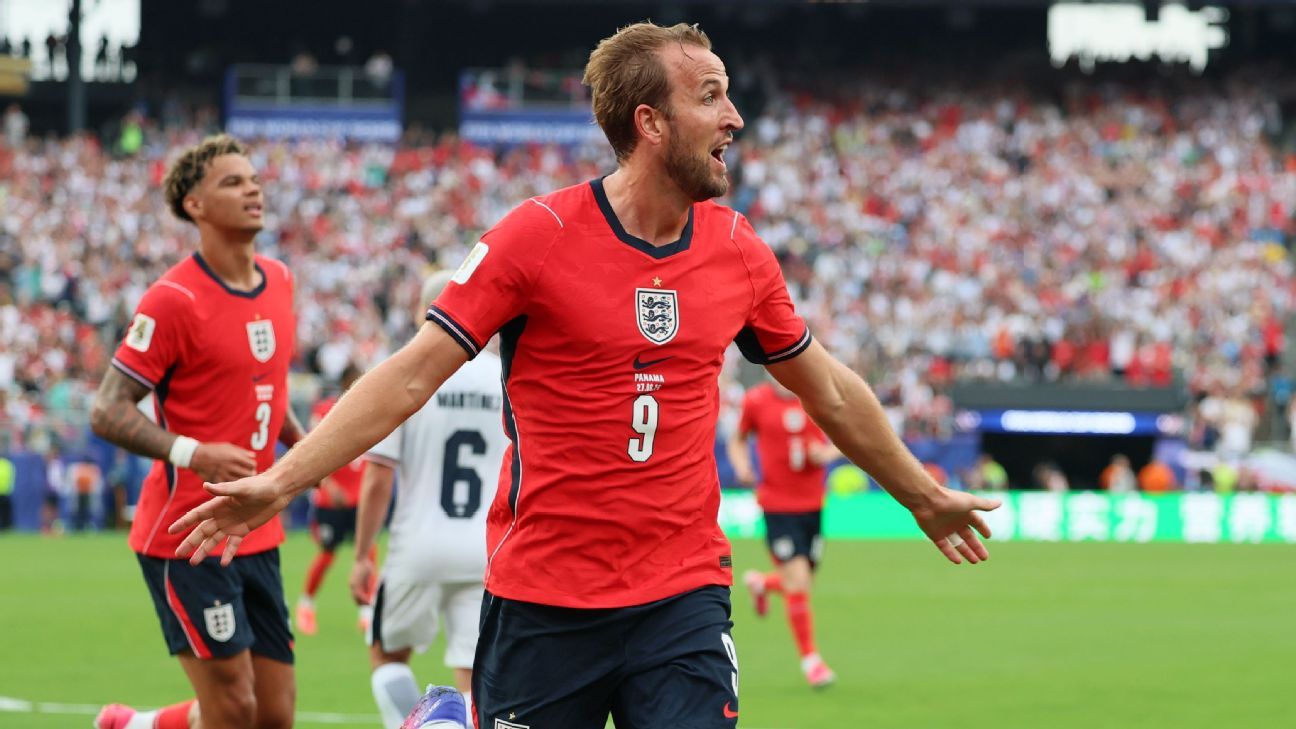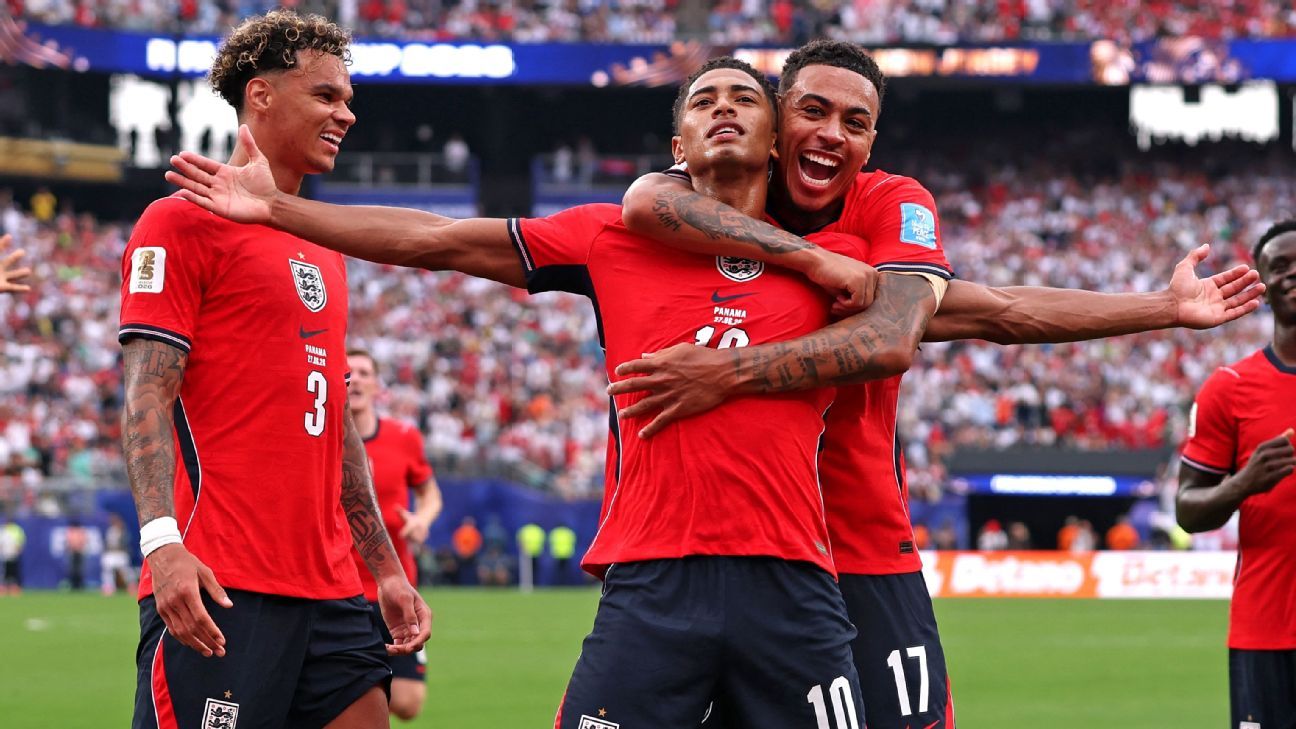
England got the result. They got top spot. They got the easier side of the draw. What they did not get — not even close — was a performance that made anyone watching feel remotely confident about what comes next.
A 2-0 win over Panama. Group L won. Knockout stage secured on the favourable side of the bracket. On paper, England's evening at the 2026 World Cup ticked every box that mattered. Off the paper — in the actual football that happened — it was a different story entirely.
The first half was the kind of football that makes you check your phone, then feel guilty about it, then check it again. Few clear-cut chances, limited urgency, and a Panama side who were never going to win this group but made England work considerably harder than a team of England's supposed quality should allow. The second half brought the goals and the three points, but it did not bring the clarity that knockout football demands.
This is the England paradox that resurfaces every tournament: the squad is talented enough to beat the teams they should beat, and just uninspiring enough to make you wonder whether they can beat the teams they need to beat. Topping the group matters — it shapes the path, it avoids the nightmare draw — but it does not answer the question that has followed this side through every major tournament for the better part of a decade.
England's manager, whoever is currently holding that particular brief, will point to the clean sheet, the controlled result, the group winners' trophy. All fair. But the knockout rounds do not reward controlled mediocrity. They punish it, eventually, and usually in the most painful way imaginable.
England have been here before. They know what this feeling is. So do the fans watching at home — that specific mix of relief and dread that only England can produce.
They're through. The questions are too.
England got the result. They got top spot. They got the easier side of the draw. What they did not get — not even close — was a performance that made anyone watching feel remotely confident about what comes next.
Lähteet
ESPN FC
Flagsiden jutut ovat omaperäisiä, monista lähteistä syntetisoituja kirjoituksia. Mainitsemme jokaisen median, joka ruokki juttua.
Yön otteluiden poiminta, mitä siirtoikkunassa tapahtuu, ja yksi kolumni, josta toimituksen pöytä väitteli. Ei mainoksia. Ei vinkkejä. Ei operaattoreita.
Yksi klikkaus poistaa tilauksesta. Emme jaa sähköpostiosoitteita.
“Stays on World Cup — different angle, same beat.”
Harry Kane has done it. Forty years after Gary Lineker wrote his name into English football history at the 1986 World Cup in Mexico, Kane stepped past him at MetLife Stadium, New Jersey — becoming Eng
“Stays on World Cup — different angle, same beat.”
Harry Kane has done it. Forty years after Gary Lineker wrote his name into English football history at the 1986 World Cup in Mexico, Kane stepped past him at MetLife Stadium, New Jersey — becoming Eng

)