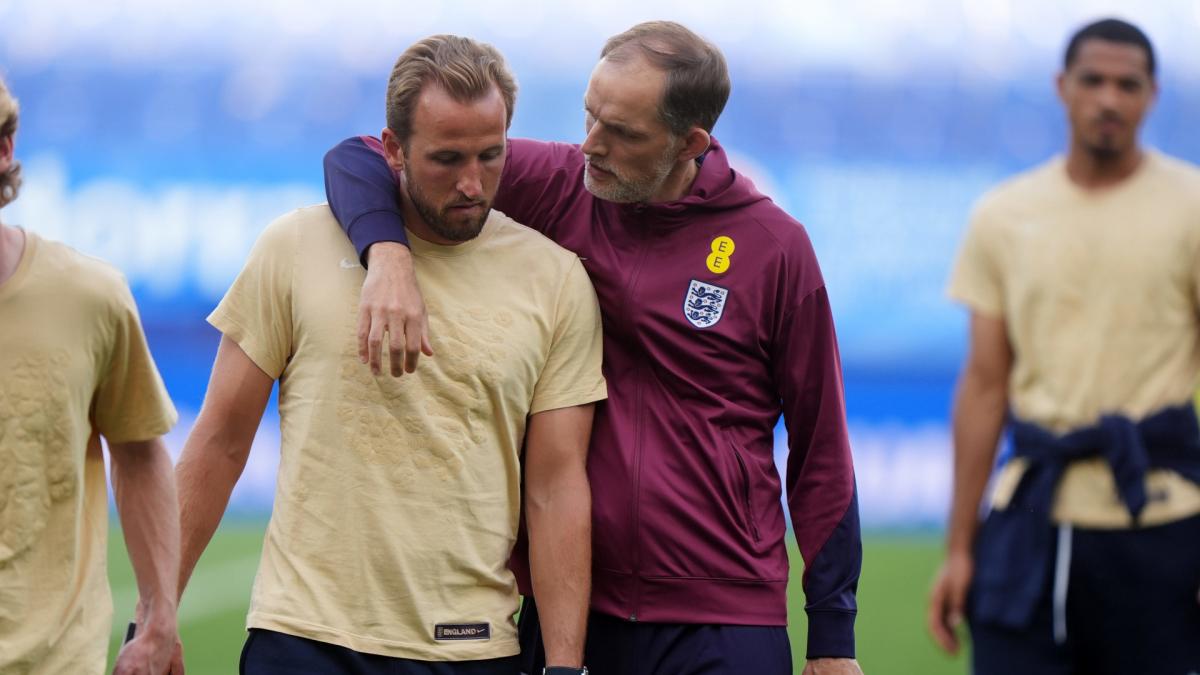
Thomas Tuchel stood in front of the cameras in Atlanta and did something rare for an England manager: he took the blame, clearly, without deflection. England had led, gone passive, and been beaten by Argentina in a World Cup semi-final that will hurt for years. Then, in the same breath, Tuchel said he had no regrets. Both things cannot be entirely true — and that tension is now the central question hanging over his England future.
England took the lead in Atlanta. That much is confirmed. What followed, according to Tuchel's own account, was a tactical retreat — a passivity that invited Argentina back into the game and ultimately cost England a place in the final. The specific details of the scoreline and the decisive moments remain unconfirmed from a single source, but the shape of the defeat is clear enough: England had their chance, sat back, and paid for it.
Argentina, for their part, advanced to the final where they will face Spain — a blockbuster conclusion to the tournament that England will now watch from home.
Tuchel's post-match position is worth sitting with for a moment. He publicly shouldered responsibility for the tactical passivity after England went ahead — that is a manager accepting that his instructions, his setup, his decisions cost his team. That takes a certain kind of honesty, and it matters.
But no regrets? That is a different claim entirely. Regret implies you would do something differently. If Tuchel genuinely has none, then the passivity was a conscious choice he stands by — which makes the acceptance of blame feel more like a press conference formality than a genuine reckoning. You can own a decision and still wish you'd made a different one. The two positions are not the same, and Tuchel appeared to hold both simultaneously.
He didn't look like a man who thought he'd got it wrong. He looked like a man who thought he'd got it right and lost anyway.
England's future under Tuchel is now, according to The Guardian, the subject of immediate speculation. That is the inevitable consequence of a semi-final exit in circumstances where the manager has publicly identified his own tactics as the reason for the defeat. The FA will have their own view on whether that honesty is a reason to keep faith or a reason to move on.
There is also the matter of the Argentina players drawing criticism for displaying a banner after the match — the specifics of which remain unconfirmed, but the optics of any post-match provocation in a game of this magnitude will not have gone unnoticed in the England camp or beyond.
Argentina are in the final. Spain are waiting. England are on a plane home, and their manager is explaining why he has no regrets about the thing he says was his fault.
Thomas Tuchel stood in front of the cameras in Atlanta and did something rare for an England manager: he took the blame, clearly, without deflection.
Lähteet
The Guardian — Football
Flagsiden jutut ovat omaperäisiä, monista lähteistä syntetisoituja kirjoituksia. Mainitsemme jokaisen median, joka ruokki juttua.
Yön otteluiden poiminta, mitä siirtoikkunassa tapahtuu, ja yksi kolumni, josta toimituksen pöytä väitteli. Ei mainoksia. Ei vinkkejä. Ei operaattoreita.
Yksi klikkaus poistaa tilauksesta. Emme jaa sähköpostiosoitteita.
“Stays on World Cup — different angle, same beat.”
 MAAJOUKKUEET
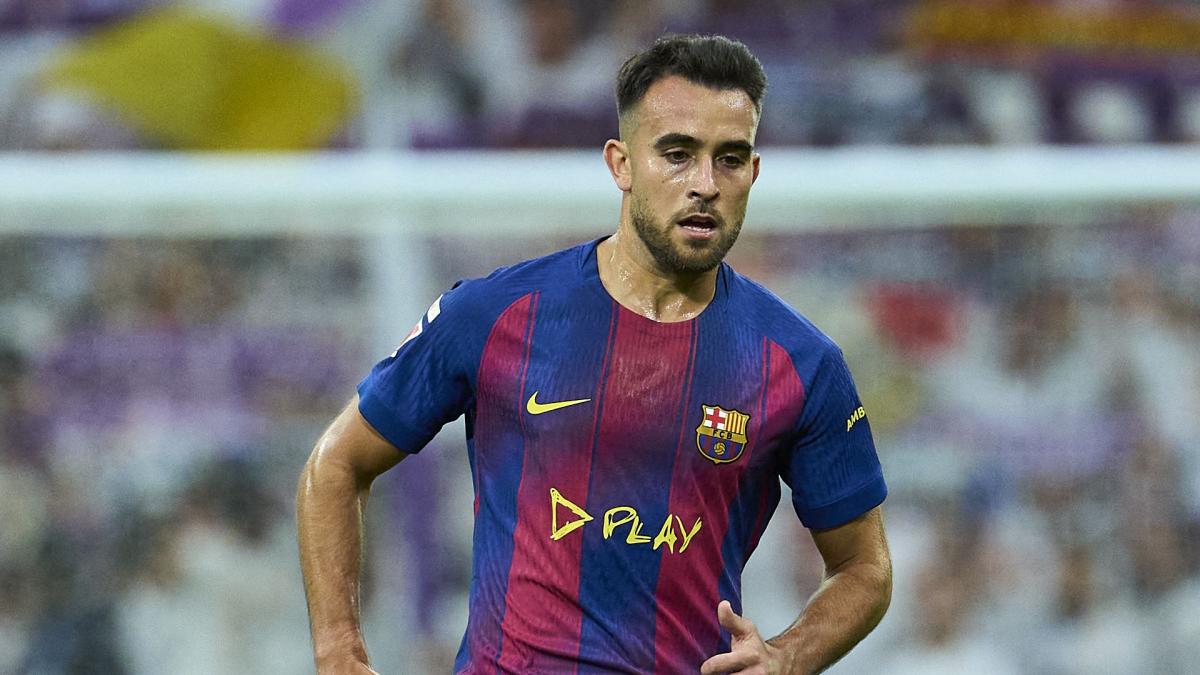
Spain beat France in the World Cup 2026 semi-final and barely had time to catch their breath before the next story started writing itself — Eric Garcia, in the mixed zone, in a heated exchange with an
“Stays on World Cup — different angle, same beat.”
MAAJOUKKUEETSpain beat France in the World Cup 2026 semi-final and barely had time to catch their breath before the next story started writing itself — Eric Garcia, in the mixed zone, in a heated exchange with an