
 CRY1
CRY1 MNC4
MNC4 ACH2
ACH2 VIB3
VIB3 ALA1
ALA1 VIL0
VIL0 RAC3
RAC3 ELC2
ELC2 MUN5
MUN5 VFB1
VFB1 LIV
LIV NFO
NFO BOU
BOU EVE
EVE COV
COV HUL
HUL TOT
TOT NEW
NEW CHE
CHE BHA
BHA LEE
LEE BRE
BRE SUN
SUN FUL
FUL MAN
MAN IPS
IPS BKH
BKH VAS
VAS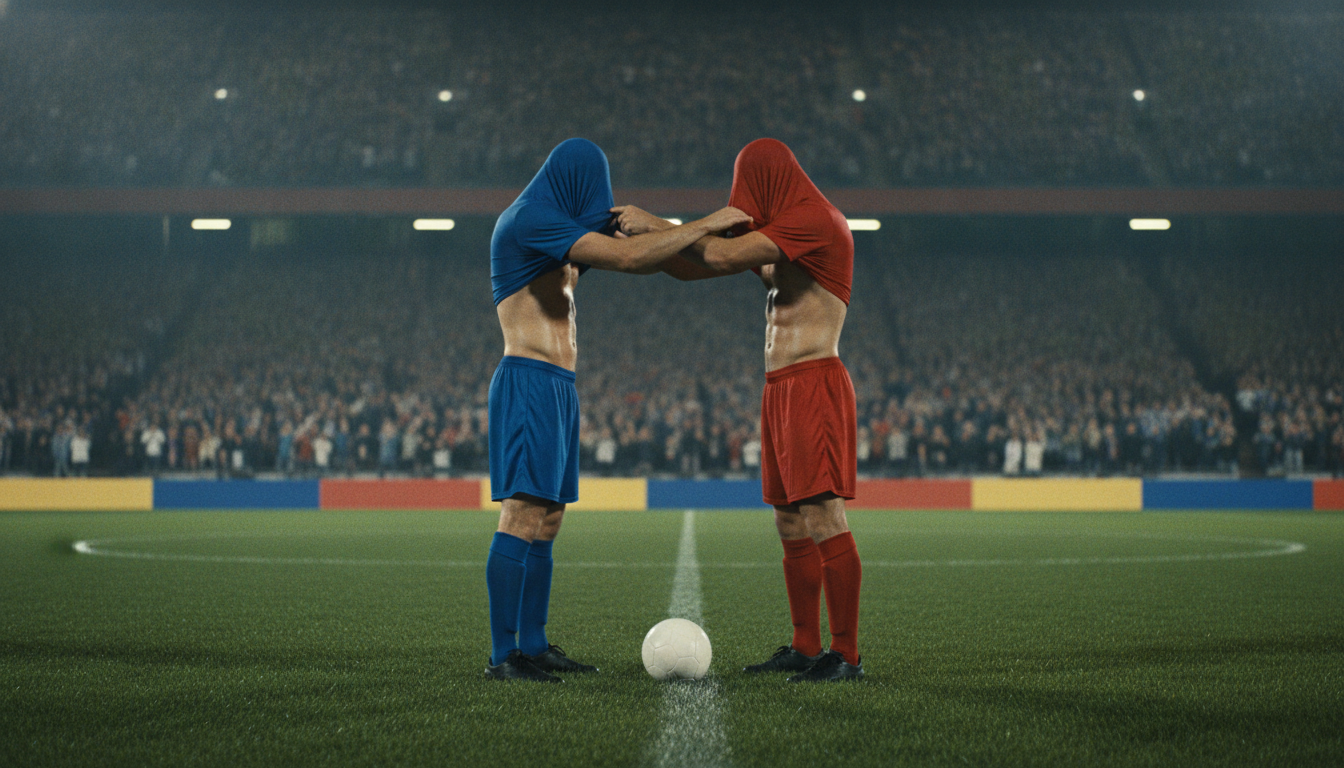
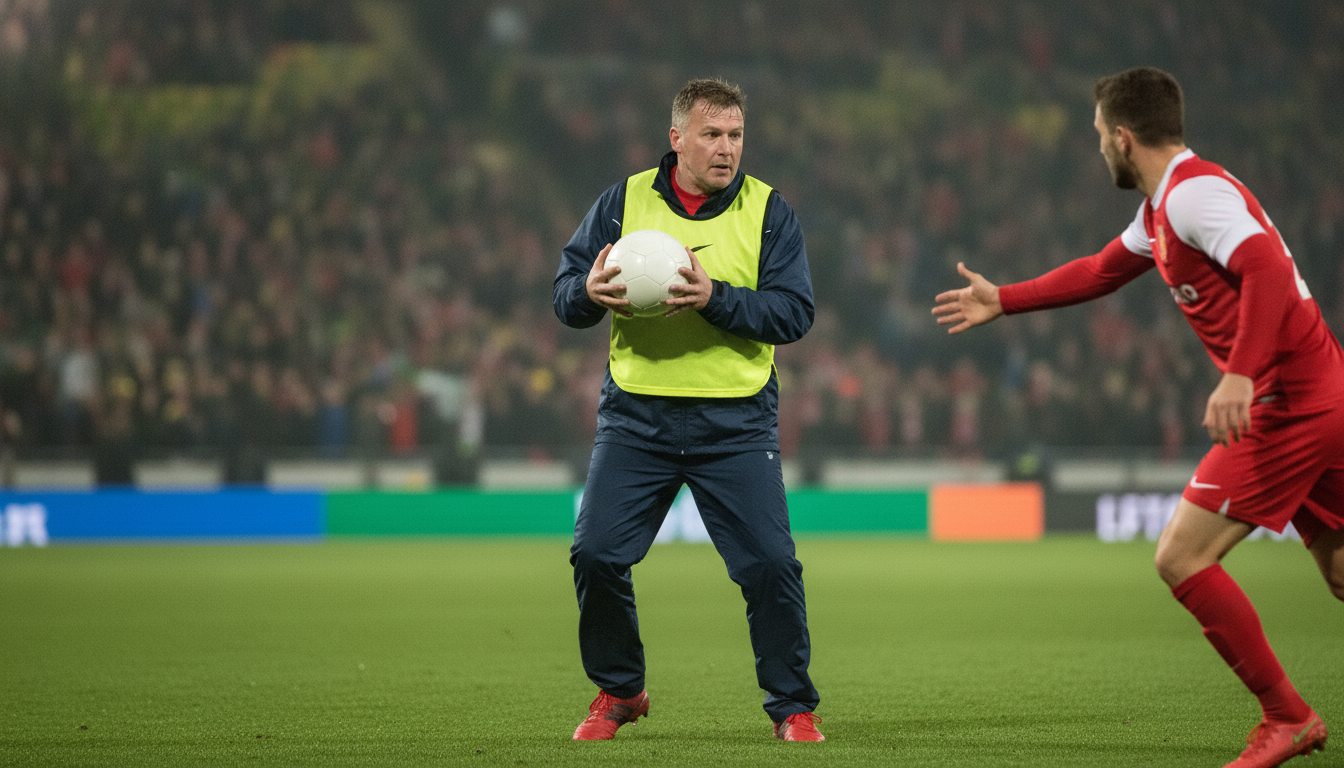
Why do football players swap shirts after a match?
Why do football players swap shirts after a match?
The final whistle blows, and before the handshakes are done, two players are already pulling their shirts over their heads. Here is what is actually going on.

The moment always looks the same. Two players seek each other out in the chaos after the final whistle, one tugs his shirt off and hands it over, the other does the same, and they walk away holding a damp piece of fabric that belonged to someone they were trying to beat ninety minutes ago.
The short answer is respect. Swapping shirts is a way of saying, in a language that needs no translation, that you rate the person you just played against. It is a gesture between professionals who understand what the other went through to get on that pitch.
But respect alone does not explain why players actually want to keep the shirts. The physical object matters. A shirt from a famous opponent, or from a match that meant something — a cup run, a first European night, a game against a childhood hero — becomes a memento in a way that a photograph does not. You can hang it on a wall. It is proof you were there, that you shared a pitch with that person.
For a younger or less established player, getting the shirt of someone they grew up watching can feel like a career landmark. The swap is mutual in form but not always equal in meaning. One player might hand his shirt over almost as a courtesy; the other might be holding something they will keep for the rest of their life.
Personal connections shape it too. Players often seek out former teammates or international colleagues they do not get to see often. The swap becomes a small reunion ritual, a way of marking the fact that football keeps throwing old friends together on opposite sides.
The timing — full time rather than during the match — is not accidental. The competitive part is finished. Whatever happened in the ninety minutes, the result is settled, and the gesture sits outside all of that. Doing it mid-match would be strange precisely because the match would still matter. Doing it at the end costs nothing except the shirt itself.
The one thing that complicates the picture is that not every swap carries the same weight. Sometimes it is genuine admiration. Sometimes it is habit, or social obligation — you played against someone, they asked, it would be awkward to say no. Players who have been in the game long enough accumulate more shirts than they know what to do with. The gesture that feels like a milestone to one player can feel like a routine exchange to the other, and both things can be true at the same time.
Päivän jalkapallo inboxiisi klo 7. Ei mitään muuta.
Yön otteluiden poiminta, mitä siirtoikkunassa tapahtuu, ja yksi kolumni, josta toimituksen pöytä väitteli. Ei mainoksia. Ei vinkkejä. Ei operaattoreita.
Yksi klikkaus poistaa tilauksesta. Emme jaa sähköpostiosoitteita.
Comments
Loading comments…