Every few months, a name surfaces on the timeline: a player born in one country, raised in another, suddenly eligible for a third — and the debate kicks off all over again. FIFA's rules on switching international allegiance are more nuanced than most fans realise, and BBC Sport's Ask Me Anything team has published a breakdown of exactly how they work. Here's what you need to know.
A player can only represent one senior national team at a time — that much is simple. The complications start when you ask how they got there, and whether they can ever leave.
FIFA's eligibility framework allows a player to switch allegiance under specific conditions, according to BBC Sport's explainer. The key criteria: the player must not have appeared in a competitive international for their original association after turning 21, and they must hold genuine nationality of the country they wish to represent — through birth, parentage, or having lived there for at least five consecutive years.
This is where most cases get complicated. A friendly cap before the age of 21 does not automatically lock a player in — but a competitive one does. That single distinction has shaped careers. Players who appeared in World Cup qualifiers or Nations League matches for one country before their 21st birthday have found themselves ineligible to switch, even when their personal circumstances changed significantly.
FIFA also introduced a one-time switch provision in 2020, which broadened the window slightly — but it is not a free pass. The switch still requires formal approval from FIFA's Players' Status department, and the player must meet the residency or nationality criteria on the other side.
The topic resurfaces constantly because modern football produces a constant stream of players with genuinely complex backgrounds — dual nationals, players who moved countries as children, academy products who were fast-tracked into youth setups before fully committing. The system was not built for a world where a teenager can represent a country's Under-20s on a Tuesday and receive a senior call-up from a different federation the following week.
High-profile cases have involved players across Europe and Africa in recent windows, with federations — particularly in the African game — actively recruiting players who hold dual nationality through diaspora connections. It is a legitimate and increasingly common pathway, not a loophole.
FIFA's rules are clear on paper. The grey area is enforcement — specifically, the speed of it. Applications can sit with FIFA's Players' Status department for weeks, which creates genuine problems around international windows and squad announcement deadlines. A player can be in limbo: eligible in theory, unconfirmed in practice, unavailable to either side.
The BBC Sport explainer is a useful primer, and the timing — published mid-May, with the summer international window approaching — is not accidental. Expect at least one high-profile eligibility case to land before the year is out. It always does.
Every few months, a name surfaces on the timeline: a player born in one country, raised in another, suddenly eligible for a third — and the debate kicks off all over again.
Sources
BBC Sport — Football
Les articles Flagside sont des synthèses originales tirées de plusieurs sources. On cite chaque outlet qui a alimenté le papier.
Sélection des matchs de la nuit, ce que fait le mercato, et le papier qu'il faut lire aujourd'hui. Pas de pubs. Pas de pronostics. Pas d'opérateurs.
Désinscription en un clic. On ne partage pas les emails.
“Stays on Internationals — different angle, same beat.”
 SÉLECTIONS
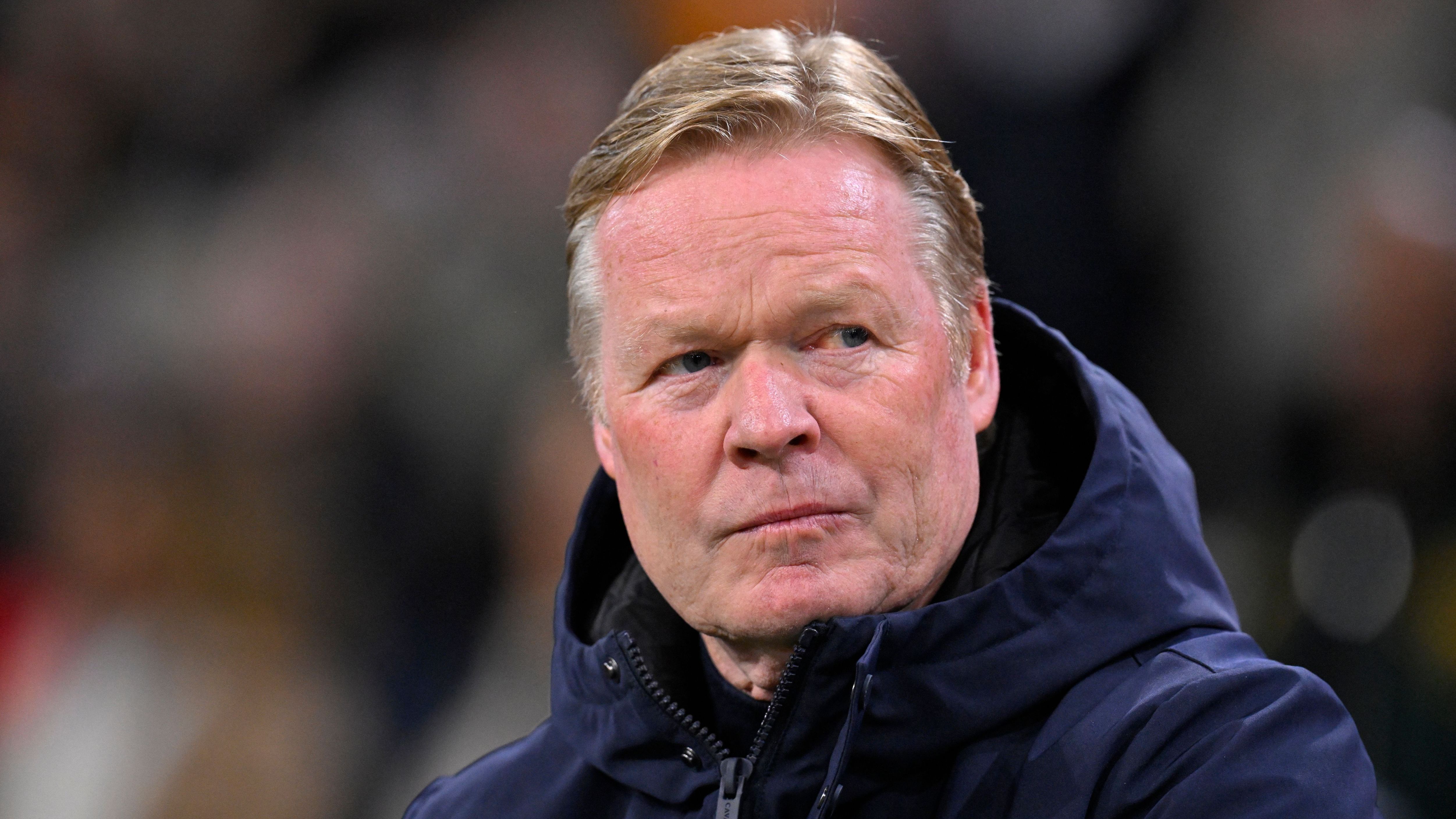
Ronald Koeman heeft besloten de WK-selectie van het Nederlands elftal niet op maandag 25 mei bekend te maken, maar op woensdag 27 mei. De KNVB bevestigde de verschuiving via een persbericht — zonder v
“Stays on Internationals — different angle, same beat.”
SÉLECTIONSRonald Koeman heeft besloten de WK-selectie van het Nederlands elftal niet op maandag 25 mei bekend te maken, maar op woensdag 27 mei. De KNVB bevestigde de verschuiving via een persbericht — zonder v