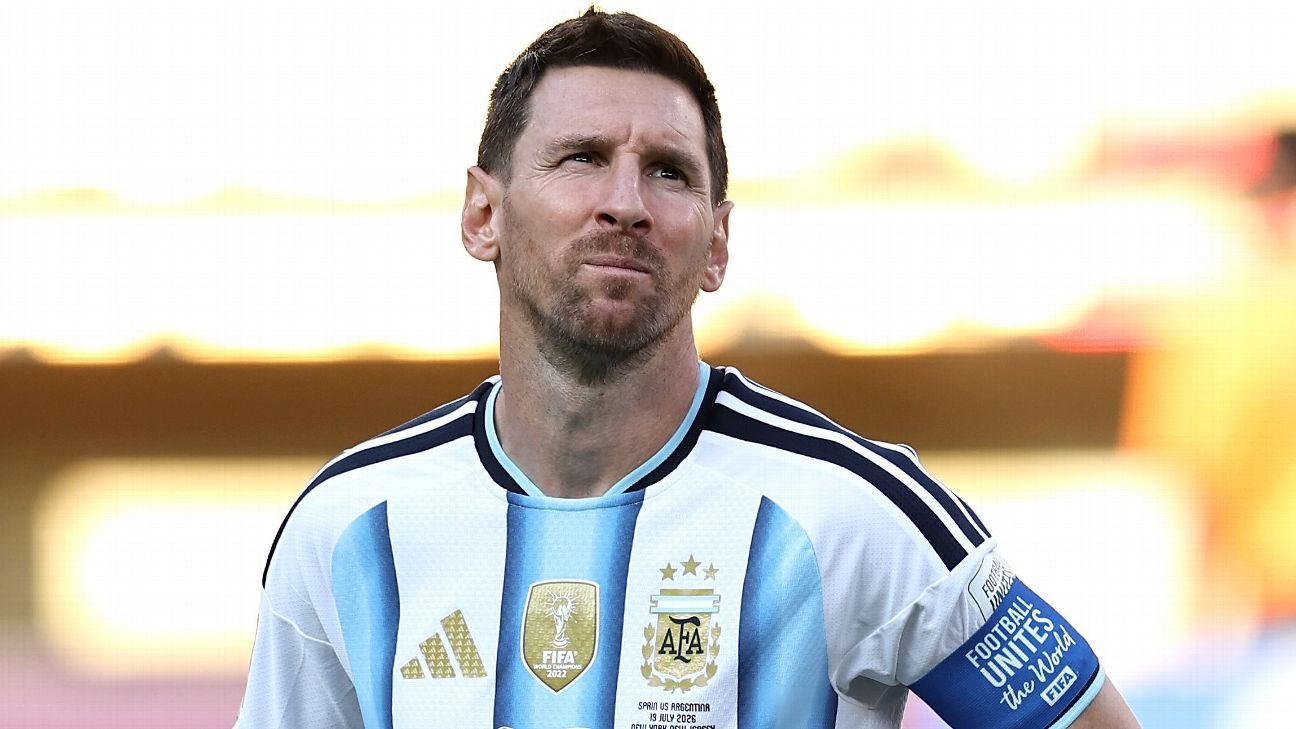
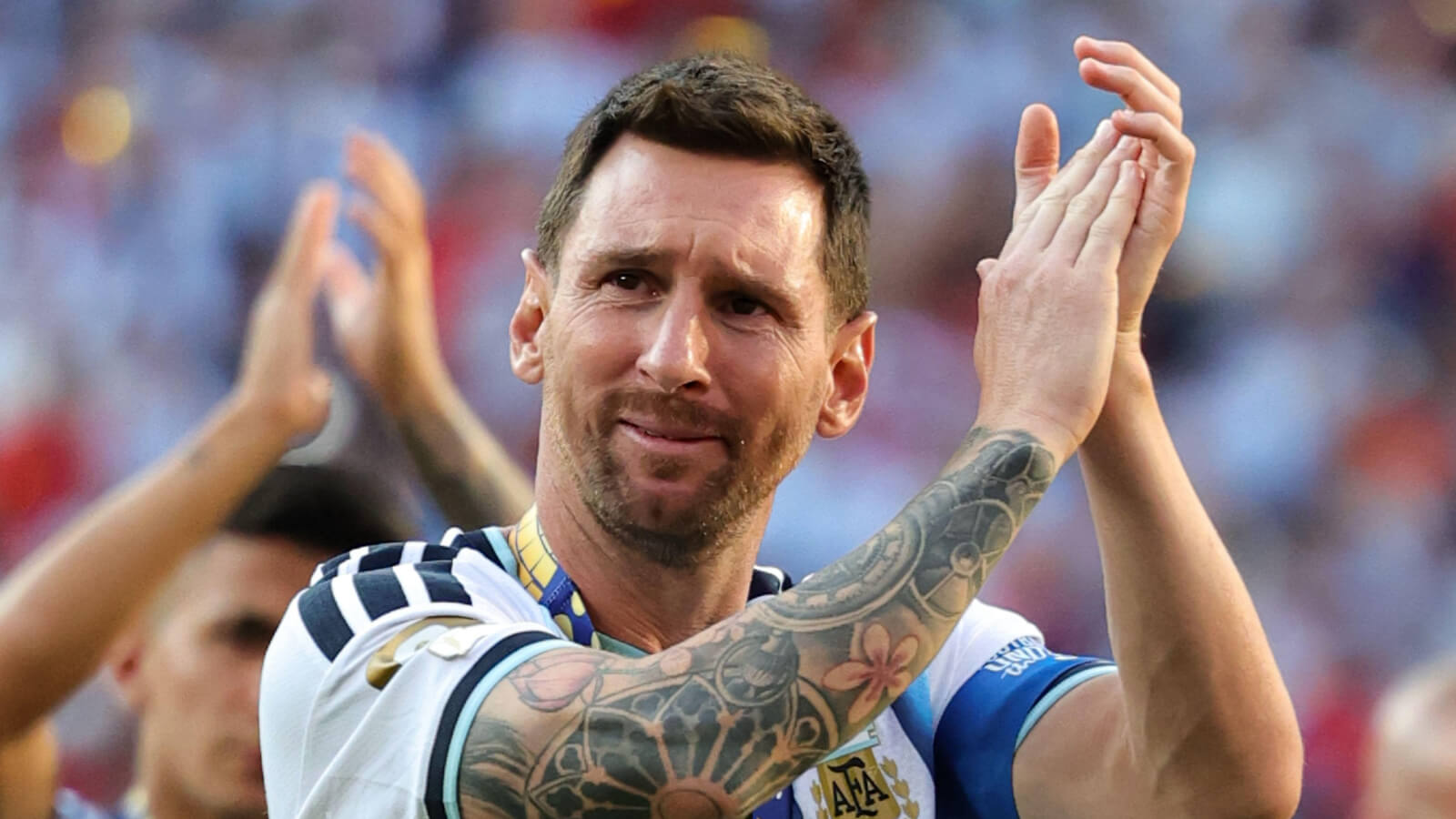
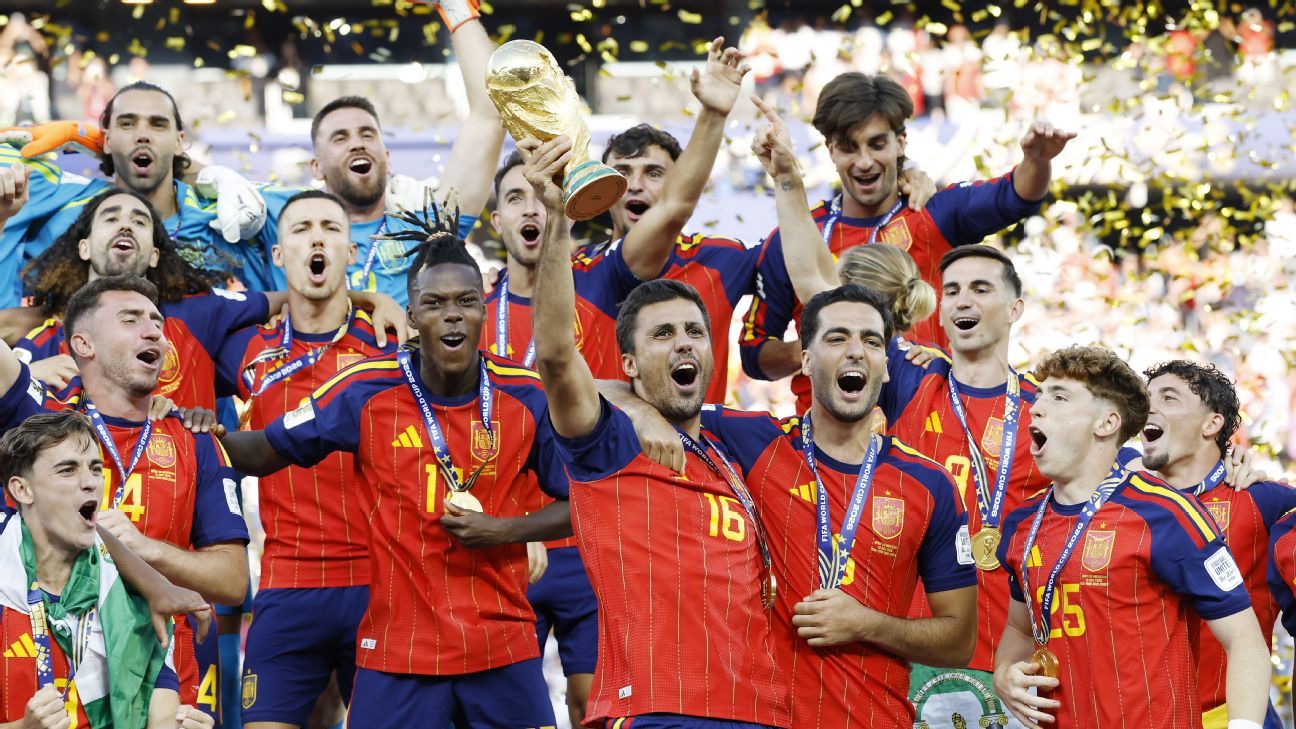
Spain are world champions. Argentina are not. And yet, on the morning after the 2026 World Cup final, the Argentine press sat down and wrote something that felt less like a post-mortem and more like a love letter. Lionel Scaloni's side lost 1-0 — outplayed, according to their own media — and the response from Buenos Aires was, essentially: we are proud of every single one of them. That tells you something about what this tournament meant, and what this team has become.
Argentina came into this final as defending champions — the side that ended a 36-year wait in Qatar, the side built around the greatest player the sport has ever produced. Spain, though, were the better team on the day. A 1-0 scoreline that, by all accounts, was a fair reflection. No excuses offered, none needed.
For Lionel Messi, this was almost certainly his last World Cup appearance. He arrived in 2026 as the man who had finally won the one thing that had eluded him — and he leaves it having gone further than almost anyone expected, right to the final, right to the last possible moment. The cruelty is that the ending wasn't his to write.
Clarín and La Nación — the two biggest voices in Argentine football journalism — both led with praise rather than grief, according to The Guardian. The word used in coverage was "beyond reproach". Scaloni's squad gave everything. Spain were simply better. That's a hard thing to say, and a harder thing to mean, but Argentine football culture has earned the right to say it after 2022.
There's something in that reaction worth sitting with. This is a country that has historically demanded perfection from its footballers — that has, at various points, turned on Messi himself for not delivering at a World Cup. The grace with which this defeat has been received is its own kind of transformation.
He didn't need 2026 to validate anything. The 2022 trophy in Qatar already did that — the tears, the final against France, the penalty shootout, the moment he lifted the cup. That was the ending the story demanded. This, then, is the epilogue: one more run, one more final, one more chance that didn't quite come off.
Legacies don't shrink because of a 1-0 defeat in a World Cup final. If anything, the fact that he was still here — still relevant enough to reach the last match of the last tournament — adds a line to the story rather than crossing one out.
Spain celebrate. Argentina reflect. And somewhere in the middle of all of it, Messi walks off a World Cup pitch for the last time. He didn't look like a man who needed anyone's consolation.
Spain are world champions. Argentina are not. And yet, on the morning after the 2026 World Cup final, the Argentine press sat down and wrote something that felt less like a post-mortem and more like a love letter.
Sources
The Guardian — Football
Flagside articles are original write-ups synthesised from multiple sources. We cite every outlet that fed into the piece.
Pick of the night's matches, what the transfer window's doing, and the one column you should read today. No ads. No tips. No operators.
One-click unsubscribe. We do not share emails.
“Stays on World Cup — different angle, same beat.”
Ferran Torres came on as a substitute and left as the man who won Spain the World Cup. His smashed finish in the 106th minute at MetLife Stadium settled a bad-tempered, one-sided final against Argenti
“Stays on World Cup — different angle, same beat.”
Ferran Torres came on as a substitute and left as the man who won Spain the World Cup. His smashed finish in the 106th minute at MetLife Stadium settled a bad-tempered, one-sided final against Argenti