

Kenya's match-fixing law: what changes now
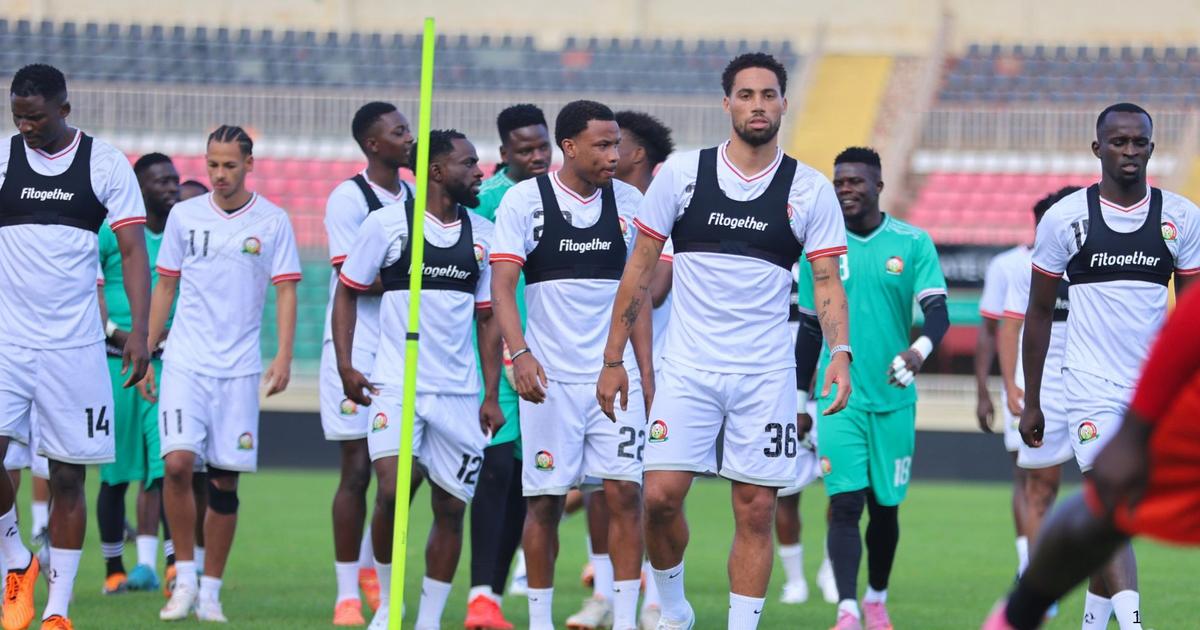
Photo: Capital Sports
What the Bill does
Before this legislation, match-fixing in Kenya existed in a grey zone where football's governing bodies could sanction, but the state largely could not prosecute. The Sports (Amendment) Bill, 2026 closes that gap. According to Capital Sports, the National Assembly's passage of the Bill brings match-fixing squarely into criminal law, meaning players, officials, or third parties found to have manipulated results face prosecution rather than just bans or fines from the Football Kenya Federation.
The specific penalties written into the Bill have not yet been detailed in available reporting, but the principle is clear: the law now treats match-fixing as a crime against the public, not merely a disciplinary matter for sport to handle internally.
What it means for the FKF Premier League
The FKF Premier League has faced integrity questions for years, with suspicions around certain results never quite going away. Criminal legislation changes the calculus for anyone tempted to fix a game. A federation ban is one thing; a criminal record is another. The deterrent effect alone is worth something, even before a single prosecution is brought.
It also gives Kenya a framework that aligns more closely with international standards, which matters for FIFA and CAF compliance. Governing bodies at both continental and global level have pushed member associations to ensure domestic law supports integrity mechanisms, not just internal regulations.
What still needs to happen
Passage through the National Assembly is not the final step. Under Kenya's standard legislative process, the Bill would ordinarily require Senate consideration and presidential assent before it becomes enforceable law. None of that has been confirmed in current reporting, so the timeline to full enactment remains open. The Assembly vote is the loudest signal yet that political will exists, but the Bill is not yet law in the fullest sense.
What comes next, practically, is just as important: enforcement capacity, clear reporting channels for players and officials who suspect approaches, and coordination between the FKF and prosecution authorities. Legislation without infrastructure is a headline, not a solution. Kenya now has the headline. The infrastructure is the work that follows.
Sources1 source
We name and link every outlet this article draws on, and rewrite their reporting in our own words rather than reprinting it.
More on Other football
See more

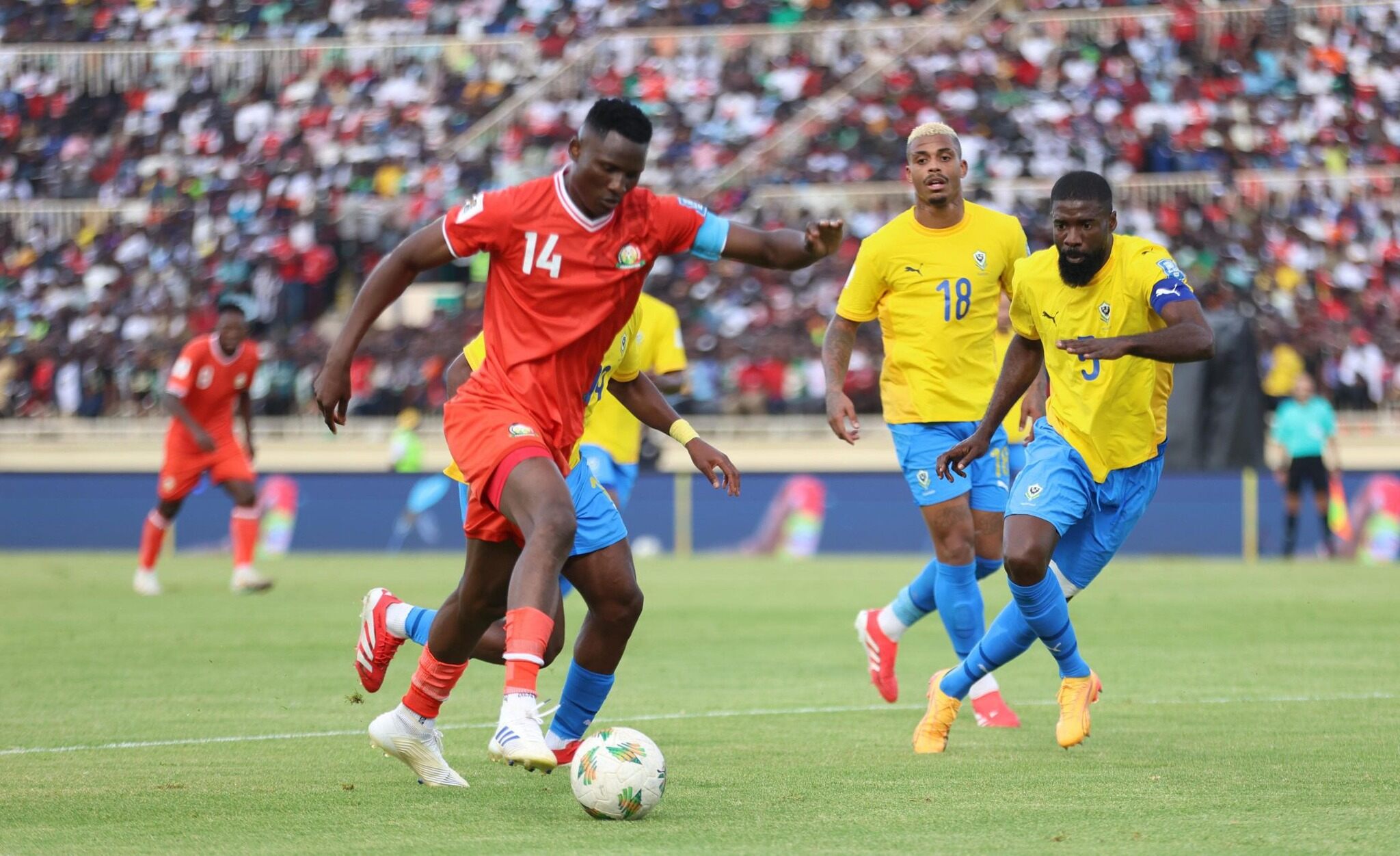


“Another angle on the same week.”
 MORE
Nairobi's cheapest Bayern-Ajax tickets are gone
Nairobi wanted in on this one, and fast: the cheapest tickets for Bayern Munich's exhibition match against Ajax Amsterdam have already sold out, according to Capital Sports, with only the higher-priced tiers still up for…
The day's football, in your inbox at 7 AM. Nothing else.
Pick of the night's matches, what the transfer window's doing, and the one column you should read today. No ads. No tips. No operators.
One-click unsubscribe. We do not share emails.
Comments
Loading comments…