
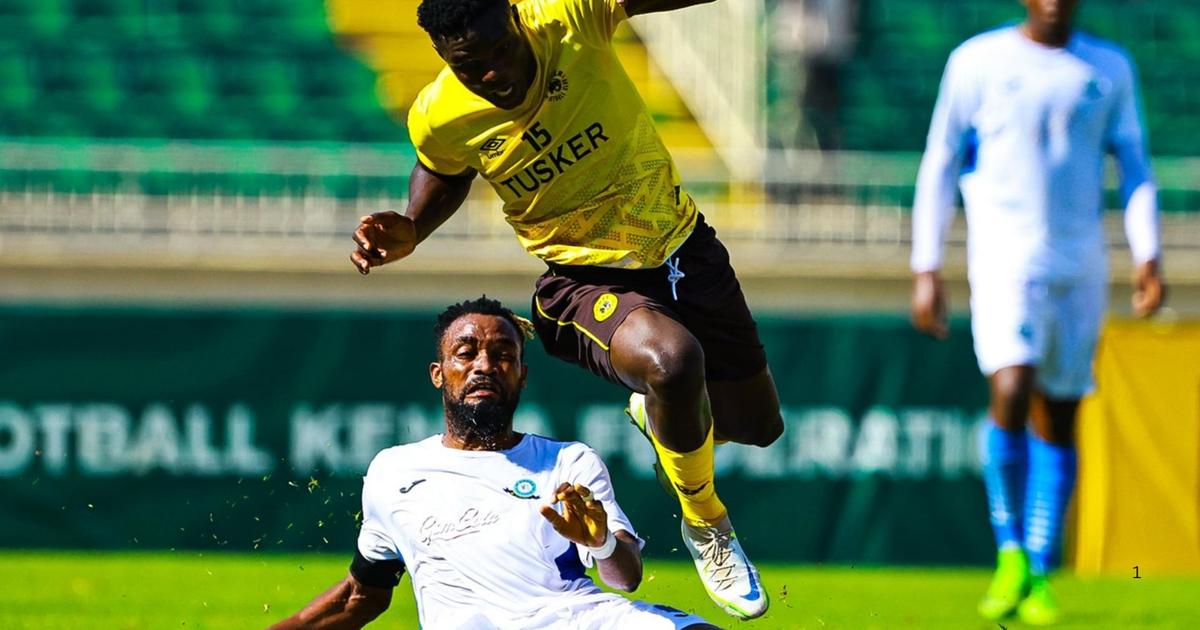
Photo: Capital Sports
Kenya's U-17 setup is in actual shambles
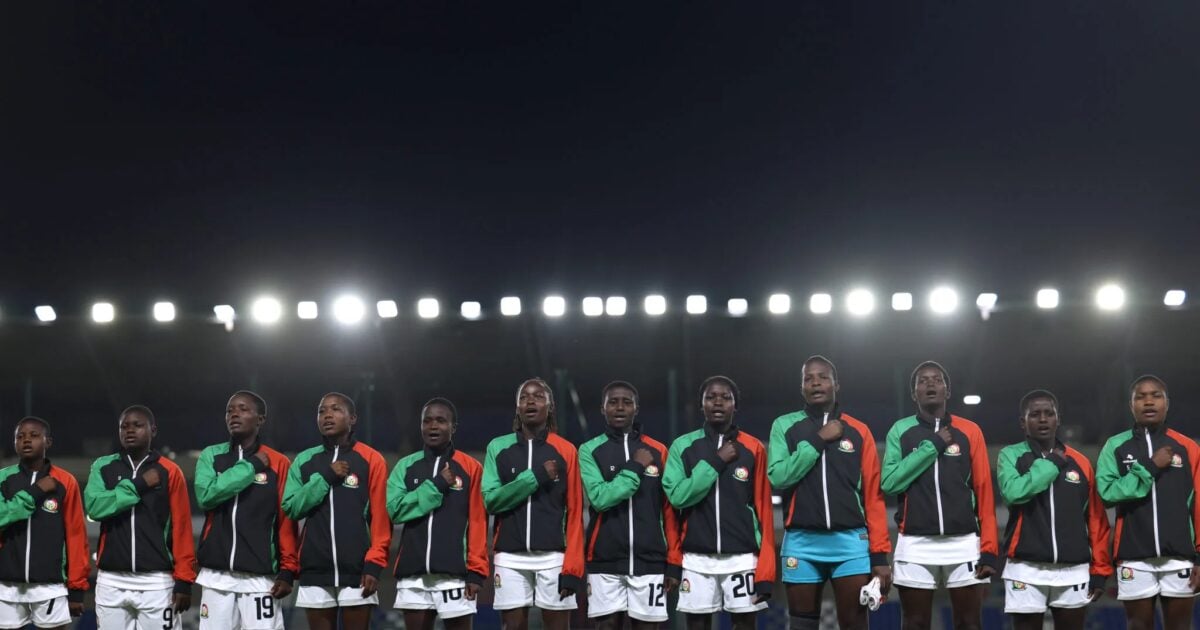
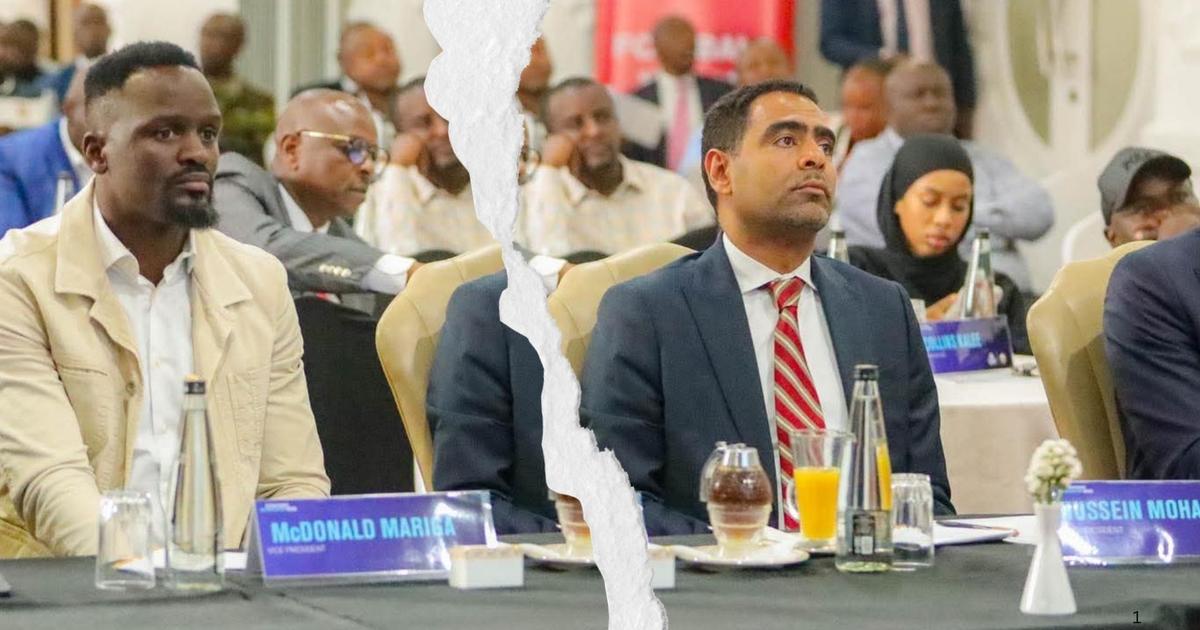
Kenya's Under-17s went to the World Cup with a point to prove and came back with a coaching exit and a federation president publicly admitting the whole pipeline needs fixing. Coach Di Maria left the squad mid-tournament, by most accounts leaving the team in disarray, and FKF president Hussein Mohammed has since come out to address the fallout.
Written with AI and checked automatically before publishing. How we work
Youth World Cups are supposed to be the shop window. A chance for a federation to show it can actually produce something beyond raw talent scattered across academies and hope. Kenya's Under-17s didn't get that story. They got a tournament overshadowed by their own coach walking away before it finished, and a squad left to navigate the rest of it without the man who was supposed to be steering them.
Details on exactly why Di Maria departed haven't been fully laid out, and Flagside isn't going to pretend otherwise. What's clear from Capital Sports' reporting is that the exit came mid-World Cup and that it left the team in what's been described as shambles, significant enough to force FKF president Hussein Mohammed to address it publicly rather than let it sit. The reasons behind Di Maria's exit remain unconfirmed, and nothing here should be read as a verdict on his conduct.
An admission, not a defence
What stands out here isn't the departure itself, coaches leave jobs all the time. It's that Mohammed didn't try to spin it. His response leaned into acknowledging that the federation has developmental work to do, rather than pretending this was an isolated hiccup with one coach on one trip.
That matters because World Cup campaigns for youth sides are rarely about the three or four games played. They're about whether the structure behind the team can hold up under pressure when something goes wrong, and by most accounts, it didn't here. A squad losing its coach mid-tournament isn't just bad luck, it's a stress test that, according to Capital Sports, the federation failed in real time, in front of the only global audience Kenyan youth football gets every few years.
What catching up actually needs to mean
Mohammed's comments point at systemic gaps rather than a single bad hire, and that's the more useful read for anyone trying to understand what happens next. Youth development pipelines that work, whether in Senegal, Nigeria or further afield, tend to share the basics: continuity of coaching staff, proper technical oversight from the federation during tournaments, and a structure that doesn't rely on one man staying in post for the whole campaign to go smoothly.
Kenya's Under-17s didn't have that cushion this time. When Di Maria left, there wasn't apparently enough underneath him to absorb the shock without the team visibly suffering for it, according to Capital Sports. That's the part FKF now has to answer for beyond a press statement, because a World Cup shambles at Under-17 level is exactly the kind of story that follows a federation into the next cycle if nothing changes.
For now, the squad's World Cup experience ends as a cautionary tale rather than a breakthrough. Hussein Mohammed has said the right things about catching up. Whether that turns into actual investment in coaching continuity and tournament structure is the only thing that will decide if this World Cup was a wake-up call or just another entry on a growing list.
Will FKF actually fix the youth pipeline, or is this just another press statement?
Sources1 source
We name and link every outlet this article draws on, and rewrite their reporting in our own words rather than reprinting it.
The day's football, in your inbox at 7 AM. Nothing else.
Pick of the night's matches, what the transfer window's doing, and the one column you should read today. No ads. No tips. No operators.
One-click unsubscribe. We do not share emails.
Comments
Loading comments…