This piece is based on a single post-tournament analysis published by The Guardian. Several specific facts — the Japan vs Brazil match stage and result, the identity of Asia's two debutant nations, and the nature of Iran's grievance during the tournament — could not be independently verified from the available excerpt. Flagside is holding this article from publication until a second corroborating source is confirmed and the factual gaps below are resolved. The draft is preserved here for editorial review.
This draft does not currently meet Flagside's two-source threshold for publication. The following specific claims require confirmation from a second independent outlet (Tier 2 or Tier 3) or an official source before the piece goes live:
---
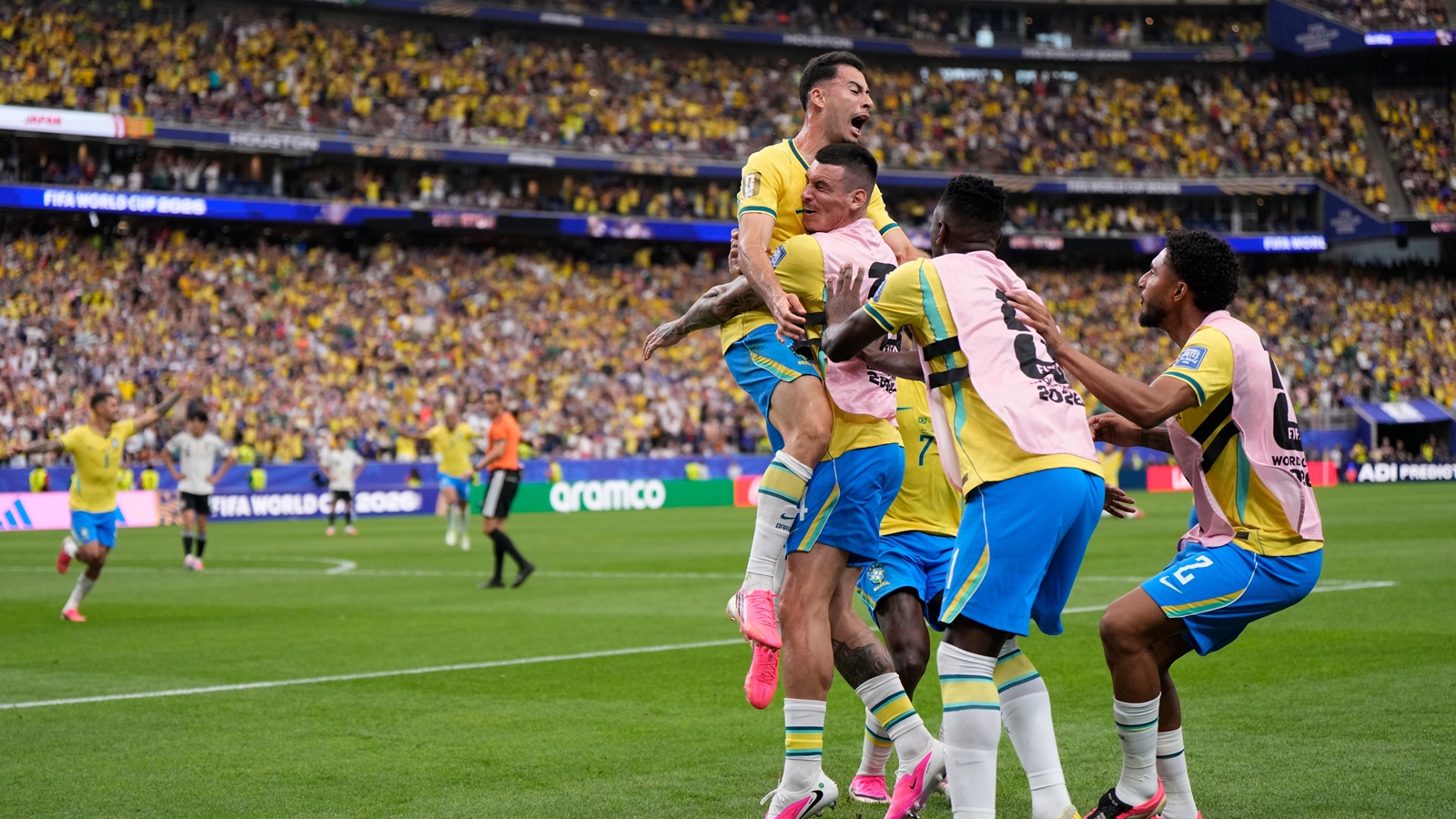
The details of exactly how far Japan progressed, and at what stage they faced Brazil, remain to be confirmed — The Guardian's full post-tournament analysis covers the specifics. What is clear is that the match was close enough to be described as a near-upset, and that framing alone is significant. Brazil have not been eliminated by an Asian side at a World Cup. Japan getting within reach of that moment is not a footnote. It is the entire argument for what Asian football can become.
Japan have been building toward this for years — technically disciplined, tactically literate, with a generation of players forged in Europe's top leagues rather than the domestic J-League alone. That pipeline is working. The near-miss against Brazil is proof of concept, not a consolation prize.
The Guardian's analysis is pointed in its criticism of Saudi Arabia and South Korea, framing both as underperformers relative to expectation. Saudi Arabia arrived at this tournament with momentum — their 2022 win over Argentina in Qatar was supposed to be a launchpad, not a ceiling. Whether that result turned out to be a peak rather than a foundation is now a live question for their football federation.
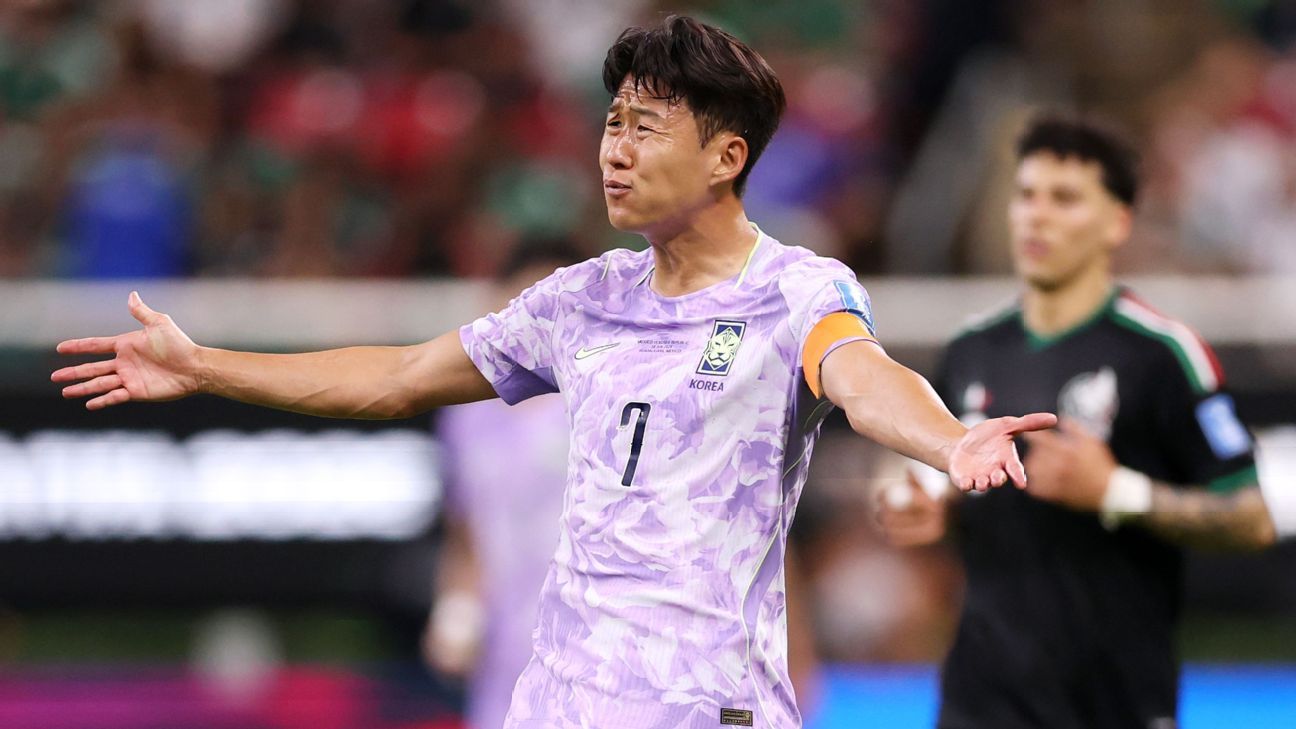
South Korea's situation carries its own weight. A nation with genuine continental pedigree, a history of deep World Cup runs, and a domestic league that has exported talent for decades — underperforming at a 48-team tournament, with more routes through the group stage than ever before, is difficult to explain away.
Saudi Arabia will host the 2034 World Cup. That context makes their 2026 showing more than just a bad tournament — it becomes a benchmark for how much work remains.
The Guardian's piece references Iran being treated unfairly during the tournament. The specific nature of that grievance is not confirmed in the available excerpt. This section will be updated or removed once the full source text is accessed and a second outlet is consulted. Publishing a vague grievance attached to a named nation is not editorially acceptable.
Two Asian nations made their World Cup debuts at this expanded edition — a genuine landmark for the continent's football development, whatever the results. Their names must be confirmed and inserted here before this piece is published.
Asia has two World Cups on the horizon — 2030 and 2034 — and the pressure to develop is structural now, not just aspirational. Japan have shown the model: invest in technical development, send players abroad early, build a squad that can compete with South American heavyweights in knockout football. The rest of the continent's 2026 representatives need to look at that blueprint honestly.
One team nearly beat Brazil. That should be the floor, not the ceiling — and right now, for too many Asian nations, it still looks like the ceiling.
This piece is based on a single post-tournament analysis published by The Guardian. Several specific facts — the Japan vs Brazil match stage and result, the identity of Asia's two debutant nations, and the nature of…
Bronnen
The Guardian — Football
Flagside-artikelen zijn originele stukken samengesteld uit meerdere bronnen. We citeren elke outlet die in het stuk verwerkt is.
Hoogtepunten van de nacht, wat de transfermarkt doet, en het ene stuk dat je vandaag moet lezen. Geen ads. Geen tips. Geen operators.
Eenmalig afmelden. We delen je e-mailadres niet.
“Stays on World Cup — different angle, same beat.”
Son Heung-min has issued a public apology following South Korea's group-stage elimination from the 2026 World Cup, according to ESPN FC — and if you want to understand the pressure that comes with bei
“Stays on World Cup — different angle, same beat.”
Son Heung-min has issued a public apology following South Korea's group-stage elimination from the 2026 World Cup, according to ESPN FC — and if you want to understand the pressure that comes with bei