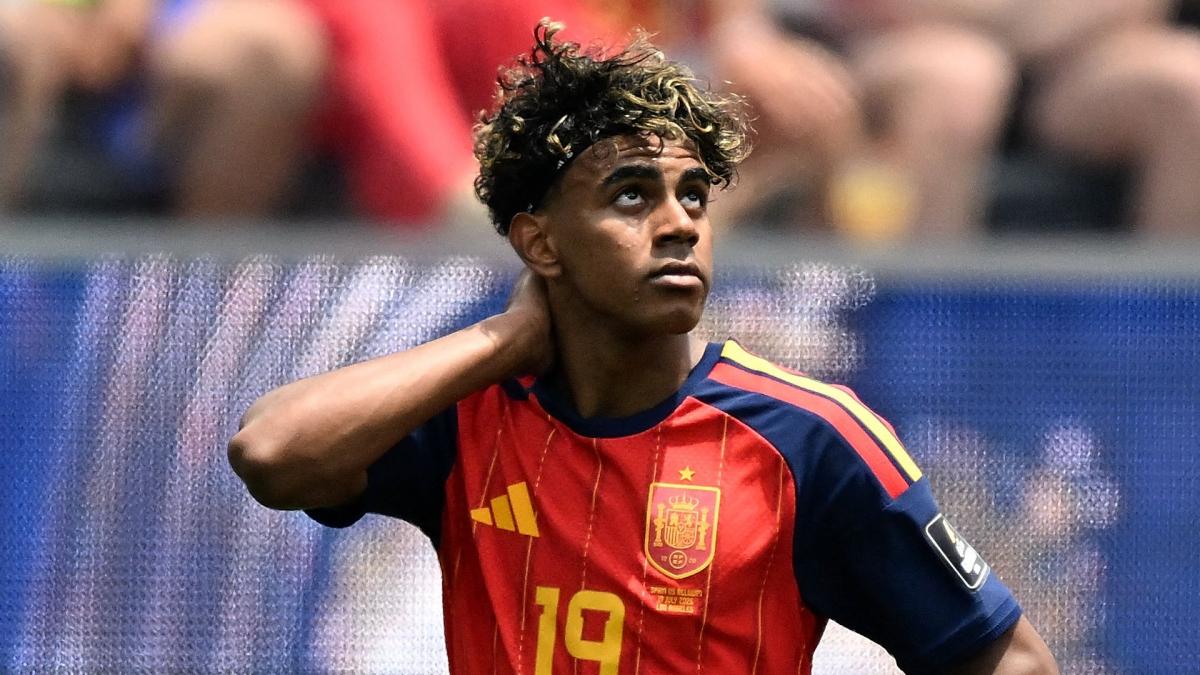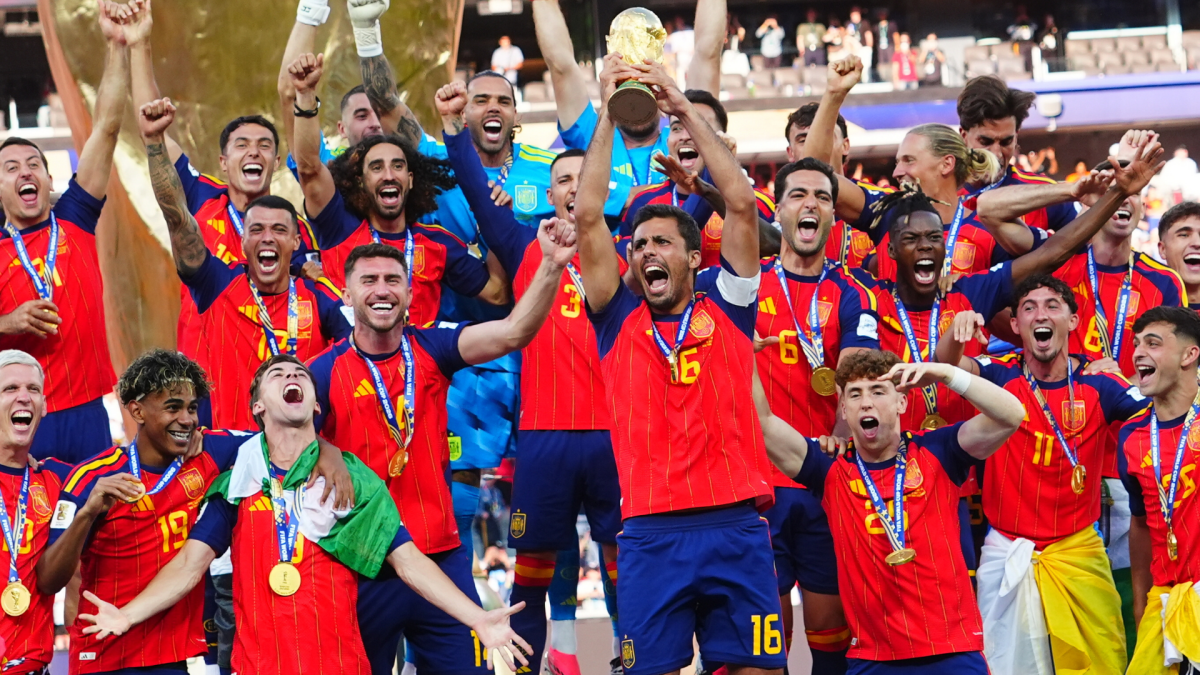
They came into this tournament as a team without a single undisputed superstar. They leave it as world champions. Spain defeated Argentina in the 2026 FIFA World Cup final on 19 July, completing a tournament in which they conceded just one goal — one — across the entire competition. In an era that spent the last month worshipping individuals, a collective quietly won everything.
One goal conceded. The whole tournament. Not one per game, not one per round — one, total, across every minute of football Spain played at the 2026 World Cup. That is the number that will follow this generation of Spanish players for the rest of their careers, and rightly so.
This was not a Spain side built around a single name you could put on a billboard. It was a team — eleven players who knew exactly where the other ten would be, every second, every press, every transition — and Argentina, with all their firepower and all their occasion, could not find a way through it when it mattered most.
Emi Martínez was not a bystander in this final. Argentina's goalkeeper — the man who made the 2022 World Cup feel like a one-man show in Qatar — was repeatedly called upon again, making save after save as Argentina searched for a way back into a match Spain controlled with quiet, suffocating authority. Martínez was brilliant. Spain were better.
That is the cruelest part of Argentina's evening: their goalkeeper did almost everything right, and it still was not enough. The final score will not fully capture how many times Martínez kept Argentina in the contest, or how composed Spain remained each time he did.
The narrative heading into this World Cup was built around individuals — the names, the moments, the singular genius that supposedly separates the great tournaments from the forgettable ones. Spain ignored all of it. Their press was relentless. Their shape held. Their transitions were precise. When Argentina had the ball, Spain made the pitch feel small. When Spain had it, Argentina could not get it back.
It is the kind of football that does not always generate the loudest headlines during a tournament. It generates the trophy at the end of one.
Spain also arrive here as European champions, having won Euro 2024 — meaning they have now held both major international titles simultaneously. The generation that came through under the Spanish system has not just peaked; it has dominated an entire cycle of international football.
Emi Martínez walked off the pitch having done everything a goalkeeper can do. Spain walked off having conceded once in seven games — and a generation of Spanish footballers can now say they won the World Cup by making every opponent feel like they were playing against a wall that simply refused to move.
Sources: The Guardian match report, 19 July 2026; BBC Sport, 19 July 2026; FIFA official match result, FIFA.com.
They came into this tournament as a team without a single undisputed superstar. They leave it as world champions. Spain defeated Argentina in the 2026 FIFA World Cup final on 19 July, completing a tournament in which…
Bronnen
The Guardian — Football
Flagside-artikelen zijn originele stukken samengesteld uit meerdere bronnen. We citeren elke outlet die in het stuk verwerkt is.
Hoogtepunten van de nacht, wat de transfermarkt doet, en het ene stuk dat je vandaag moet lezen. Geen ads. Geen tips. Geen operators.
Eenmalig afmelden. We delen je e-mailadres niet.
“Stays on Spain — different angle, same beat.”
 INT
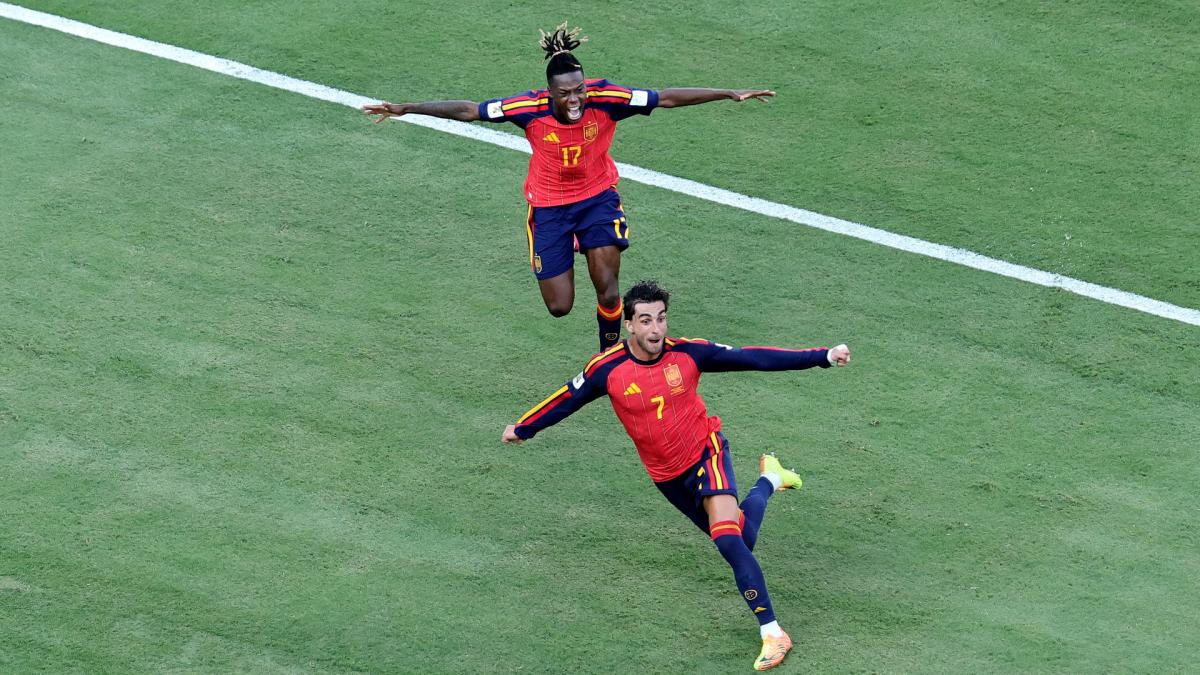
INTSpain are world champions for the second time — and they did it the hard way, grinding down the reigning champions Argentina across 120 minutes before Ferran Torres, introduced from the bench, produce
“Stays on Spain — different angle, same beat.”
INTSpain are world champions for the second time — and they did it the hard way, grinding down the reigning champions Argentina across 120 minutes before Ferran Torres, introduced from the bench, produce