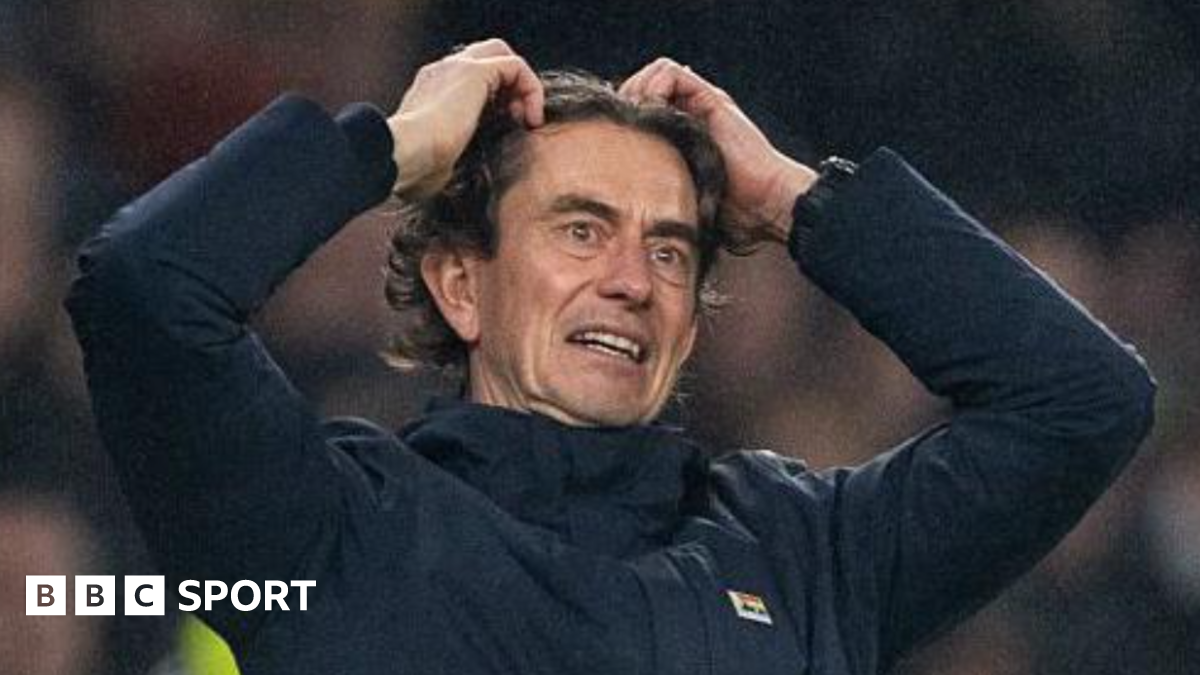
Eight months. That's all Thomas Frank got at Tottenham Hotspur before the club decided, once again, that the man in the dugout wasn't the answer. According to a BBC Sport deep-dive by Sami Mokbel, Frank's exit wasn't just about results — it was about a manager who never quite got the dressing room or the fanbase on his side. Which, at Spurs, is a very familiar story.
BBC Sport's reporting frames Frank's sacking less as a sudden collapse and more as a slow erosion of trust — on two fronts simultaneously. The players weren't fully bought in. The supporters weren't either. When you lose both groups at a club that already has a hair-trigger relationship with its own managers, there isn't much runway left.
Frank arrived with genuine credibility. What he built at Brentford — promotion, Premier League survival, a coherent identity — was the kind of project that made him one of the more respected coaches in English football. The assumption was that he could bring structure and belief to a squad that had been drifting. That assumption, it turns out, didn't survive contact with N17.
The uncomfortable truth is that Frank's departure says as much about Tottenham as it does about Frank. This is a club that has now cycled through a remarkable number of managers in a short space of time — each one arriving with a plan, each one eventually ground down by a combination of squad dynamics, ownership expectations, and a fanbase that has been promised so much for so long that patience runs thin fast.
Mourinho. Nuno. Conte. Postecoglou. Frank. The names change; the pattern doesn't. A new manager comes in, there's a brief window of optimism, and then the cracks appear — usually around the same fault lines. A dressing room that's hard to unify. A support base that wants to believe but has been burned before. A club structure that hasn't always made the manager's job easier.
Tottenham will now begin another search — their latest attempt to find someone who can finally break the cycle rather than just extend it. The question isn't really who they appoint. It's whether anything structural changes around whoever walks through the door next.
Frank deserves some sympathy here. Eight months is barely enough time to implement a pre-season, let alone reshape a squad's mentality. But sympathy doesn't change the outcome. At Spurs right now, the clock starts the moment you take the job — and it runs faster than almost anywhere else in the Premier League.
Eight months. That's all Thomas Frank got at Tottenham Hotspur before the club decided, once again, that the man in the dugout wasn't the answer.
Bronnen
BBC Sport — Football
Flagside-artikelen zijn originele stukken samengesteld uit meerdere bronnen. We citeren elke outlet die in het stuk verwerkt is.
Hoogtepunten van de nacht, wat de transfermarkt doet, en het ene stuk dat je vandaag moet lezen. Geen ads. Geen tips. Geen operators.
Eenmalig afmelden. We delen je e-mailadres niet.
“Stays on Managerial Change — different angle, same beat.”
 PREM
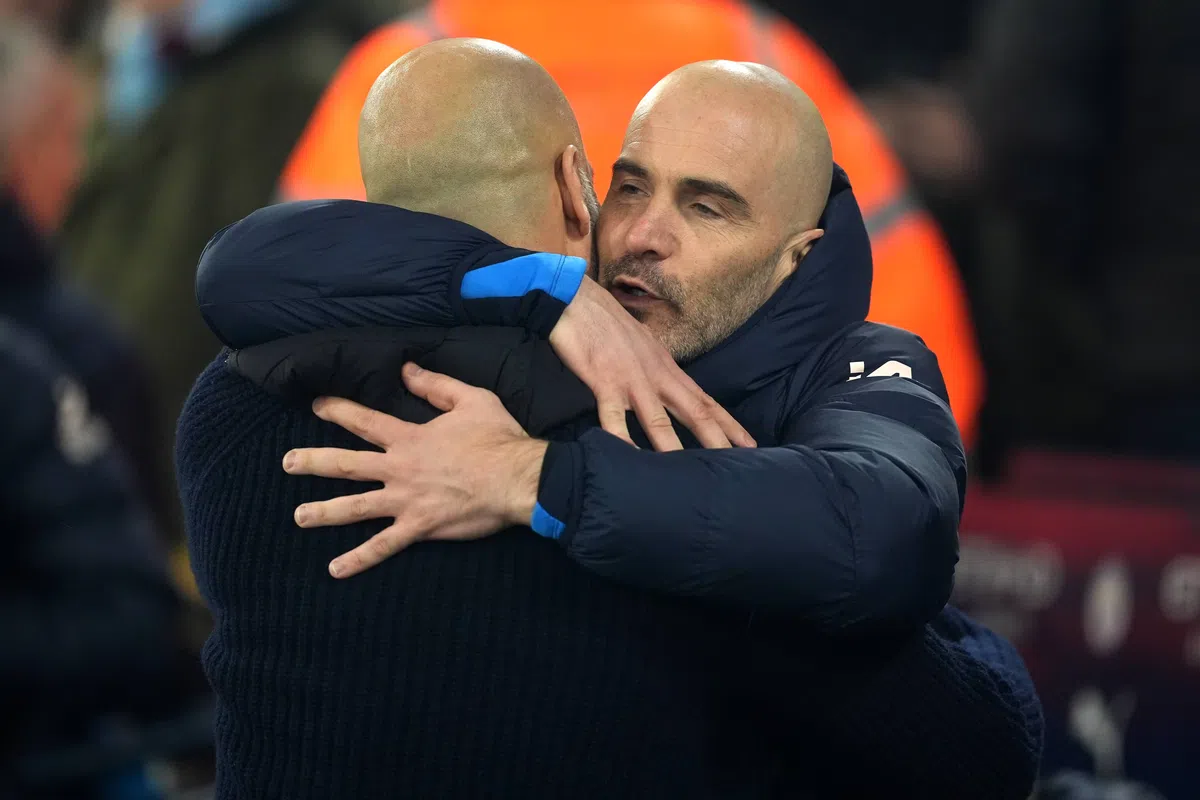
PREMManchester City heeft Enzo Maresca aangesteld als nieuwe hoofdtrainer — en Chelsea pikt er ruim twintig miljoen voor op. De transfermarkt voor managers draait op volle toeren deze zomer, maar dit is e
“Stays on Managerial Change — different angle, same beat.”
PREMManchester City heeft Enzo Maresca aangesteld als nieuwe hoofdtrainer — en Chelsea pikt er ruim twintig miljoen voor op. De transfermarkt voor managers draait op volle toeren deze zomer, maar dit is e

)