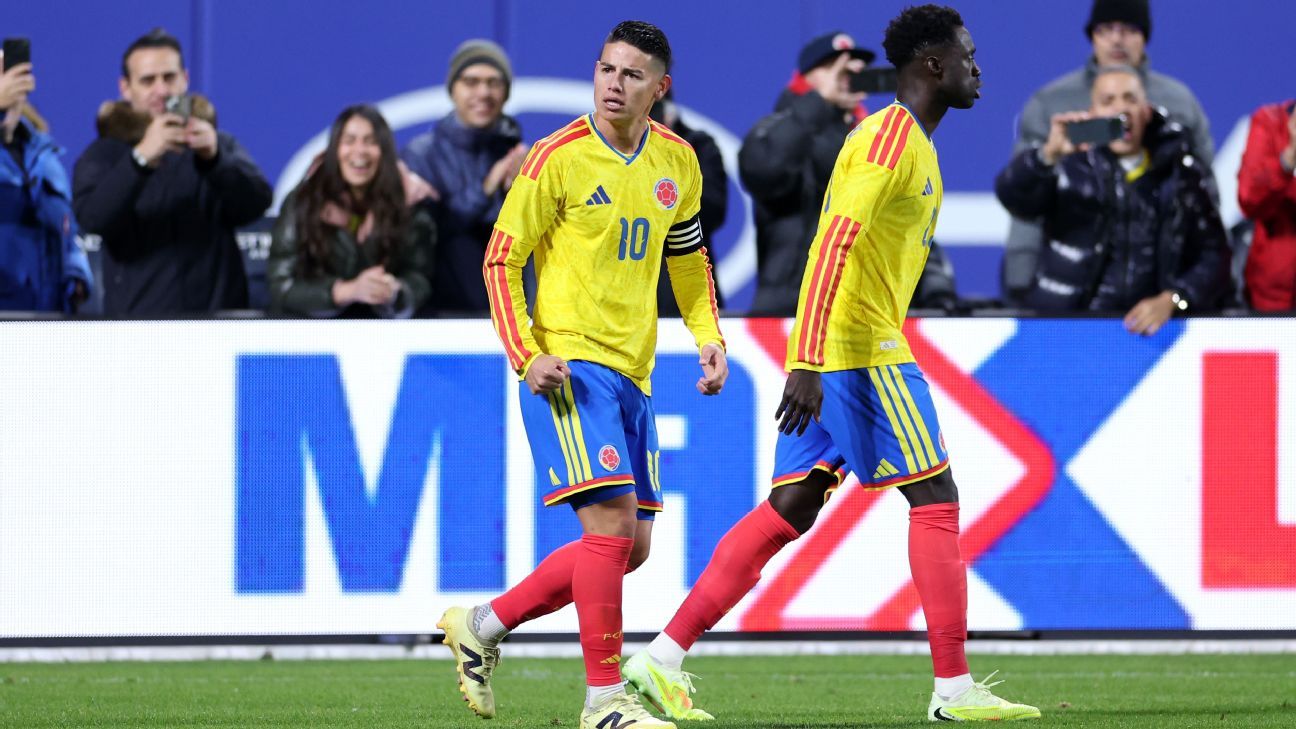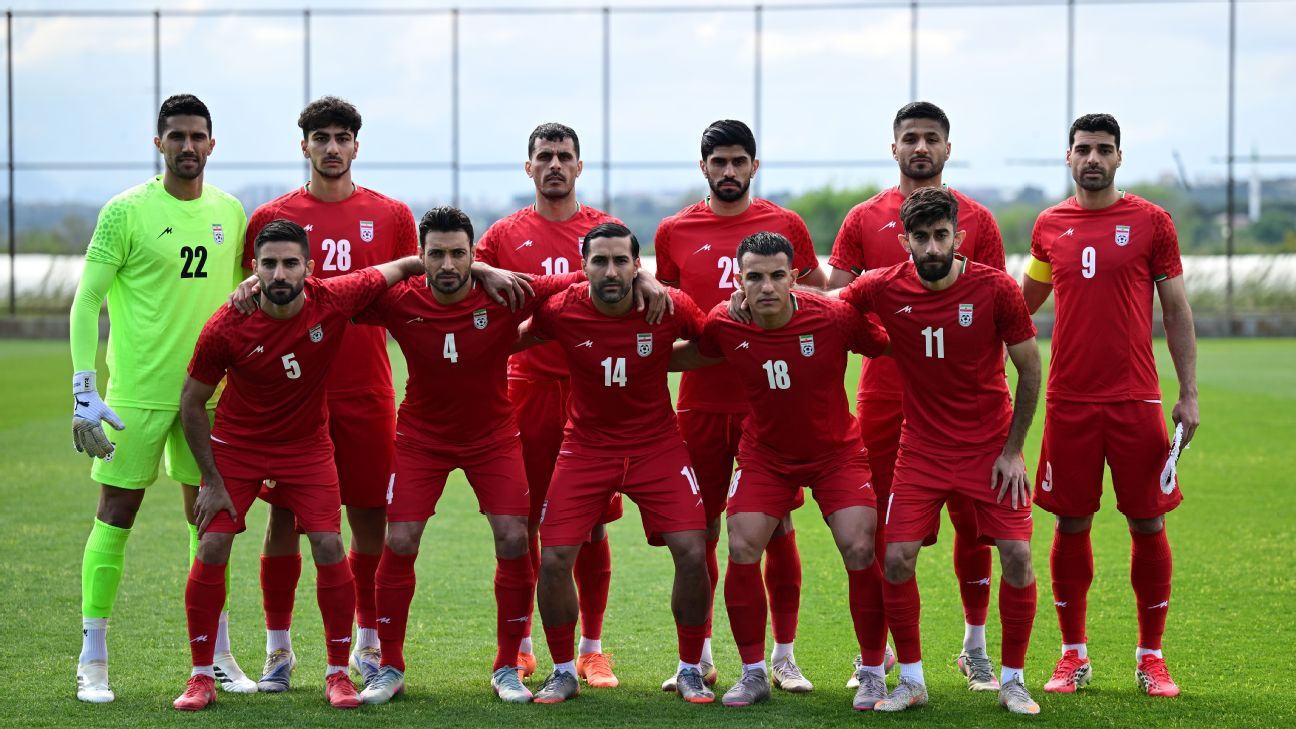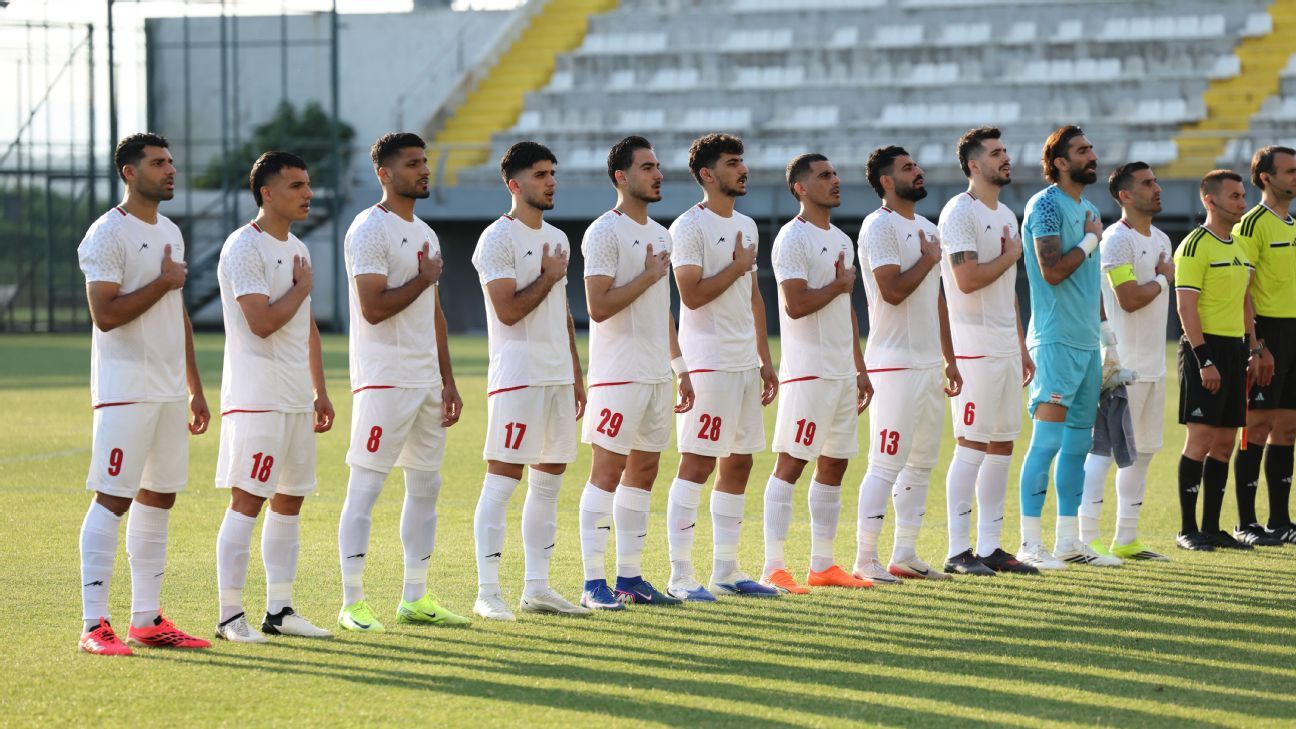
Ten days before Iran's opening World Cup match in Los Angeles, a White House official confirmed to Reuters that the squad have been granted US entry visas — ending one of the most politically charged logistical standoffs the tournament has ever produced.
For weeks, Iran's players existed in a kind of diplomatic limbo that had no real precedent in World Cup history. The squad relocated their training base from Arizona to Mexico while the visa situation remained unresolved — a decision that said everything about how uncertain things had become. Training in Mexico for a tournament being played in the United States is not a sentence that should exist, and yet here we were.
The confirmation came Friday, when a White House official told Reuters that visas had been granted. A separate US official speaking to ABC News corroborated the news. The clearance means Iran's players can now enter the United States and compete.
What made the final hours particularly strange: Iran's ambassador to Mexico, Abolfazl Pasandideh, said late Thursday that the squad were still waiting. By Friday morning, the White House was saying the opposite. That gap — ambassador says no, White House says yes — tells you something about just how close to the wire this ran, and how many channels were working simultaneously to get it resolved.
It is still not confirmed whether all squad members and staff received visas, or whether the clearance covers players only. The broader diplomatic relationship between Washington and Tehran remains exactly as complicated as it was before any of this started.
The 2026 World Cup is co-hosted by the US, Canada, and Mexico — and the decision to award it to that trio always carried the implicit understanding that geopolitics could create exactly this kind of friction. Iran's situation was the sharpest example yet. A squad training in Mexico because they couldn't get into the country hosting the tournament is the sort of image FIFA would very much prefer not to exist.
With the opener in Los Angeles now ten days away, the resolution is tight but it's there. Iran can play. The squad can cross the border. The tournament keeps its integrity intact — just about.
Somewhere in a Mexican training facility, a group of footballers found out they were going to the World Cup for the second time this week.
Ten days before Iran's opening World Cup match in Los Angeles, a White House official confirmed to Reuters that the squad have been granted US entry visas
Kilder
ESPN FC, Football365, The Guardian — Football
Flagside-artikler er originale sammenfatninger fra flere kilder. Vi siterer hver outlet som bidro til saken.
Nattens beste kamper, hva som skjer i transfervinduet, og en spalte du bør lese i dag. Ingen annonser. Ingen tips. Ingen operatører.
Avmeld med ett klikk. Vi deler ikke e-postadresser.
“Stays on World Cup — different angle, same beat.”
The 2026 World Cup hasn't kicked off yet and it's already producing the kind of storyline that has nothing to do with football. Iran's Football Federation president Mehdi Taj announced on Friday that
“Stays on World Cup — different angle, same beat.”
The 2026 World Cup hasn't kicked off yet and it's already producing the kind of storyline that has nothing to do with football. Iran's Football Federation president Mehdi Taj announced on Friday that