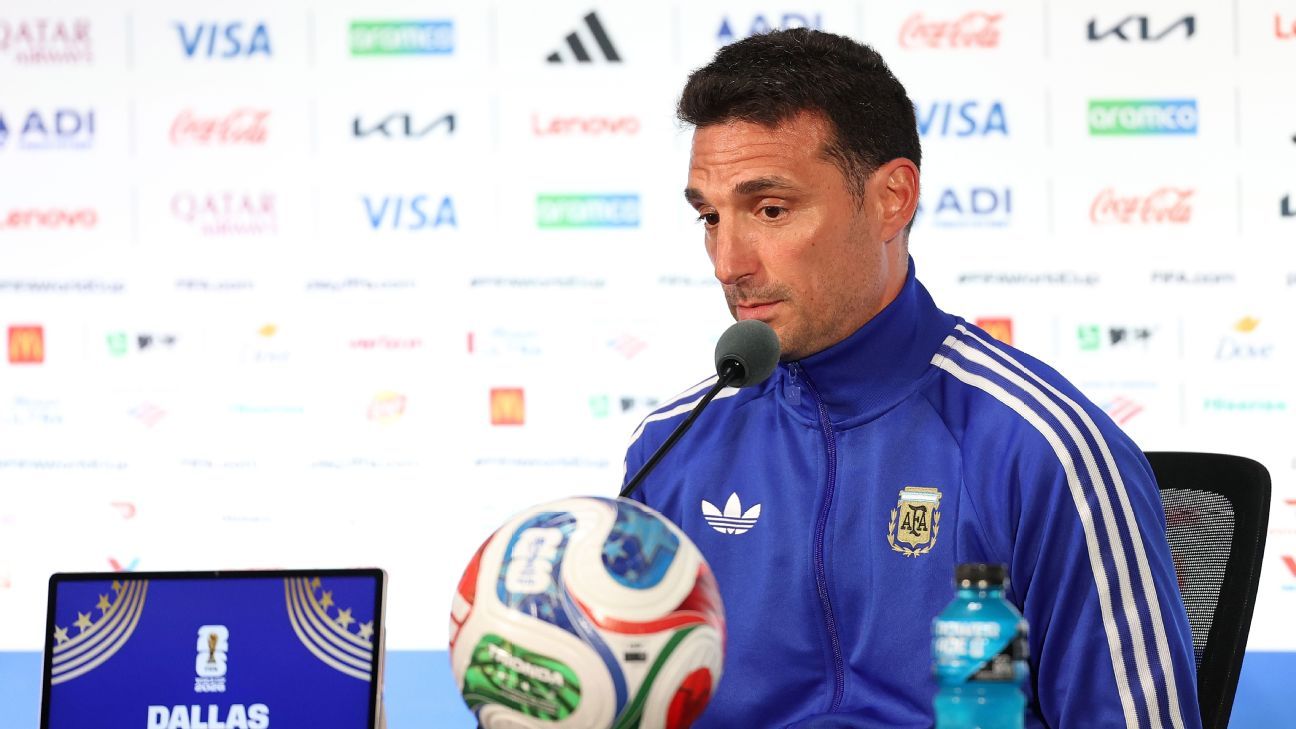
Lionel Scaloni is not the kind of manager who makes noise for the sake of it — which is exactly why his public criticism of FIFA's new hydration breaks at the 2026 World Cup is worth paying attention to. The Argentina head coach has come out against the competition-wide water breaks, arguing they chop up the rhythm of the game and, more pointedly, that they hand a structural advantage to the side that needs to disrupt momentum. At a World Cup where margins are everything, that is not a small complaint.
According to ESPN FC — with Goal also picking up the remarks — Scaloni's objection runs along two lines. First, the breaks fragment the natural flow of a match — the kind of sustained pressure and tempo that a well-organised side builds over fifteen or twenty minutes. Second, and more tactically interesting, he believes the pauses disproportionately benefit the weaker team in each half-segment: a side sitting deep and absorbing pressure suddenly gets a free reset, a chance to reorganise, catch breath, and re-set their defensive shape without conceding a corner or a throw-in to earn it.
He didn't say the breaks should be scrapped outright — at least not in what's been reported — but the direction of his argument is clear enough. FIFA introduced the mandatory hydration breaks as a welfare measure for players competing in the North American summer heat across venues in the United States, Canada, and Mexico. The intent is legitimate. The execution, Scaloni suggests, comes with unintended competitive side-effects.
He's not entirely wrong. Football momentum is a real thing — not just a pundit cliché — and anecdotally, enforced pauses tend to reset psychological and physical states for both teams. The side that was winning the territorial battle before the whistle doesn't automatically pick up where it left off. Defensive teams, historically, are better at using dead time: they're already organised, already compact, already waiting. A ninety-second water break is essentially a free time-out — and time-outs in sport almost always favour the side that wants the clock to stop.
For Argentina, who under Scaloni tend to build through control and structured possession rather than chaos, that logic stings a little more than it might for a counter-attacking side. The breaks, in effect, put a ceiling on sustained dominance.
FIFA's position is harder to dismiss than Scaloni's framing implies. Temperatures at some 2026 venues have been brutal, and player welfare — particularly for those covering high distances at intensity — is a genuine concern. The breaks exist because the alternative, players cramping or worse in the second half of a knockout game, is worse for the spectacle and far worse for the individuals involved.
What's missing from the current conversation — and this is partly a function of only one coach having gone on record — is whether other managers share Scaloni's read. If Hansi Flick, Gareth Southgate's successor, or any of the other major-tournament coaches are saying similar things privately, that's a broader FIFA problem. If it's just Scaloni, it reads more like a coach managing expectations or looking for a competitive grievance to sharpen his squad's focus.
Scaloni has earned the right to be taken seriously. He won a Copa América and a World Cup with Argentina. When he talks about game management, people in football listen.
FIFA, for now, has not responded publicly to his remarks.
Lionel Scaloni is not the kind of manager who makes noise for the sake of it — which is exactly why his public criticism of FIFA's new hydration breaks at the 2026 World Cup is worth paying attention to.
Fuentes
ESPN FC
Los artículos de Flagside son redacciones originales sintetizadas de múltiples fuentes. Citamos cada medio que alimentó la pieza.
Lo mejor de los partidos de la noche, qué está haciendo la ventana de traspasos, y la columna que debes leer hoy. Sin anuncios. Sin pronósticos. Sin operadores.
Desuscripción con un clic. No compartimos emails.
“Stays on World Cup — different angle, same beat.”
 SELECCIONES
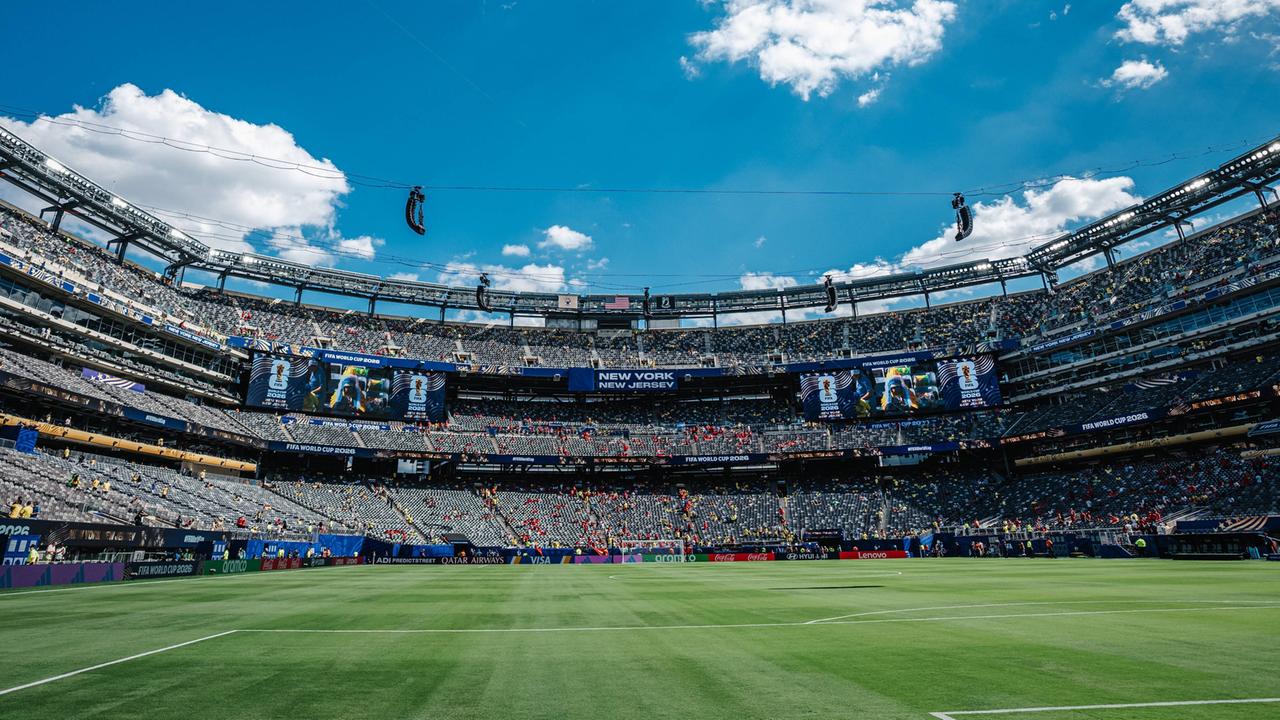
Das MetLife Stadium in New Jersey soll am 19. Juli 2026 den größten Moment des Weltfußballs beherbergen – doch der Untergrund macht bereits vor dem Anpfiff Schlagzeilen. Vinicius Jr. und Frankreichs N
“Stays on World Cup — different angle, same beat.”
SELECCIONESDas MetLife Stadium in New Jersey soll am 19. Juli 2026 den größten Moment des Weltfußballs beherbergen – doch der Untergrund macht bereits vor dem Anpfiff Schlagzeilen. Vinicius Jr. und Frankreichs N
)
