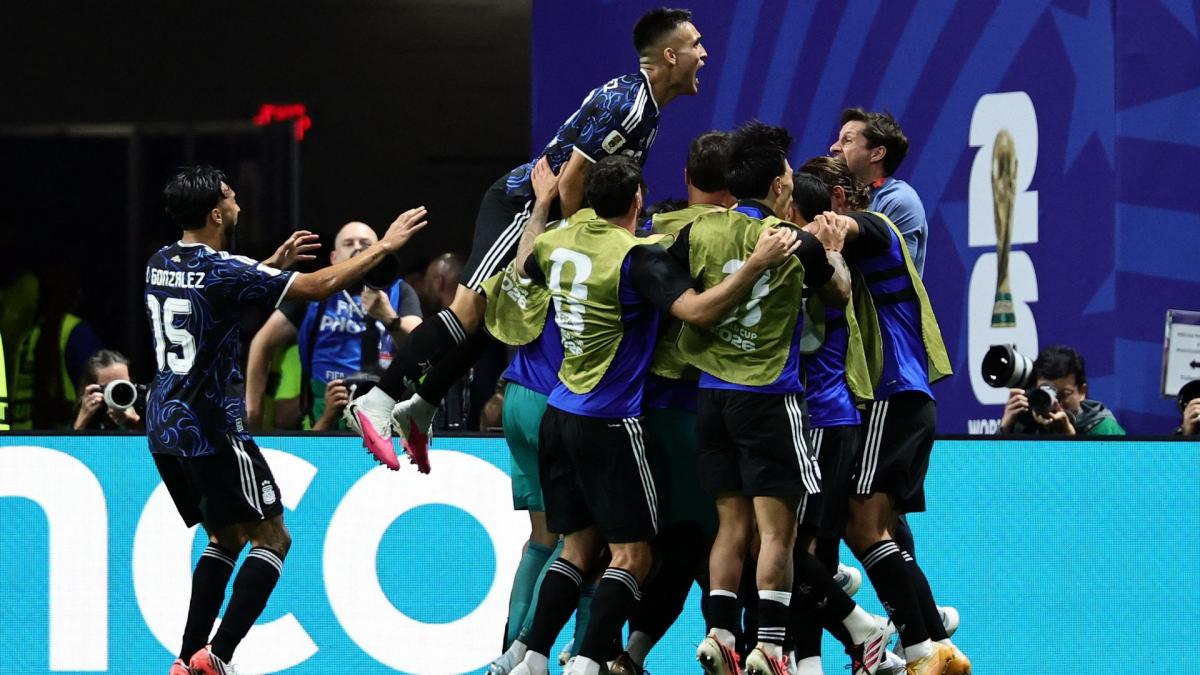
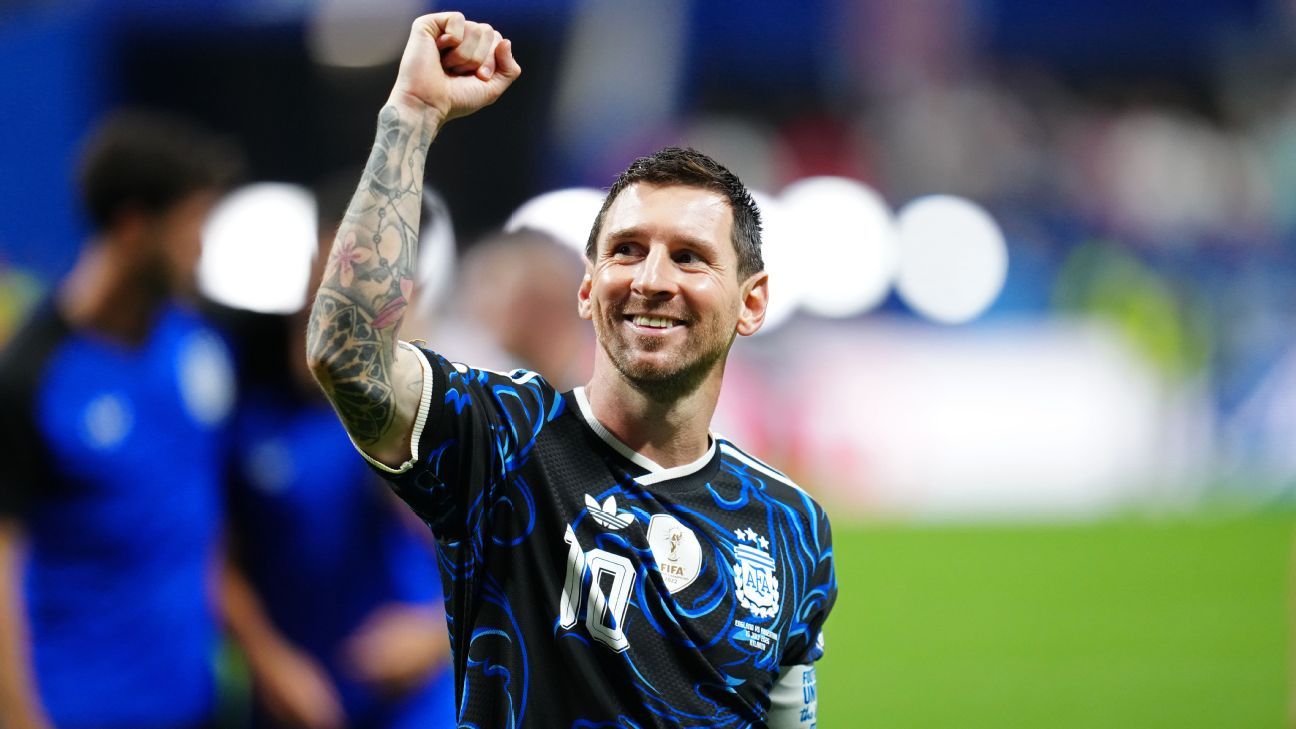
It was supposed to be different. Thomas Tuchel arrived with a reputation built on pressing systems, positional boldness, and the kind of tactical aggression that wins Champions League finals. Then Argentina turned up — Lionel Messi turned up — and England sat in, held their shape, and waited for something that never came. The 2026 World Cup semi-final is over for England, and the conversation has already started: did Tuchel just do a Southgate?
Tuchel's England set up deep against Argentina in a manner that will be immediately familiar to anyone who watched the Southgate years with mounting frustration. The defensive block, the reluctance to press high, the invitation to Argentina to have the ball — it was a posture that said please don't hurt us rather than we're here to win a World Cup.
Argentina, to their credit, were not interested in being polite about it. According to The Guardian's Jacob Steinberg, Argentina showed intent from the off while England showed something closer to fear — and on a night this big, against a player of Messi's calibre, fear is a tactical choice with consequences.
The uncomfortable truth is that England's defensive instincts on the biggest stages haven't been coached out of the squad — they've been coached in deeper. Southgate's England made a virtue of the low block, of grinding through knockout rounds on set-pieces and moments of individual quality. The argument for Tuchel was that he'd liberate this generation of technically gifted players to actually play.
A World Cup semi-final against the reigning champions was the exact moment to prove that. England chose the same road instead.
Tuchel will argue context — Argentina's quality, the stakes, the margins — and those arguments aren't worthless. But the manager who beat Pep Guardiola's Manchester City in a Champions League final with a high-energy, shape-shifting system did not bring that version of himself to this game. That's the part that stings.
Argentina didn't need to do anything extraordinary. They simply played forward, trusted their quality, and punished a team that had decided not to compete for the ball. When you park the bus against Messi, you are not neutralising him — you are giving him time and space to find the angles. England found that out.
The final was right there. One game away. England had navigated the tournament to get to this point, and the reward was a semi-final against a side they could, in a different tactical universe, have genuinely tested. They didn't test them. They absorbed, they waited, and eventually they were eliminated.
England looked at the occasion and blinked. Tuchel looked at Messi and blinked first.
It was supposed to be different. Thomas Tuchel arrived with a reputation built on pressing systems, positional boldness, and the kind of tactical aggression that wins Champions League finals. Then Argentina turned up
Fuentes
The Guardian — Football
Los artículos de Flagside son redacciones originales sintetizadas de múltiples fuentes. Citamos cada medio que alimentó la pieza.
Lo mejor de los partidos de la noche, qué está haciendo la ventana de traspasos, y la columna que debes leer hoy. Sin anuncios. Sin pronósticos. Sin operadores.
Desuscripción con un clic. No compartimos emails.
“Stays on World Cup — different angle, same beat.”
Forty years on from the Hand of God, the Goal of the Century, and the moment Diego Maradona turned a football match into something close to mythology — Lionel Messi stood on the same side of the same
“Stays on World Cup — different angle, same beat.”
Forty years on from the Hand of God, the Goal of the Century, and the moment Diego Maradona turned a football match into something close to mythology — Lionel Messi stood on the same side of the same