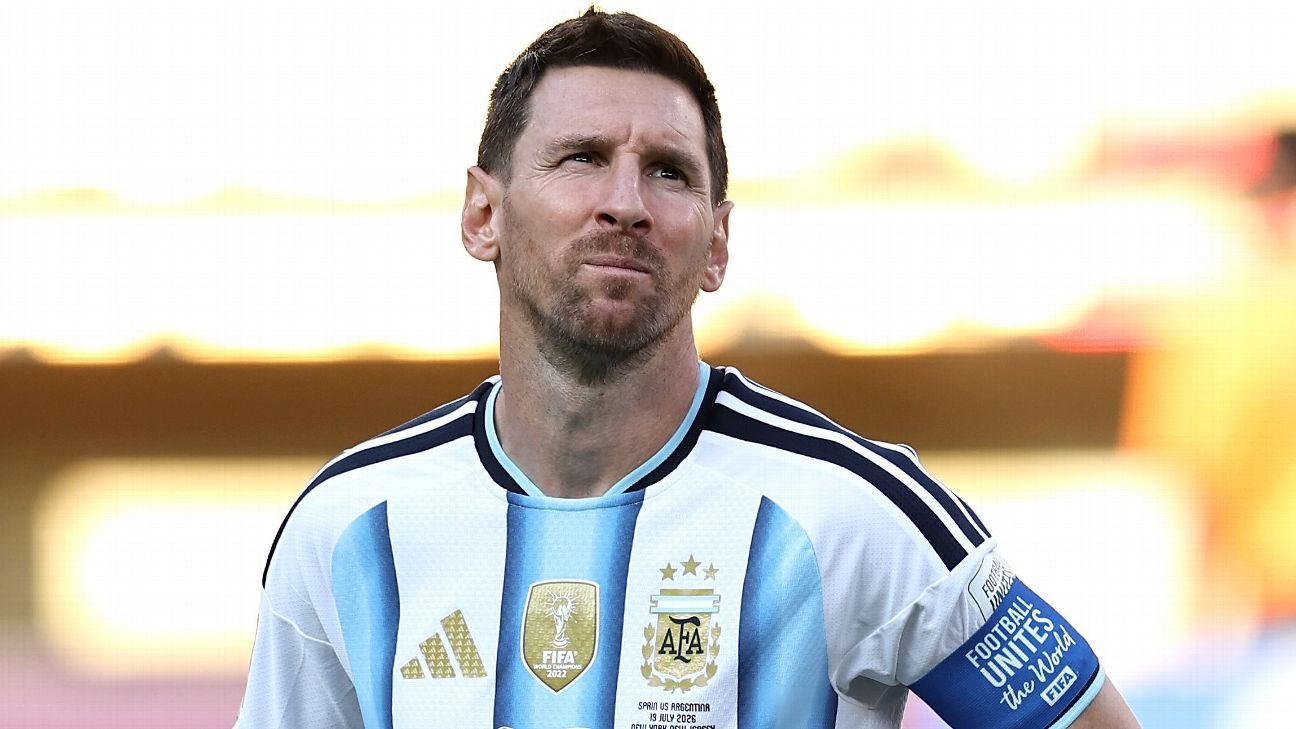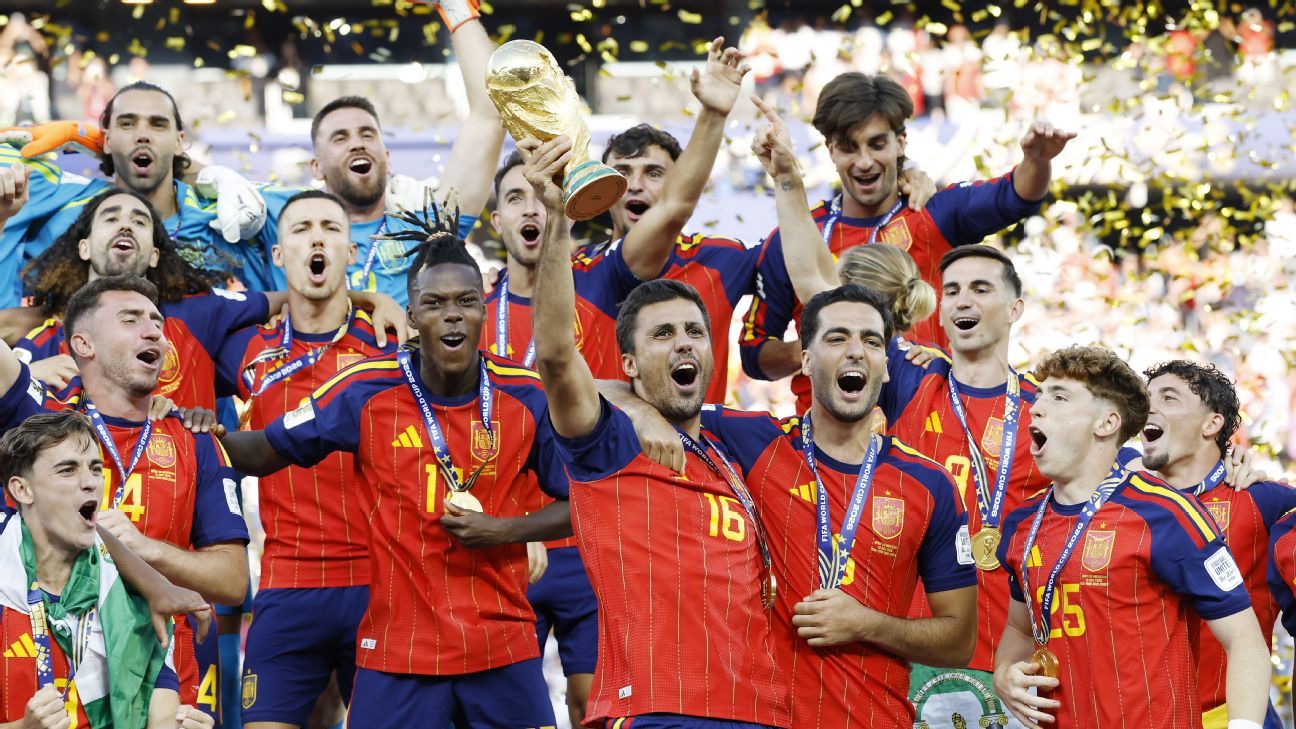
Ferran Torres came on as a substitute and left as the man who won Spain the World Cup. His smashed finish in the 106th minute at MetLife Stadium settled a bad-tempered, one-sided final against Argentina — and ended Lionel Messi's last World Cup campaign with a whimper rather than the fairytale the sport had been half-expecting.
Spain had been the better side for long stretches of a final that never really felt in doubt, even when it stayed goalless through 90 minutes. Luis de la Fuente turned to his bench, Torres came on, and the rest wrote itself — a smashed finish, 106th minute, MetLife Stadium erupting in red.
It is Spain's second men's World Cup title. The first came in South Africa in 2010. Sixteen years later, a different generation, a different style, the same result.
The defending champions were reduced to 10 men at some point during the match — the exact incident and player involved have not been confirmed across available sources, though multiple outlets described the atmosphere as ugly, with BBC Sport reporting the full-time scenes turned hostile. The Telegraph went further, framing it as a triumph of football over Argentine indiscipline. Whatever the specifics of the red card, Argentina barely threatened Spain's goal across 120 minutes. The match was described as one-sided across multiple outlets, including GiveMeSport and Football365.
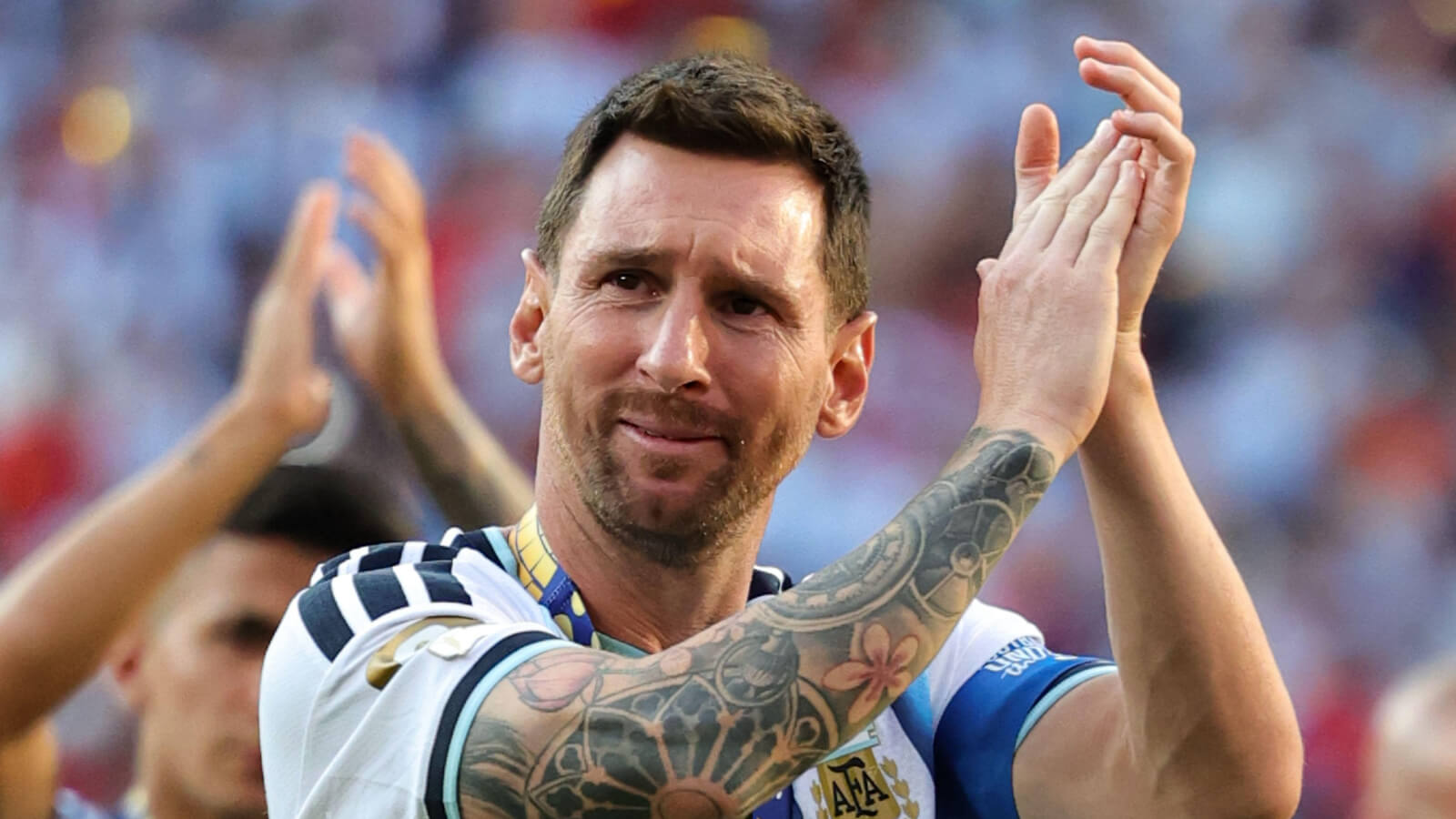
Messi — rated 3/10 by ESPN — was virtually anonymous. The greatest player of his generation, playing what is almost certainly his final World Cup match, could not find a way into the game. He did not celebrate when it ended. He looked at the turf for a long time.
Torres's winner is the kind of moment that defines World Cups — not the starter who dominates, but the substitute who arrives at the right second and takes it. De la Fuente had already shown across this tournament that his squad depth was a weapon; Torres proved it emphatically in extra time at MetLife.
Spain's performance, according to Sky Sports, was built on collective persistence rather than individual brilliance — though the super-subs provided the decisive spark. Capital Sports described it as a stroll. That might be slightly generous to Argentina, who at least made it to extra time, but the direction of the final was rarely in question.
For Spain, this is confirmation of a golden generation arriving at its peak — a team that won Euro 2024 and now the World Cup, with Lamine Yamal, Pedri, and Rodri at its core. For Argentina, it is a painful defence of a title that slipped away in a final they never controlled. For Messi, it is the end of a World Cup story that peaked in Qatar 2022 and had nowhere left to go but here — a 3/10 in the biggest match on earth.
Ferran Torres came on as a substitute and left as the man who won Spain the World Cup. His smashed finish in the 106th minute at MetLife Stadium settled a bad-tempered, one-sided final against Argentina
Sources
ESPN FC, Sky Sports — Football, Capital Sports, Football Italia, GiveMeSport — Football, BBC Sport — Football, The Athletic — Football, Pulse Sports, Football365, The Telegraph — Football
Flagside articles are original write-ups synthesised from multiple sources. We cite every outlet that fed into the piece.
Pick of the night's matches, what the transfer window's doing, and the one column you should read today. No ads. No tips. No operators.
One-click unsubscribe. We do not share emails.
“Stays on World Cup — different angle, same beat.”
 INT
INTSpain are world champions. Argentina are not. And yet, on the morning after the 2026 World Cup final, the Argentine press sat down and wrote something that felt less like a post-mortem and more like a
“Stays on World Cup — different angle, same beat.”
INTSpain are world champions. Argentina are not. And yet, on the morning after the 2026 World Cup final, the Argentine press sat down and wrote something that felt less like a post-mortem and more like a