
 NEW2
NEW2 LIV2
LIV2 BHA4
BHA4 AVL0
AVL0 MNC2
MNC2 BOU1
BOU1 ELC0
ELC0 BAR5
BAR5 GET1
GET1 RAC0
RAC0 ATM2
ATM2 VIL2
VIL2 FUL
FUL CHE
CHE HBE
HBE BODO
BODO NEC
NEC LAS
LAS CEL
CEL OSA
OSA LEV
LEV MCF
MCF DEP
DEP VAL
VAL BET
BET DUR
DUR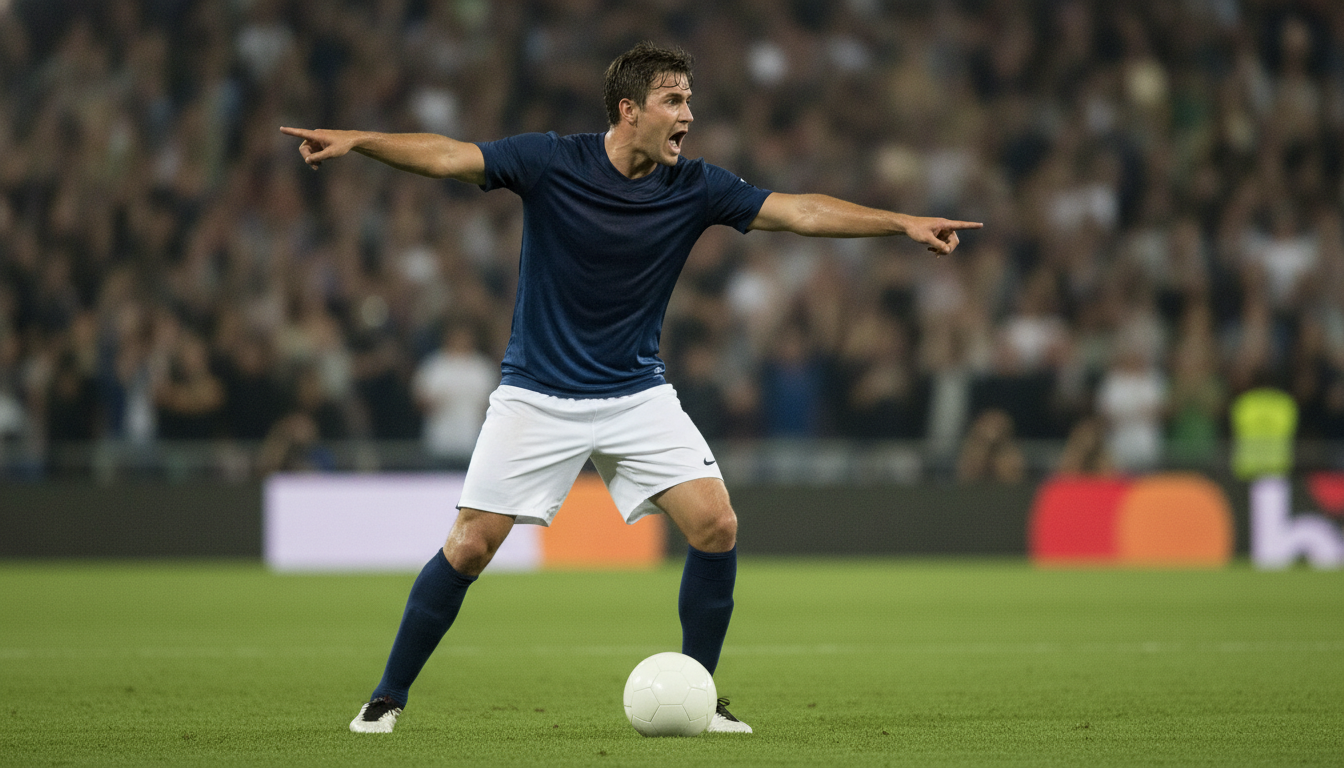
Can a football player play multiple positions?
Can a football player play multiple positions?
Yes, and it happens more often than most fans realise — sometimes several times in a single game.

Picture a full-back who has just picked up a knock. The manager jogs to the touchline, waves his arms, and within seconds a midfielder has dropped into defence while the full-back pushes further forward. No substitution, no stoppage, no announcement over the tannoy. The game rolls on and the shape has quietly changed.
Any outfield player can move to a different position at any point during a match. The manager gives the instruction — usually by shouting from the touchline or sending a message through a player — and that is all it takes. There is nothing to sign off, no official to inform.
The reason this works is that positions in football are not fixed assignments in the way a batting order is in cricket or a lane is in swimming. They are starting points. A centre-back lines up at centre-back because that is where the team needs him at kick-off, not because he is locked there for ninety minutes. Once the ball is moving, players drift, cover and swap constantly, and a manager can make that drift permanent whenever it suits the team.
Some players build whole careers around this flexibility. A footballer who can play comfortably at right-back, in central midfield and on the right wing is described as a utility player — someone a manager can call on to fill gaps caused by injury, suspension or a change of tactics. Clubs value utility players because they stretch a squad further: one adaptable player can cover three or four positions that might otherwise each need a specialist.
The only position that works differently is goalkeeper. The goalkeeper is the one player on the pitch with a defined legal privilege — handling the ball inside their own penalty area — and that privilege belongs to whoever is designated as goalkeeper at any given moment. An outfield player can physically stand in goal if the goalkeeper is sent off and all substitutes have been used, but that player does not gain the handling privilege automatically. The goalkeeper role carries specific status that no other position does.
Outside that one exception, the lines between positions are softer than shirt numbers suggest. A player listed as number nine might spend large parts of a match operating in wide areas. A number six might push into the opposition half and function as an attacking midfielder for stretches of the game. The number on the back is a starting reference, not a job description that lasts the full match.
This fluidity is part of what makes football tactically rich. A manager who can move players around without burning a substitution has more tools available late in a game — shifting a forward into midfield to protect a lead, or pushing a defender up for set-pieces when chasing a goal. The player who can do several jobs without dropping in quality is, for that reason, rarely short of a club.

The day's football, in your inbox at 7 AM. Nothing else.
Pick of the night's matches, what the transfer window's doing, and the one column you should read today. No ads. No tips. No operators.
One-click unsubscribe. We do not share emails.
Comments
Loading comments…