
 CEL0
CEL0 ATH2
ATH2 MAN5
MAN5 IPS2
IPS2 CHE4
CHE4 BHA3
BHA3 LEE1
LEE1 BRE1
BRE1 SUN1
SUN1 FUL0
FUL0 TOT0
TOT0 NEW2
NEW2 BOU1
BOU1 EVE1
EVE1 COV0
COV0 HUL1
HUL1 LIV2
LIV2 NFO2
NFO2 DEP3
DEP3 VAL1
VAL1 RMA4
RMA4 MCF0
MCF0 SEV1
SEV1 ATM3
ATM3 RSO2
RSO2 ESP1
ESP1 LEV5
LEV5 BET2
BET2
Why do football players walk out with children?
Why do football players walk out with children?
Just before kick-off, a line of small children emerges from the tunnel alongside the players. Here is why they are there and how they got the spot.

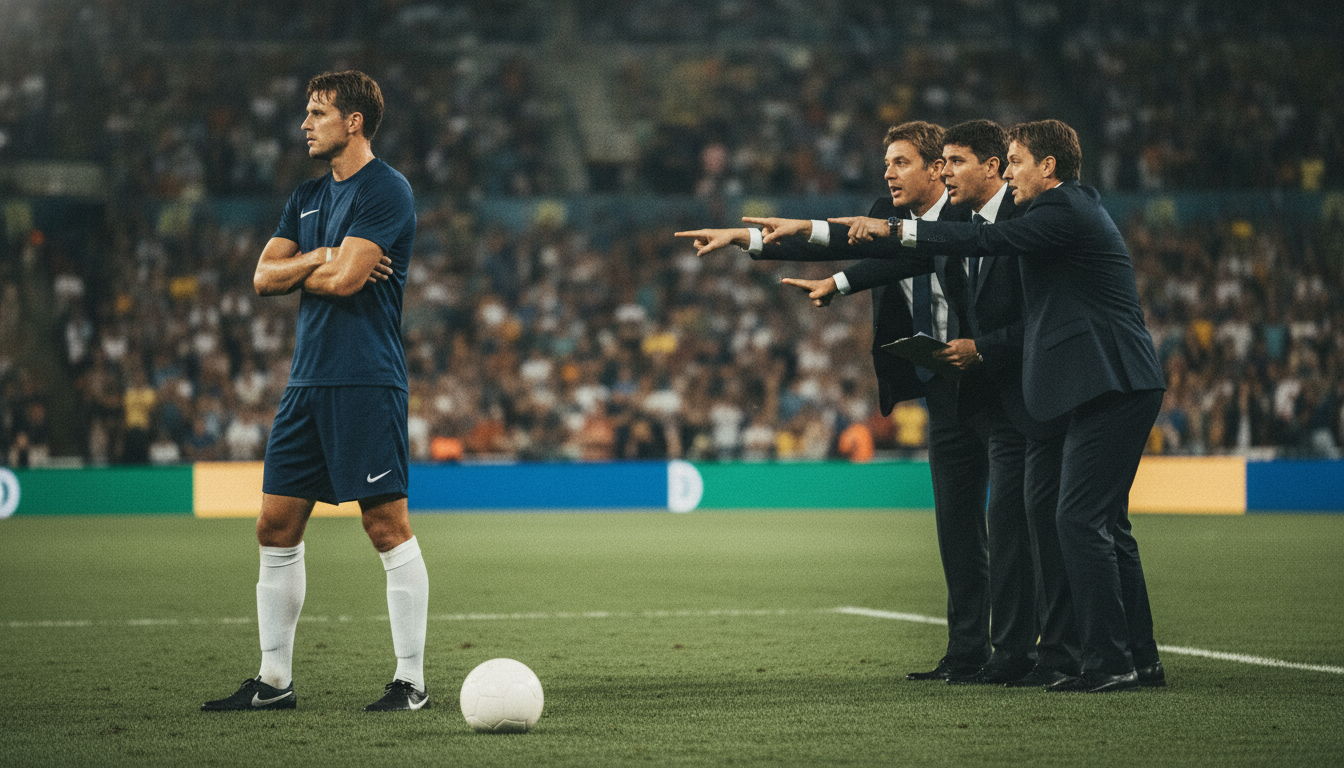
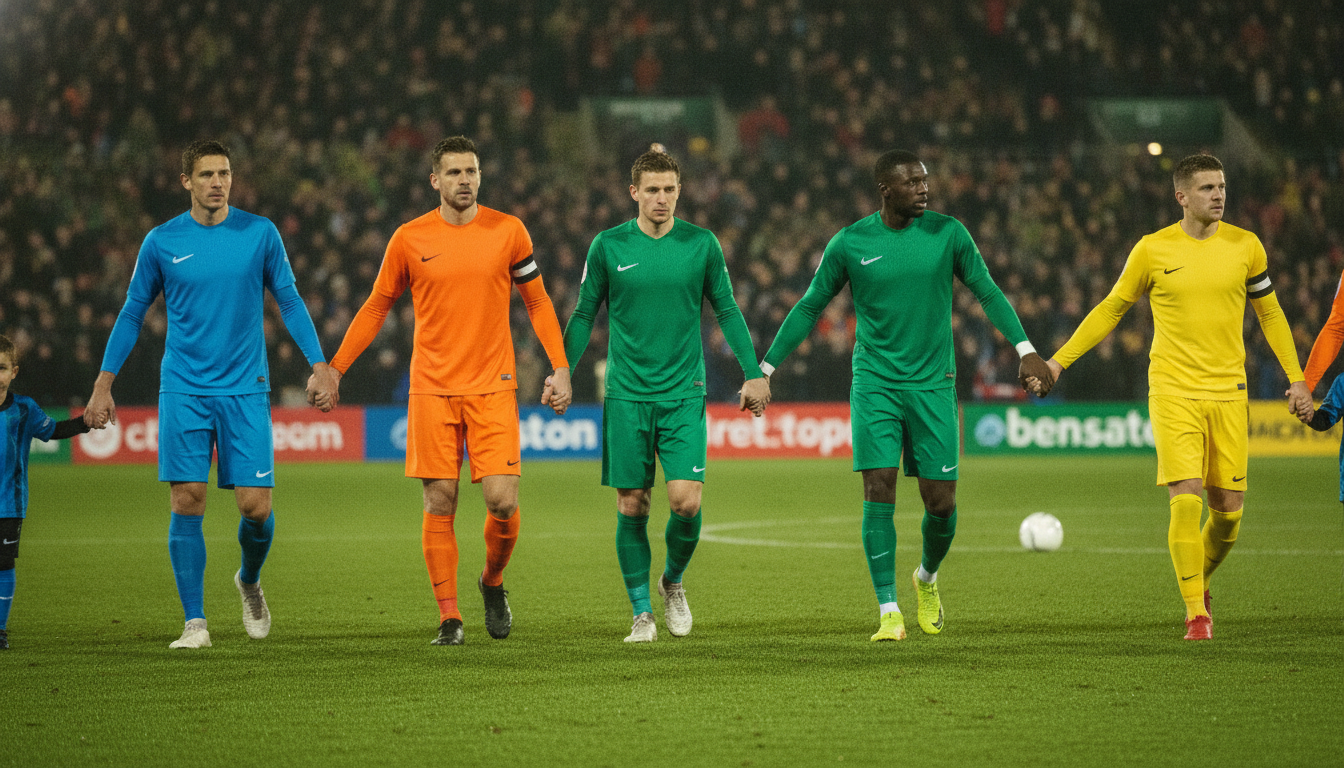
A few minutes before the referee's whistle, both sets of players line up in the tunnel. Alongside them, reaching about waist height, stand children — usually aged somewhere between six and twelve — each one holding a player's hand. They walk out together onto the pitch, stand through the formalities, and then the children are led away to the stands while the match begins.
Those children are called mascots or player escorts, and the short answer to why they are there is sponsorship. A club or one of its commercial partners pays to make the experience available, and in return a child gets a moment they are unlikely to forget.
The arrangement works on several levels at once. For the child, walking out of a tunnel in front of a full stadium alongside a professional player is the kind of thing that gets talked about for years. For the family in the stands watching it happen, it is the same. Clubs understand this, which is why the programme is treated as a premium experience rather than a background detail.
How a child gets the spot varies. Some clubs run their own selection programmes. Others hand the places to sponsors, who use them as competition prizes or client hospitality. Charity partnerships are common too — a children's organisation will be given a number of escort places across a season, and those are distributed to children connected to that charity's work. Local schools also appear in the mix, with clubs occasionally allocating places through community outreach.
The sponsor's name tends to appear somewhere nearby — on the match-day programme, on a pitchside board, or in the stadium announcer's introduction — which is the commercial logic made visible. The child's experience is genuine; the funding behind it is not purely goodwill.
What the players themselves make of it varies. Some are visibly at ease with the children, crouching down to talk to them in the tunnel or keeping hold of a hand a little longer than the routine requires. Others treat it as a procedural part of the pre-match sequence. Neither is wrong — the players are minutes away from a match and their focus is elsewhere.
The one thing that does not change is what it means to the child. By the time the teams have separated and the match has started, the escort's job is done. But for most of them, that two-minute walk is the whole point.


The day's football, in your inbox at 7 AM. Nothing else.
Pick of the night's matches, what the transfer window's doing, and the one column you should read today. No ads. No tips. No operators.
One-click unsubscribe. We do not share emails.
Comments
Loading comments…