Two of the most tactically rich sides in world football meet on 18 July in the biggest match the sport produces. Spain versus Argentina in the 2026 World Cup final is not just a collision of talent — it's a genuine tactical puzzle, and the solution almost certainly runs through the middle of the pitch.
Spain's entire game is built on control. Possession, positional play, the ability to move opponents around the pitch until a gap appears — it's the same DNA that has run through this squad for years, just with a newer, sharper generation executing it. The Athletic has identified the midfield duel as the decisive battleground of the final, and it's hard to argue with that framing.
When Spain have the ball in central areas, they're almost impossible to press without leaving space somewhere else. Their midfielders are comfortable in tight situations, they recycle quickly, and they use the width of the pitch to stretch defensive blocks before threading through the lines. The question Argentina have to answer is: how do you stop a machine that's been running smoothly all tournament?
The answer, almost certainly, is not to chase the ball. Argentina's best route to disrupting Spain's rhythm is to force them into longer, less comfortable passes — to make the build-up feel like pressure rather than pleasure. That means sitting in a compact mid-block and making the spaces between the lines as narrow as possible, denying the quick combinations that Spain use to progress through the thirds.
Argentina have the personnel for it. Their midfield carries both defensive intelligence and the capacity to transition quickly — if they can win the ball in central areas, they have the runners and the quality in the final third to punish Spain on the counter before the defensive shape resets. The trap is trying to press high and man-for-man; Spain have beaten that approach all tournament.
For Spain, the priority is patience — and width. If Argentina sit deep and narrow, the wide areas become the entry points. Getting the ball into advanced positions on the flanks, then cutting inside or pulling the ball back across the face of goal, is how Spain have created their clearest chances throughout the competition. The moment they start forcing play through the middle against a well-organised Argentine block is the moment the game gets harder.
Set-pieces, too. Spain's delivery from dead balls has been a quiet weapon in this tournament, and Argentina will know that. Expect both sides to have done their homework.
What makes this final genuinely compelling — beyond the names, the history, the occasion — is that both managers will have a clear tactical plan, and both plans will need to survive contact with the other. The first fifteen minutes, before either side has had to adapt, might tell you everything about how the next ninety will go.
Two styles, one trophy. The midfield is where it starts.
--- Tactical analysis referenced from The Athletic's pre-final breakdown. The Athletic's full piece is behind a paywall; specific data points cited are based on the publicly available excerpt only.
Two of the most tactically rich sides in world football meet on 18 July in the biggest match the sport produces. Spain versus Argentina in the 2026 World Cup final is not just a collision of talent
Bronnen
The Athletic — Football
Flagside-artikelen zijn originele stukken samengesteld uit meerdere bronnen. We citeren elke outlet die in het stuk verwerkt is.
Hoogtepunten van de nacht, wat de transfermarkt doet, en het ene stuk dat je vandaag moet lezen. Geen ads. Geen tips. Geen operators.
Eenmalig afmelden. We delen je e-mailadres niet.
“Stays on World Cup — different angle, same beat.”
 INT
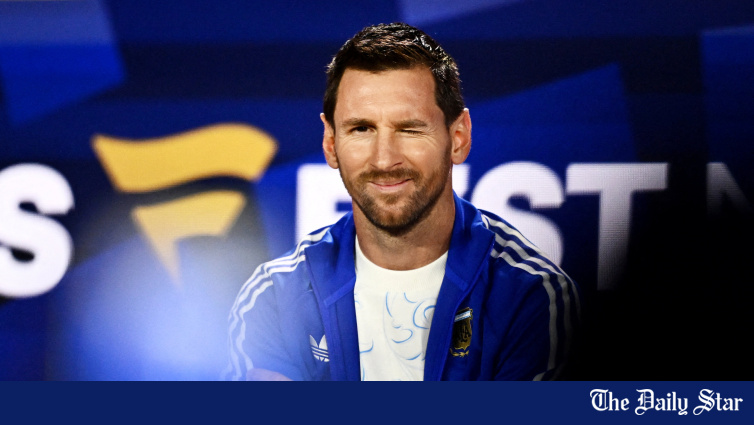
INTLuis de la Fuente has seen this film before. He tried to stop Lionel Messi with a man-marker once — when Messi was 16 years old — pulled the marker off, and watched him score four goals. On the eve of
“Stays on World Cup — different angle, same beat.”
INTLuis de la Fuente has seen this film before. He tried to stop Lionel Messi with a man-marker once — when Messi was 16 years old — pulled the marker off, and watched him score four goals. On the eve of