
 FUL1
FUL1 MAN1
MAN1 BOU0
BOU0 LIV1
LIV1 LEE0
LEE0 CRY0
CRY0 MNC5
MNC5 SUN3
SUN3 NOR3
NOR3 BOL4
BOL4 WOL1
WOL1 WBA0
WBA0 BHA1
BHA1 AVL1
AVL1 CRY0
CRY0 TOT7
TOT7 WHU0
WHU0 EVE1
EVE1 CEL0
CEL0 RAN1
RAN1 NCD
NCD SOL
SOL FIJ
FIJ VAN
VAN DMA
DMA AIA
AIA
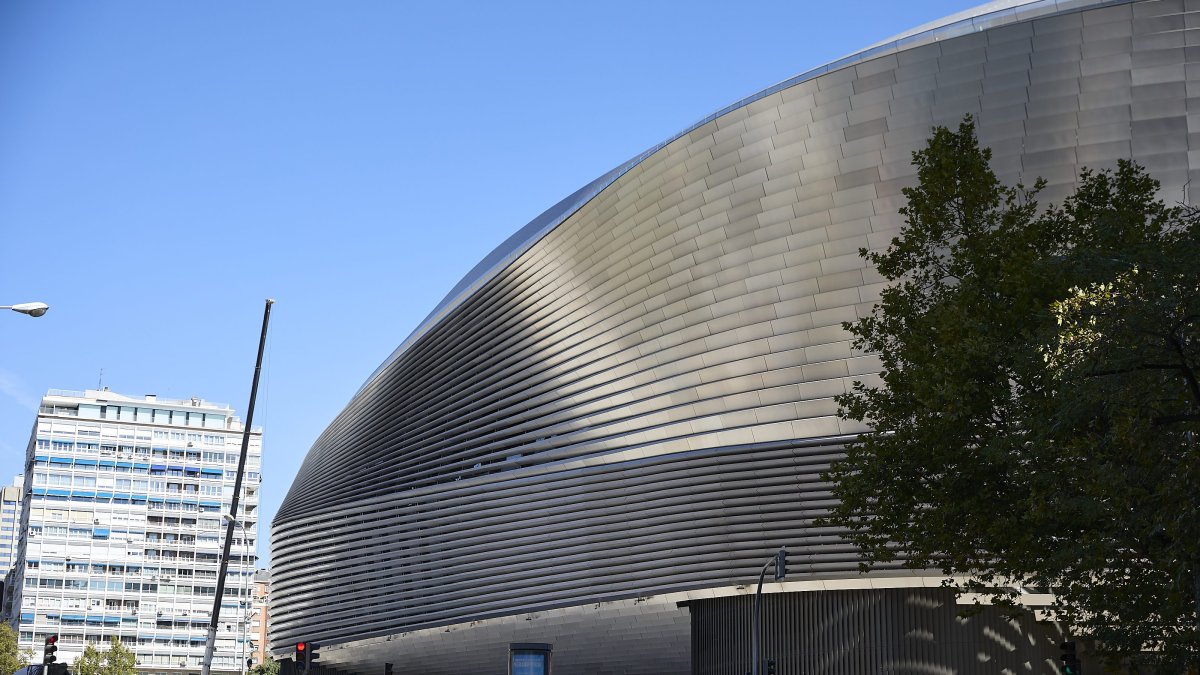
Photo: sports.yahoo.com
The gamble that ended the Deschamps era
Fourteen years. One World Cup. One European Championship. And then Dallas, in a semi-final, against Spain — the one night Didier Deschamps finally let France play, and France paid for it. The cruelest part isn't the defeat. It's the timing of the experiment.

The man who built the wall, then took it down
Deschamps' entire managerial identity at France was built on a simple, ruthless logic: control the game, protect the lead, trust the structure over the individual. It worked. The 2018 World Cup in Russia was a masterclass in pragmatic tournament football — not always pretty, never apologetic, ultimately victorious. The critics called it cautious. Deschamps called it winning.
So the decision to open France up at this tournament — to let the attacking talent breathe, to play with more positional freedom and less defensive rigidity — was genuinely surprising. And for stretches of this World Cup, it looked inspired. France were fluid. They were watchable. They were, for the first time in years under Deschamps, genuinely exciting.
Why Spain punished the change
Spain, though, are precisely the kind of opponent that exposes what you've given up when you stop being yourself. Luis Enrique's side — patient, relentless in possession, clinical in transition — are built to find the gaps that open when a team commits forward. Against a France side operating with more attacking intent and less defensive cover than at any point in the Deschamps era, they found those gaps.
According to The Guardian's Jonathan Wilson, the tactical irony is hard to escape: the manager who spent 14 years being criticised for playing it safe was ultimately undone in a World Cup semi-final by the one occasion he didn't. That's not a straightforward lesson about attacking football being wrong. It's something more complicated — about identity, timing, and the difficulty of changing a team's DNA in the middle of a tournament.
The end of an era, probably
Deschamps has not officially confirmed his departure as of the final whistle in Dallas, and France Football Federation have made no announcement. But the weight of the moment hangs over everything. Fourteen years is a long time to manage any national team. A semi-final exit, at a home-continent World Cup, against Spain, in what feels like a transitional moment for French football — it has the texture of a last chapter.
He walked away from the touchline in Dallas having given French football something it rarely got under him: a team that tried. Whether that's the legacy he wanted is another question entirely.
The France squad is loaded with talent that should be competing for the next decade. Whoever comes next inherits a generation. They also inherit the question Deschamps never quite answered: what does France actually want to be?
Sources1 source
Flagside's editors read every piece we publish. We work from the football press, write our own copy rather than reprinting anyone's, and check each article for accuracy and sourcing. Every outlet that fed into this piece is named under Sources.


The day's football, in your inbox at 7 AM. Nothing else.
Pick of the night's matches, what the transfer window's doing, and the one column you should read today. No ads. No tips. No operators.
One-click unsubscribe. We do not share emails.
Comments
Loading comments…