
 FUL1
FUL1 MAN1
MAN1 BOU0
BOU0 LIV1
LIV1 LEE0
LEE0 CRY0
CRY0 MNC5
MNC5 SUN3
SUN3 NFO0
NFO0 COV1
COV1 BHA3
BHA3 ARS0
ARS0 EVE1
EVE1 IPS0
IPS0 NEW2
NEW2 HUL1
HUL1 TOT2
TOT2 AVL3
AVL3 NOR3
NOR3 BOL4
BOL4 WOL1
WOL1 WBA0
WBA0 BIR2
BIR2 MID2
MID2 BUR1
BUR1 DER1
DER1 LCN1
LCN1 SWA2
SWA2Photo: sports.yahoo.com
The rivalry that never really sleeps
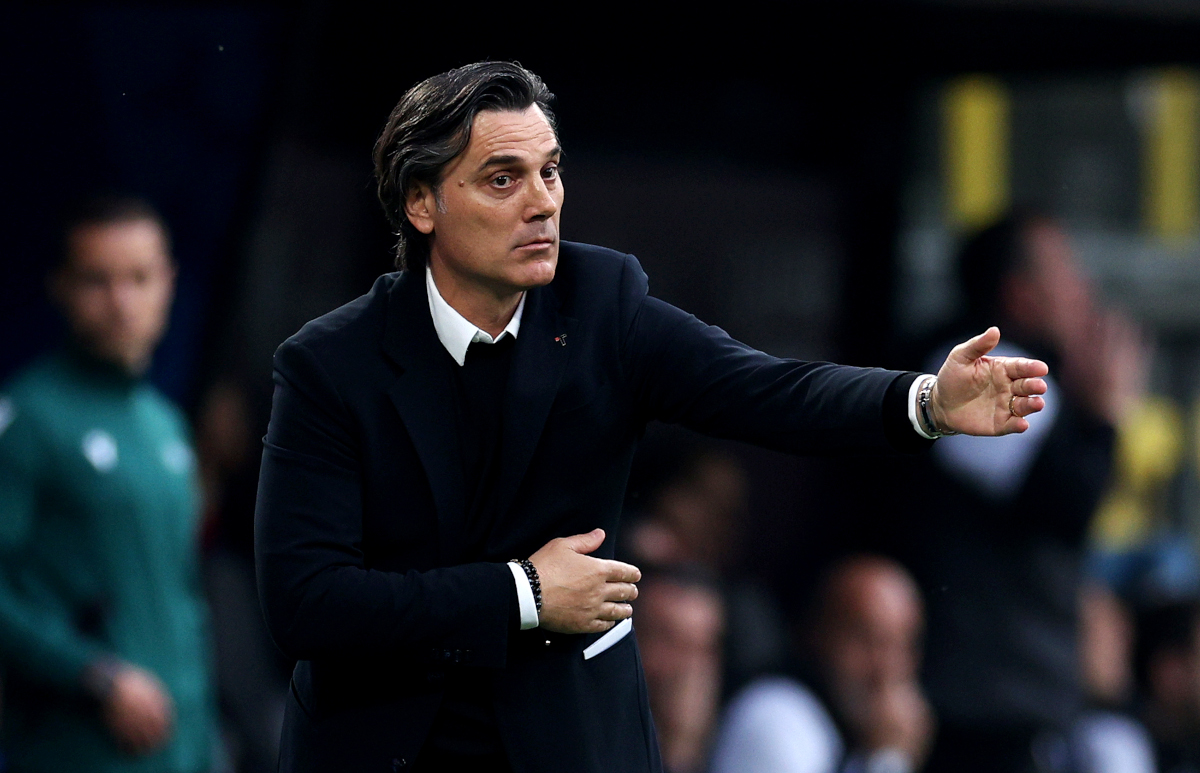
Lionel Scaloni stood at the microphone and said, essentially, that this is a football match. He is correct. He is also, in the way that only this fixture can make a man, completely wrong.

The draw did something to the timeline
When England and Argentina were pulled out of the same half of the 2026 World Cup bracket, the reaction was instant and entirely predictable — and entirely justified. This is not a routine semi-final. This is the fixture that carries more historical freight than almost any other in international football, and a World Cup last-four meeting is the biggest stage it has been given in decades.
Argentina head coach Scaloni, according to The Guardian, was asked about the Falklands/Malvinas conflict at his pre-match press conference and redirected firmly toward football. It was the right call. It was also, given everything that surrounds this fixture, the kind of answer that only makes you think about the question more.
1986 and the weight of what came before
The rivalry's defining chapter was written on 22 June 1986 in Mexico City, and Diego Maradona wrote it in two completely different hands. The first goal — punched in with a fist, confirmed by nobody in authority at the time — became one of football's most debated moments. The second, four minutes later, was something else entirely: a 60-yard run past five England players and Peter Shilton that is still, by most accounts, the greatest individual goal ever scored. Genius and villain in the same afternoon. The fixture has never recovered its innocence since, and it was never meant to.
Twelve years on, at France 98, the rivalry added another layer. David Beckham's red card for flicking a boot at Diego Simeone — yes, that Simeone — turned England's last-16 exit into a national trauma that followed Beckham for years. Michael Owen's goal, a 16-year-old running at the Argentina defence and finishing like a veteran, offered a brief, brilliant counterpoint. England lost on penalties. Of course they did.
Scaloni's plea and why it lands differently here
Scaloni's instinct to park the political context and talk football is understandable — and, in a narrow sense, correct. His Argentina side are world champions. They have Lionel Messi's legacy running through the squad's DNA even as the squad itself evolves. They do not need extra motivation from a 44-year-old territorial dispute.
England, meanwhile, arrive at a World Cup semi-final carrying their own complicated relationship with tournament football — the near-misses, the penalty shootouts, the moments that got away. A semi-final against Argentina is not just a match. It is a referendum on whether this generation can step out from under all of that.
Scaloni said it's only about football now. He didn't look like a man who entirely believed it.
What actually happens next
The bracket is set. The match is confirmed, per The Guardian, as a 2026 World Cup semi-final. Venue and precise date remain unconfirmed beyond the reported date of 14 July. What is certain: this will be watched by more people than almost any other fixture in the tournament, freighted with context that no press conference deflection can fully dissolve.
England vs Argentina. Again. Still. The rivalry that insists on itself.
Sources1 source
Flagside's editors read every piece we publish. We work from the football press, write our own copy rather than reprinting anyone's, and check each article for accuracy and sourcing. Every outlet that fed into this piece is named under Sources.



The day's football, in your inbox at 7 AM. Nothing else.
Pick of the night's matches, what the transfer window's doing, and the one column you should read today. No ads. No tips. No operators.
One-click unsubscribe. We do not share emails.
Comments
Loading comments…