

Europe's World Cup boycott threat explained
Photo: The Athletic — Football
What FIFA is actually proposing
FIFA's plan, as reported by The Athletic, involves creating a new commercial entity to run its flagship events and selling a meaningful minority stake in that vehicle to private investors. The precise structure of the deal — the size of the stake, the identity of any investors, and what governance rights would come with it — has not been confirmed publicly. What is clear is that European football's governing bodies regard the proposal as a line crossed.
The concern is not abstract. Handing a private investor a stake in the entity that runs the World Cup would, in the eyes of European associations, change who controls the game's most important competition. Revenue is one thing. Structural ownership is another.
What a boycott would actually mean
Europe sends more teams to the World Cup than any other confederation, and European clubs supply the majority of the players who make the tournament what it is commercially. A coordinated, binding boycott would not just embarrass FIFA — it would hollow out the product it is trying to sell to investors in the first place.
That contradiction is presumably the point. European nations are not threatening to walk away because they think FIFA will ignore them. They are threatening to walk away because they know FIFA cannot afford it.
What we still don't know
The Athletic's report confirms the agreement in principle but does not detail how many nations are formally signed up, whether the commitment is legally binding, or what conditions — if any — would lead European associations to reverse course. Those details matter enormously. A boycott backed by UEFA's full membership is a constitutional crisis. A looser coalition with opt-out clauses is a negotiating position.
FIFA has not, at the time of writing, issued a formal public response to the reported agreement. No second major outlet has independently corroborated the story yet — we will update this piece when further sourcing is available.
Where this fits in the wider power struggle
This is not the first time European football has pushed back hard against FIFA's commercial ambitions — but the stakes here are higher than any previous dispute. The World Cup is FIFA's primary revenue engine, and the entire logic of attracting private capital is built on the tournament's global reach and prestige. Strip out Europe and you strip out a significant portion of both.
FIFA president Gianni Infantino has spent years expanding the World Cup's footprint — 48 teams from 2026, new host nation arrangements, the expanded Club World Cup already under way. The private investment plan appears to be the next step in that commercial build-out. European associations, it seems, have decided this is where they stop nodding along.
The next few weeks will determine whether this is a genuine constitutional standoff or the opening move in a negotiation. The shape of that answer depends entirely on details — names, numbers, and binding commitments — that are not yet public.
Sources1 source
The Athletic — Football
We name and link every outlet this article draws on, and rewrite their reporting in our own words rather than reprinting it.
More on Internationals
See more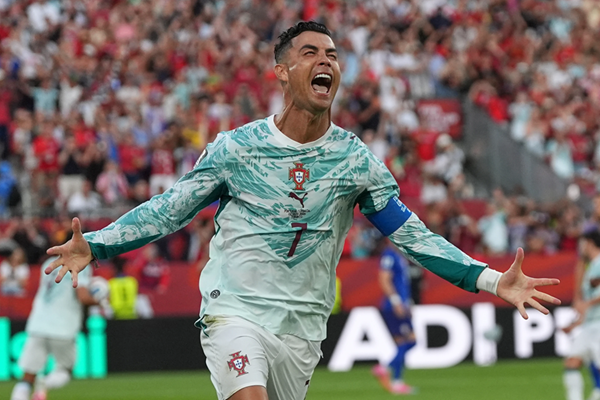


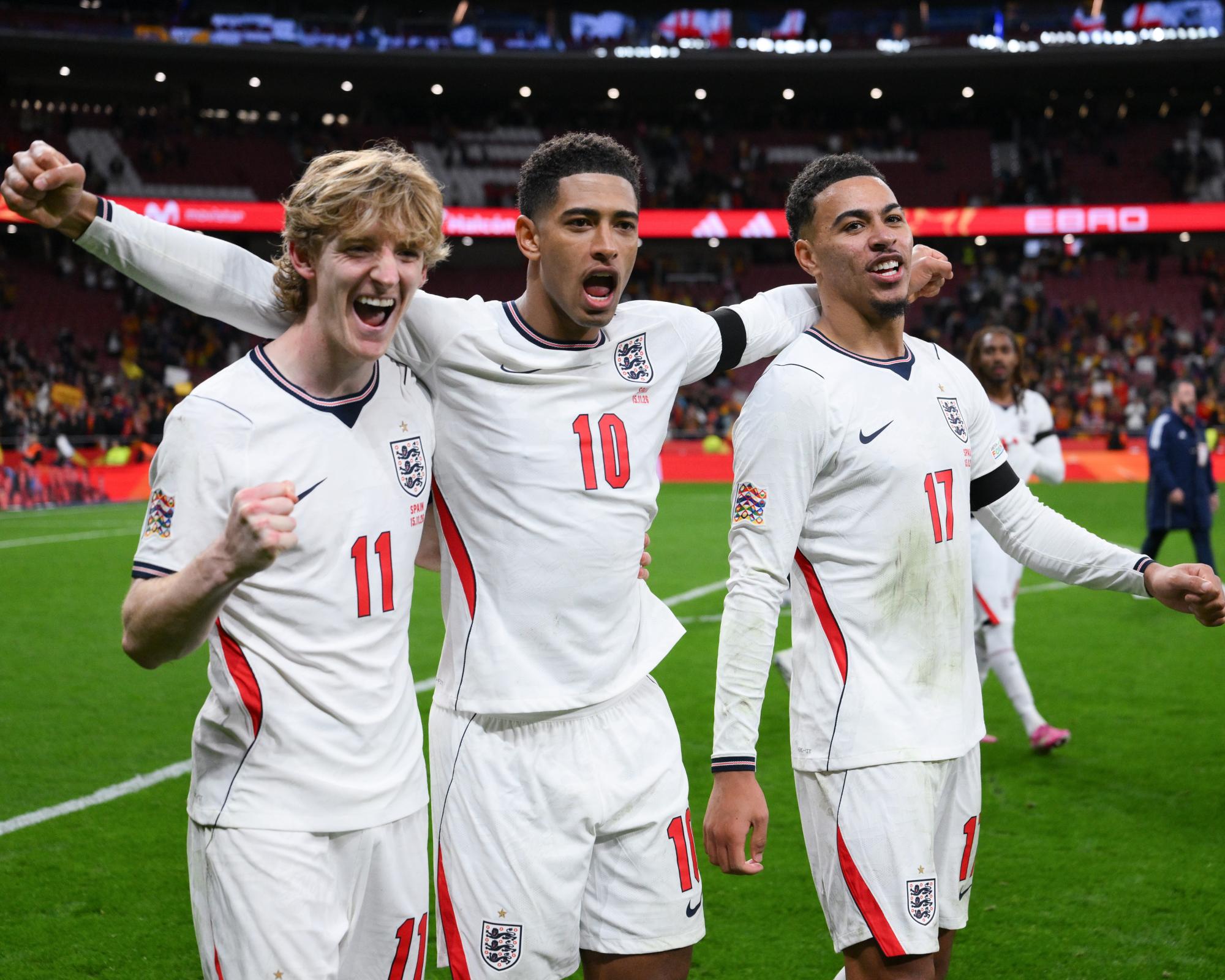
“Another angle on the same week.”
 INT
Rice owns his World Cup dip, now feels back
Declan Rice doesn't usually do self-criticism in public, but ahead of England's Nations League meeting with Spain the Arsenal midfielder got there before anyone else could: his World Cup, he admits, was average.
The day's football, in your inbox at 7 AM. Nothing else.
Pick of the night's matches, what the transfer window's doing, and the one column you should read today. No ads. No tips. No operators.
One-click unsubscribe. We do not share emails.
Comments
Loading comments…