 FUL1
FUL1 MAN1
MAN1 BOU0
BOU0 LIV1
LIV1 LEE0
LEE0 CRY0
CRY0 MNC5
MNC5 SUN3
SUN3 NFO0
NFO0 COV1
COV1 BHA3
BHA3 ARS0
ARS0 EVE1
EVE1 IPS0
IPS0 NEW2
NEW2 HUL1
HUL1 TOT2
TOT2 AVL3
AVL3 NOR3
NOR3 BOL4
BOL4 WOL1
WOL1 WBA0
WBA0 BIR2
BIR2 MID2
MID2 BUR1
BUR1 DER1
DER1 LCN1
LCN1 SWA2
SWA2Photo: apnews.com
FIFA vs UEFA: the World Cup power struggle
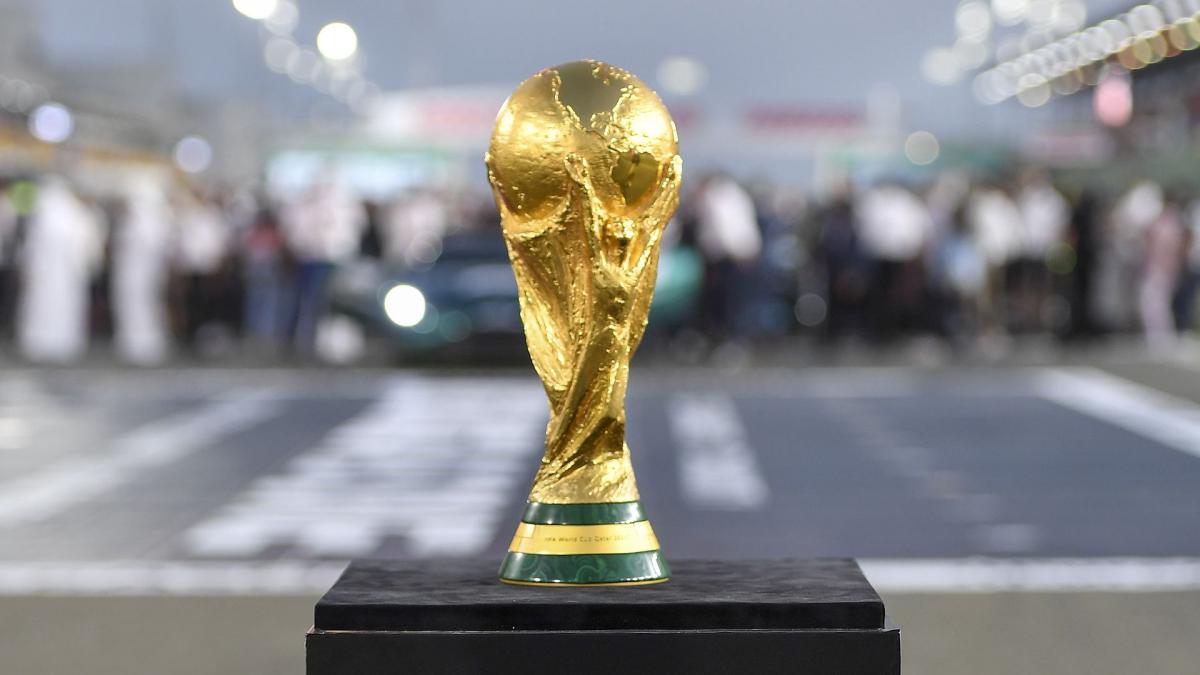
UEFA threatening to boycott the World Cup is not a sentence you expect to type on a Tuesday — but here we are. FIFA has launched a consultation on selling stakes in a commercial entity built around World Cup rights, and UEFA's response has been about as measured as you'd expect: walk, or we walk.

What FIFA is actually proposing
The details are still thin. According to Sky Sports, FIFA has opened a consultation on bringing private investors into a commercial entity tied to the World Cup — essentially, selling a stake in the machine that generates the tournament's commercial value. FIFA's public line, issued in response to the backlash, is that "nobody is selling football." Which is technically a thing you can say while still selling a meaningful piece of how football makes its money.
The exact nature of the stake, the identity of any potential investors, and the timeline of the consultation have not been confirmed. What has been confirmed is that the proposal exists and that it has landed badly enough to prompt a formal threat from the continent that runs the Champions League.
UEFA's position — and why it matters
UEFA threatening to pull its member associations from FIFA tournaments is not a procedural grumble. It is the nuclear option. A European boycott of the World Cup would hollow out the tournament commercially and competitively — and both sides know it. The threat is designed to be taken seriously, and FIFA's speed in issuing a public rebuttal suggests it is.
This is, at its core, a governance fight. For years, the tension between FIFA's global ambitions — the expanded 48-team World Cup, the revamped Club World Cup, the persistent flirtation with outside capital — and UEFA's instinct to protect the existing structure has simmered beneath the surface. This is that tension breaking through.
What privatising World Cup commercial rights would actually mean
If private investors take a stake in the entity that controls World Cup commercial rights, they acquire a claim on the revenues those rights generate — broadcast deals, sponsorships, licensing. The concern is straightforward: investors with a financial stake have interests that may not align with the sport's. Reinvestment into grassroots football, prize money distribution, tournament access — all of it becomes a negotiation with a party whose primary obligation is a return.
FIFA would argue that outside capital could fund growth and expand the game's reach. UEFA's counter is that the World Cup's commercial value was built by football, and football should own it.
Where this goes next
The consultation is ongoing, which means nothing is decided — but the fact that it has reached the point of a public UEFA boycott threat and a FIFA press statement suggests the two bodies are not quietly working this out over coffee. Someone is going to have to move.
FIFA said nobody is selling football. UEFA clearly isn't convinced — and right now, it's the organisation with the leverage to make that conviction hurt.
Sources1 source
Flagside's editors read every piece we publish. We work from the football press, write our own copy rather than reprinting anyone's, and check each article for accuracy and sourcing. Every outlet that fed into this piece is named under Sources.

The day's football, in your inbox at 7 AM. Nothing else.
Pick of the night's matches, what the transfer window's doing, and the one column you should read today. No ads. No tips. No operators.
One-click unsubscribe. We do not share emails.
Comments
Loading comments…