
 ARS
ARS LEE
LEE AVL
AVL BRE
BRE CHE
CHE BOU
BOU IPS
IPS FUL
FUL SUN
SUN BHA
BHA MAN
MAN TOT
TOT WHU
WHU QPR
QPR CHA
CHA BRC
BRC SWA
SWA NOR
NOR WBA
WBA BIR
BIR BLK
BLK CAR
CAR BOL
BOL STK
STK DER
DER WXM
WXM MID
MID WOL
WOL
The stadium in Kansas City before kick-off, with Argentina and Switzerland flags spread across the pitch for the national anthems.
IFAB, FIFA and the red card that split football's rule-makers
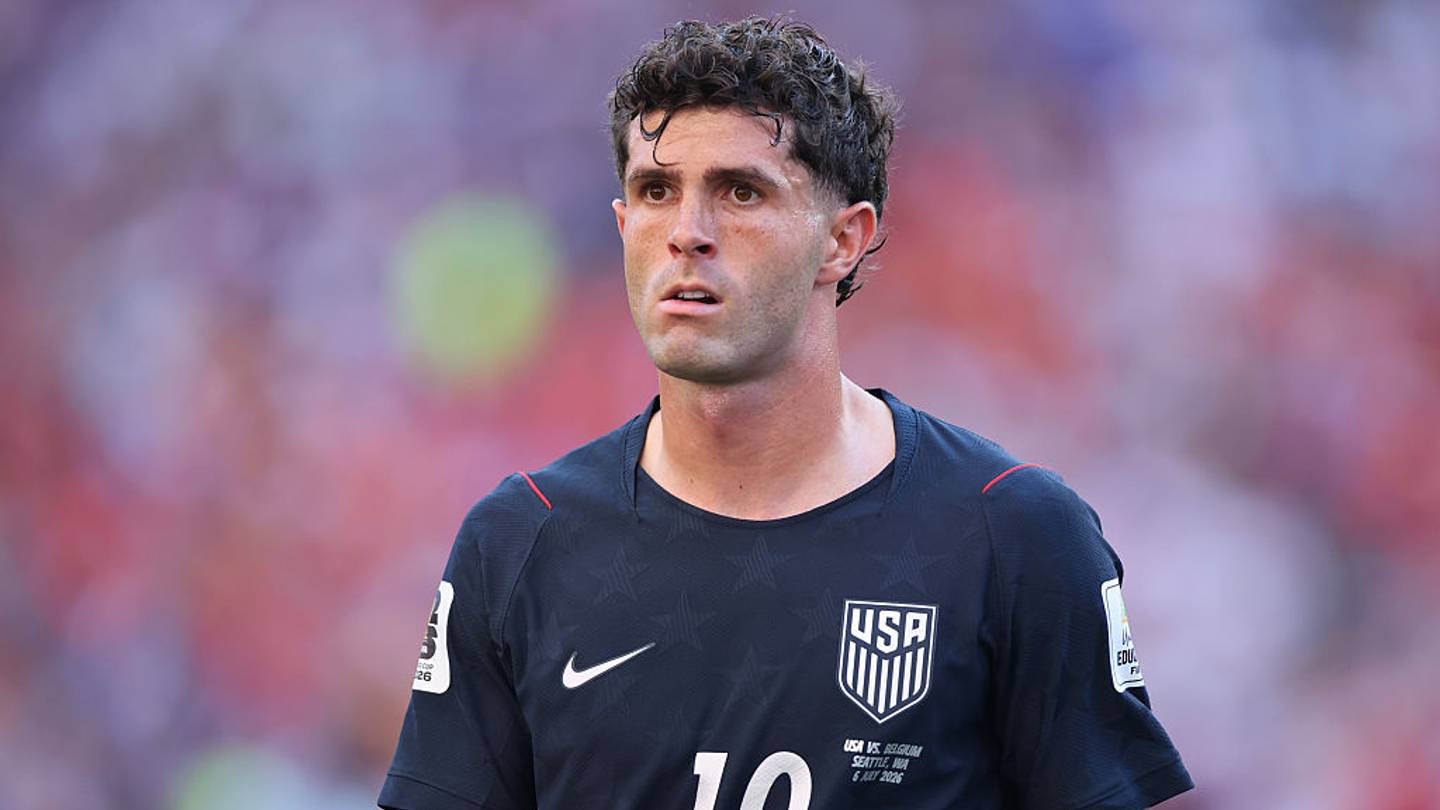
Breel Embolo was sent off in the 72nd minute of a 1-1 quarter-final. What followed was a public disagreement between football's rule-makers and football's governing body — and most of the coverage missed it.
Written with AI and checked automatically before publishing. How we work
Argentina beat Switzerland three goals to one after extra time on 11 July 2026 in Kansas City. The match turned, in the most contested sense, on a sequence that began around the 71st minute.
Leandro Paredes challenged Embolo. Embolo went down. Referee Joao Pinheiro of Portugal awarded the foul to Switzerland and showed Paredes a yellow card. Then the video assistant referee intervened. The conclusion reached was that Paredes had not fouled Embolo and that Embolo had gone down without contact. Pinheiro rescinded Paredes's yellow card and showed Embolo one for simulation instead. It was Embolo's second yellow of the match. He was dismissed in the 72nd minute with the score at 1-1.
The score was still 1-1 when Embolo left the pitch. Julian Alvarez scored from distance in extra time and Lautaro Martinez added a third. Argentina advanced to a semi-final against England in Atlanta.
On 28 July 2026, IFAB issued a circular. It stated that a card 'can only be reviewed to identify the player who committed the offence that was penalised; the offence itself cannot be reviewed/changed.' IFAB said this use of the provision was not eligible for that type of incident at this World Cup, and that it might be permitted in future competitions once its review concludes. Under the laws as written, the video assistant referee may not intervene on an ordinary yellow card and may not review simulation unless it relates to a penalty or a straight red card.
The mistaken identity provision exists for a specific situation: when the referee cards the wrong player for an offence that did happen. The video assistant referee may then be used to identify the correct player. What happened against Switzerland was different — the video assistant referee did not correct who was punished. It changed what the offence was, from a foul by Paredes into simulation by Embolo.
That distinction is the load-bearing one. IFAB addressed the process. It did not rule that Embolo had been fouled, did not overturn the dismissal and did not annul the result. Much of the coverage did not hold that line. Several outlets reported the circular as IFAB confirming that Embolo should not have been sent off. ESPN framed it as the video assistant referee process being wrong. Those are different claims from the one IFAB actually made.
FIFA then said something different still. In a statement posted on X, a FIFA spokesperson said: 'FIFA's interpretation of mistaken identity was applied consistently throughout the World Cup.' On the decision itself: 'We do not consider that this was an error by the referee or the VAR, and the decision was a correction for justice.' FIFA also said it had been in contact with IFAB throughout and that IFAB 'have confirmed that this interpretation is correct, that it has been well received.'
So football's rule-making body issued a circular that was widely read as calling the dismissal improper. Football's governing body said the dismissal was correct and that the rule-makers had confirmed as much. Those two positions do not sit easily together, and neither body has since resolved the gap publicly.
On the football question itself, Al Jazeera reported that most analysts agreed with the on-field conclusion — that Embolo had gone down without contact. The referee, after the video assistant referee review, judged it simulation, and that reading was largely shared by those who examined the footage. The likeliest reading of the whole episode is that the officials reached a defensible answer by a route the written laws did not permit.
Pinheiro applied a provision that IFAB's own circular said did not cover the situation. The failure the circular describes is one of protocol, not of the underlying call on the pitch. Argentina went on to the final, where Spain beat them one goal to nil after extra time on 19 July at MetLife Stadium in East Rutherford, New Jersey.
Sources7 sources
ESPN, CNN, Goal, Al Jazeera, NPR, Outlook India, Tdwildcats3 (Wikimedia Commons)
- [1] https://www.espn.com/soccer/match/_/gameId/760513/switzerland-argentina
- [2] https://www.cnn.com/2026/07/28/sport/breel-embolo-red-card-decision-world-cup-ifab
- [3] https://www.goal.com/en/news/fifa-in-an-official-statement-embolo-s-dismissal-a-correction-for-justice-and-it-met-with-the-approval-of-the-ifab/blt1a9b67e80b7c7426
- [4] https://www.aljazeera.com/sports/2026/7/12/what-was-the-mistaken-identity-red-card-shown-in-argentina-vs-switzerland
- [5] https://www.npr.org/2026/07/11/nx-s1-5888612/2026-world-cup-fifa-argentina-switzerland-quarterfinal
- [6] https://www.outlookindia.com/sports/football/argentina-vs-switzerland-fifa-world-cup-2026-quarter-final-ifab-confirms-wrong-refereeing-decision-breel-embolo-red-card
- [7] CC BY 4.0
We name and link every outlet this article draws on, and rewrite their reporting in our own words rather than reprinting it.


The day's football, in your inbox at 7 AM. Nothing else.
Pick of the night's matches, what the transfer window's doing, and the one column you should read today. No ads. No tips. No operators.
One-click unsubscribe. We do not share emails.
Comments
Loading comments…