
 FUL1
FUL1 MAN1
MAN1 BOU0
BOU0 LIV1
LIV1 LEE0
LEE0 CRY0
CRY0 MNC5
MNC5 SUN3
SUN3 NOR3
NOR3 BOL4
BOL4 WOL1
WOL1 WBA0
WBA0 BHA1
BHA1 AVL1
AVL1 CRY0
CRY0 TOT7
TOT7 WHU0
WHU0 EVE1
EVE1 CEL0
CEL0 RAN1
RAN1 NCD
NCD SOL
SOL FIJ
FIJ VAN
VAN DMA
DMA AIA
AIA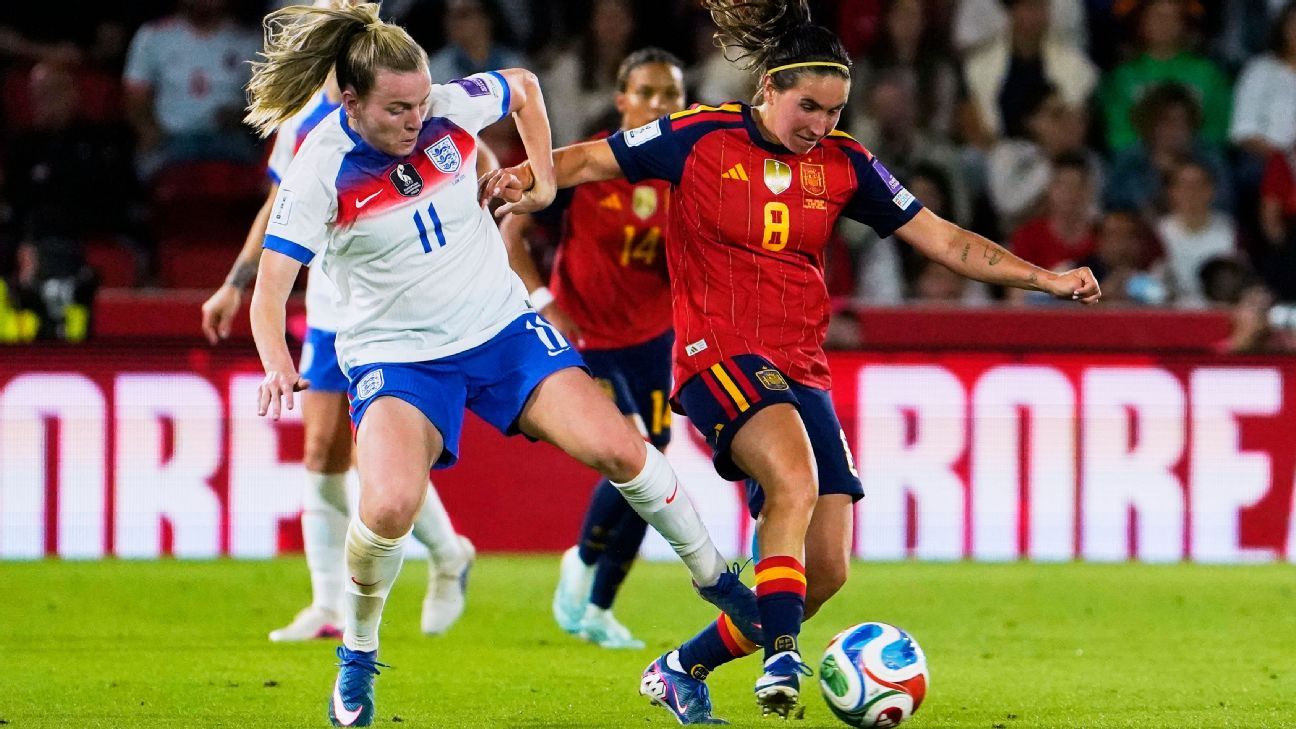
Photo: ESPN FC
The Women's World Cup caught in the crossfire
The women's game has spent the better part of a decade building toward a moment like 2027 — bigger audiences, bigger sponsors, bigger stakes. The last thing it needed was to become a bargaining chip in a power struggle between Gianni Infantino and European football's governing body. Yet here we are.

The dispute, briefly
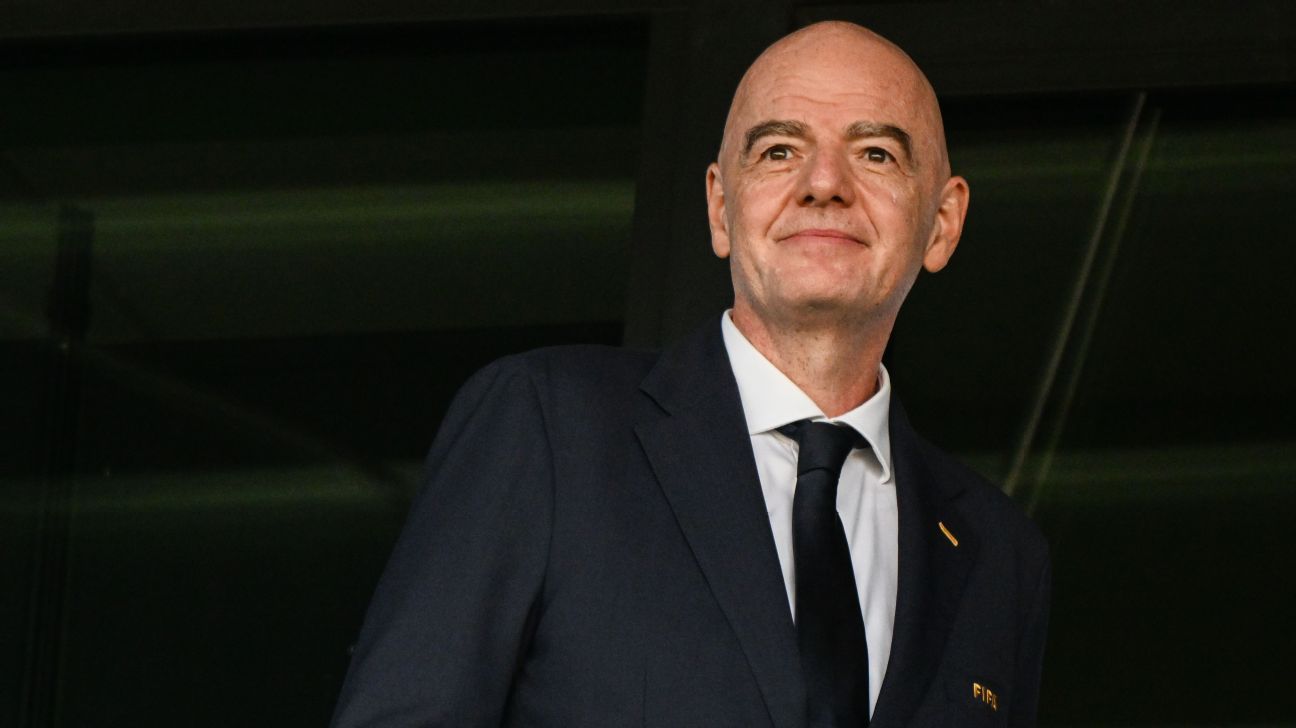
Infantino's push to expand and restructure FIFA's major competitions — including the men's World Cup format and scheduling — has, according to ESPN FC, pushed UEFA and other confederations toward the kind of language that doesn't normally surface in football governance: boycott. No federation has formally filed a withdrawal notice, and the ESPN piece leans analytical rather than breaking, so the exact temperature of any threat remains unclear. Note: this article is based on a single ESPN FC analytical piece; no second independent outlet or official FIFA/UEFA statement has corroborated the specific claims at time of publication. What is clear is that the relationship between FIFA and UEFA has deteriorated to the point where the word is being used at all.
Why the Women's World Cup is in the frame
The 2027 Women's World Cup — awarded to Brazil — sits inside the window where any formal rupture between FIFA and its most powerful confederation would do maximum damage. UEFA members supply a significant portion of the tournament's competitive depth, its broadcast appeal, and its commercial value. A scenario in which European nations withdraw, even partially or in protest, would hollow out the event at precisely the moment the women's game is most capable of capitalising on its own momentum.
That momentum is real. The 2023 edition in Australia and New Zealand set attendance and viewership records. Sponsorship interest in women's football has accelerated. The 2027 tournament in Brazil has the geography and the football culture to push things further still. None of that survives a governance crisis in one piece.
Infantino's problem — and football's
The irony is that Infantino has consistently positioned himself as a champion of expanding football's global footprint. The 48-team men's World Cup, the revamped Club World Cup, the push into new markets — all framed as growth. But the method has repeatedly antagonised the confederations whose cooperation he needs to make any of it work. UEFA, under Aleksander Čeferin, has been the most vocal counterweight.
When the two sides are fighting over the men's calendar and the men's tournament structure, that's an internal football argument. When the fallout starts threatening a Women's World Cup, it stops being internal.
What actually needs to happen
No formal boycott has been confirmed. The 2027 Women's World Cup is not cancelled, not under immediate threat, and not yet officially compromised. But the fact that it is appearing in the same sentence as a FIFA-UEFA breakdown is a measure of how badly relations have frayed — and how little buffer exists if they fray further. The Brazil tournament cannot afford to absorb a confederation-level walkout and still deliver on the commercial and competitive promise the women's game has spent a decade building.
Sources1 source
Flagside's editors read every piece we publish. We work from the football press, write our own copy rather than reprinting anyone's, and check each article for accuracy and sourcing. Every outlet that fed into this piece is named under Sources.

The day's football, in your inbox at 7 AM. Nothing else.
Pick of the night's matches, what the transfer window's doing, and the one column you should read today. No ads. No tips. No operators.
One-click unsubscribe. We do not share emails.
Comments
Loading comments…