
 KAZ0
KAZ0 FRO1
FRO1 IND1
IND1 URU1
URU1 BIH1
BIH1 POL0
POL0 FRA4
FRA4 BEL1
BEL1 ITA3
ITA3 TUR1
TUR1 MNE0
MNE0 ARM0
ARM0 NIR0
NIR0 GEO0
GEO0 ROU0
ROU0 SWE1
SWE1 UKR1
UKR1 HUN2
HUN2 CYP2
CYP2 LVA1
LVA1 CHN0
CHN0 TJK1
TJK1 KOR2
KOR2 UZB0
UZB0 LIE0
LIE0 GIB2
GIB2 RWA0
RWA0 KEN0
KEN0
When fandom turns into state defence
It starts as loyalty to a football club and ends, for a vocal minority, as loyalty to the government that owns it. That slide didn't happen overnight, and it has everything to do with how Manchester City's rise was received, reported and then litigated.
Written with AI and checked automatically before publishing. How we work
A club bought by a state, not a businessman
Manchester City have been owned since 2008 by Abu Dhabi United Group, a vehicle for Sheikh Mansour bin Zayed Al Nahyan, a member of Abu Dhabi's ruling family and a senior figure in the United Arab Emirates government. That is not incidental detail. It is the single fact that separates City's ownership model from almost every other big European club bought by a billionaire or a hedge fund: the money behind the shirts is also the money behind a state.
That distinction is exactly why critics reach for the word sportswashing when discussing City, as they do with Newcastle's Saudi ownership or Paris Saint-Germain's Qatari backers. The accusation is that the club is a reputational tool, a way of making a state's name synonymous with Pep Guardiola's football rather than its human rights record or its foreign policy. Supporters of those clubs hear that accusation constantly, in match previews, in Champions League build-up, in op-eds. For a subset of fans, the repetition itself becomes the problem.
Siege mentality is an old City trait, repurposed
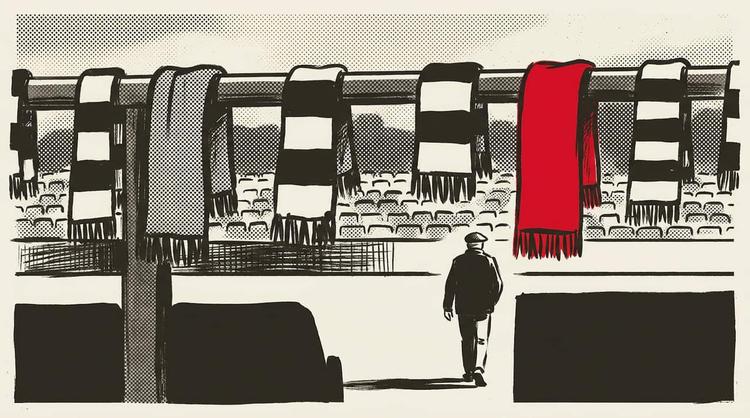
City fans had a persecution complex long before Sheikh Mansour arrived: decades as the unglamorous half of Manchester bred a culture of feeling overlooked, patronised and refereed against. That instinct didn't disappear when the club started winning everything. It mutated. Where it used to be aimed at Manchester United or the English football establishment, it now gets aimed at journalists, rival fans and institutions who raise the ownership question at all.
The mechanism is straightforward tribal psychology: when criticism of the state becomes inseparable from criticism of the club, defending the club starts to require defending the state. A fan who would never otherwise have an opinion on Emirati governance ends up making the case for it, because the two have been fused in the argument they're having. Once you're defending a regime in the comments under a football account, you have stopped having a football conversation.
The 115 charges made it worse
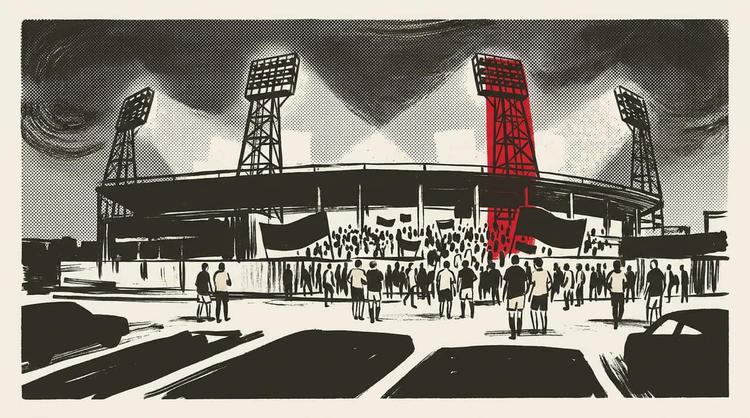
The Premier League's long-running case against City, built around more than a hundred alleged breaches of financial rules, has sharpened this dynamic rather than calmed it. For a section of the fanbase, the charges are not read as a regulatory process but as confirmation that the whole project, from the start, has been a conspiracy by jealous rivals and a hostile press to take down a club that dared to beat the old order. That framing turns any scrutiny of the ownership, the state behind it, or the case itself into an attack to be repelled, and repelling it increasingly means arguing the virtues of Abu Dhabi as a backer and a place.
It matters here that the case is specifically about financial rules, not about the ownership's politics. But in fan arguments those two things blur constantly, because the loudest external critics tend to bundle them together too: the sportswashing argument and the spending argument arrive from the same direction, in the same breath, so they get defended together as well.
Winning accelerates the identity fusion
None of this works without success. A struggling club bankrolled by a state attracts curiosity, not zealotry. City's trophy haul since 2008, built on genuinely excellent football under Guardiola as much as on spending power, gave fans something to be proud of that long predates the ownership question for most of them emotionally, even though it is inseparable from it structurally. That pride becomes the thing worth protecting, and the state that financed it becomes collateral protection almost by accident.
This isn't unique to City, but City shows the pattern clearest
The same mechanism exists at Newcastle and at PSG, wherever a state-linked owner meets a passionate fanbase and sustained success. City are simply the furthest down that road: the longest-running project, the most trophies, the most sustained external criticism, and now the most serious regulatory case hanging over it. Put those four things together and a hardened, defensive, occasionally regime-apologist fringe isn't a mystery. It's close to inevitable.

The day's football, in your inbox at 7 AM. Nothing else.
Pick of the night's matches, what the transfer window's doing, and the one column you should read today. No ads. No tips. No operators.
One-click unsubscribe. We do not share emails.
Comments
Loading comments…