


UEFA's World Cup boycott threat, explained
Photo: sports.yahoo.com
What's actually happening
ESPN reported on Wednesday that UEFA has convened the emergency session in direct response to FIFA's push to sell a stake in the World Cup to private investors. The specific structure of FIFA's proposal has not been independently confirmed, but UEFA gathering every single one of its 55 member associations at short notice signals how seriously European football's leadership is taking this.
A boycott has not been decided. What sources are telling ESPN is that it is on the table — and the fact it has reached the table at all is the real headline.
Why this would be seismic
European nations are the backbone of the World Cup. Strip out UEFA's members and you lose the majority of the tournament's global television audience, most of its commercial value, and a significant chunk of its competitive credibility. FIFA knows this. UEFA knows FIFA knows this. The threat of a walkout is, in that sense, the heaviest lever European football has ever publicly considered pulling.
The 2026 World Cup is already underway in the United States, Canada and Mexico — which makes the timing of this rupture all the more extraordinary. Thursday's meeting lands mid-tournament.
What it means for FIFA's commercial ambitions
FIFA president Gianni Infantino has spent years pushing the organisation toward a more commercially aggressive model — expanded tournaments, new competitions, and now, reportedly, external investment in the World Cup itself. The resistance from UEFA is not new in principle, but an emergency session weighing collective action is a different order of opposition entirely.
Private investment in a tournament of this scale would raise fundamental questions about governance, revenue distribution, and who controls the sport's most valuable asset. Those are exactly the questions UEFA's members will be sitting down to ask on Thursday.
What we don't know yet
The outcome of Thursday's meeting is unknown. The specific terms of FIFA's proposal remain unconfirmed beyond what ESPN's sources have described. And a boycott — even as a negotiating position — carries enormous consequences for the national associations, players, and fans who would bear the cost of any walkout. None of that makes the threat less real. It makes Thursday's meeting one of the most consequential gatherings in football governance in a very long time.
Someone in Zurich is having a difficult Wednesday evening.
Sources1 source
We name and link every outlet this article draws on, and rewrite their reporting in our own words rather than reprinting it.
More on Internationals
See more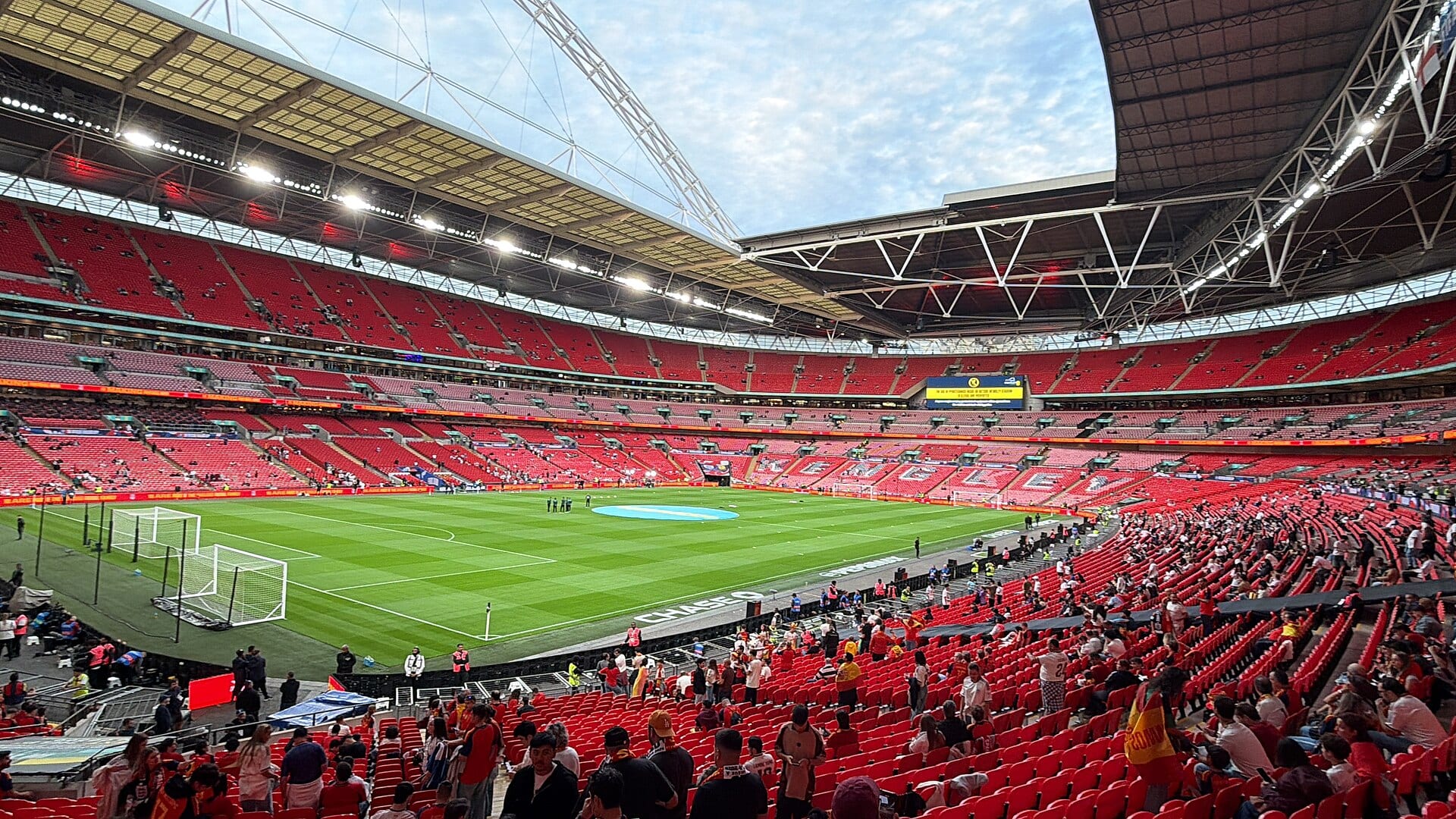



“Another angle on the same week.”
 INT
England beat Spain 3-2, and belief is back
England went to Spain and won, and for a country that has made a habit of flattering to deceive against the big nations, a 3-2 victory away from home on Sunday has done exactly what these results tend to do: reopen the…
The day's football, in your inbox at 7 AM. Nothing else.
Pick of the night's matches, what the transfer window's doing, and the one column you should read today. No ads. No tips. No operators.
One-click unsubscribe. We do not share emails.
Comments
Loading comments…