
 ARS
ARS LEE
LEE AVL
AVL BRE
BRE CHE
CHE BOU
BOU IPS
IPS FUL
FUL SUN
SUN BHA
BHA MAN
MAN TOT
TOT CRY
CRY NFO
NFO HUL
HUL EVE
EVE LIV
LIV MNC
MNC COV
COV NEW
NEW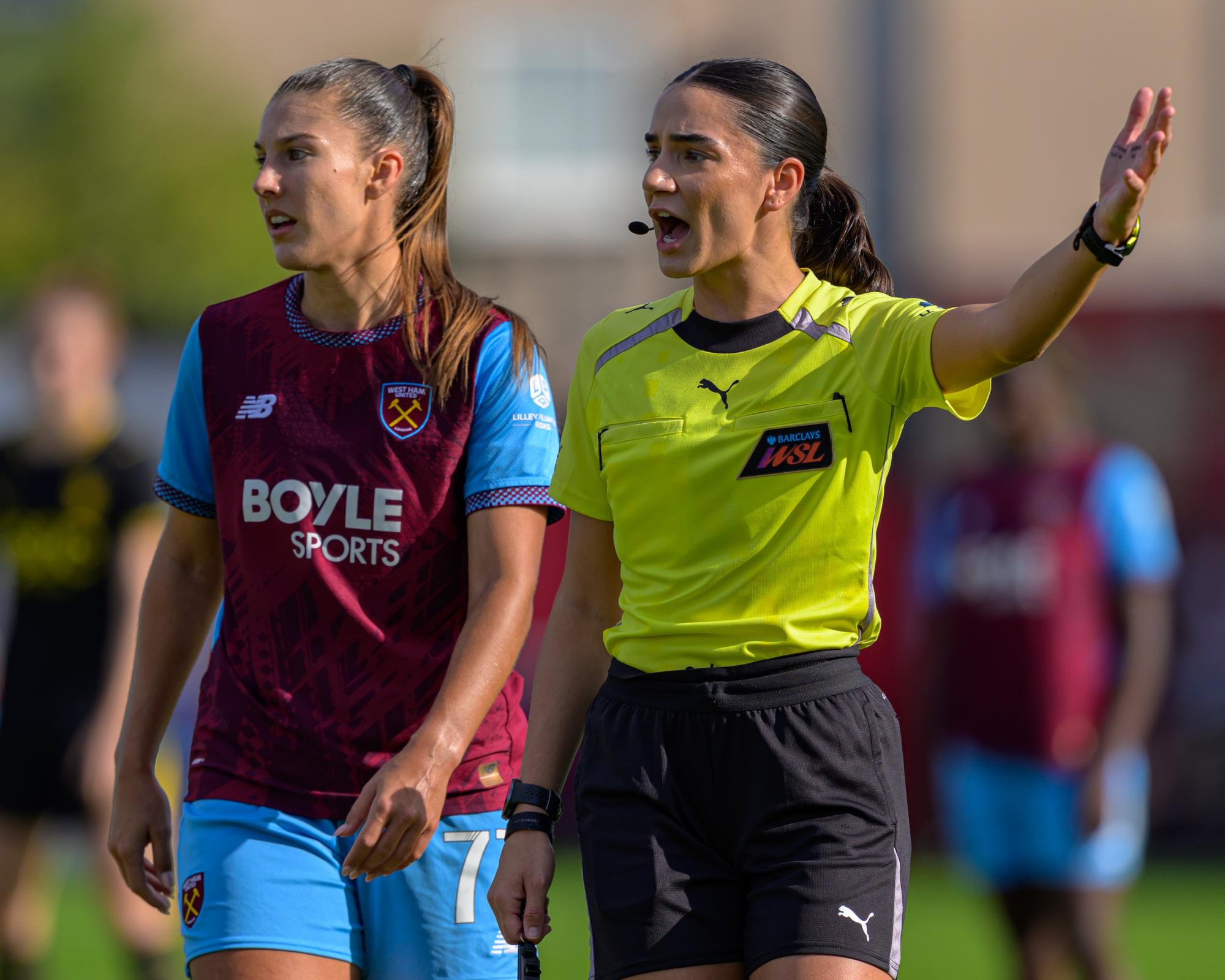
Photo: aol.co.uk
WSL gets referee funding, but not full-time refs
The Women's Super League board has signed off on extra funding for match officials, which sounds like progress until you read the small print: full-time referees still won't exist in England's top flight until 2029 at the earliest.
Written with AI and checked automatically before publishing. How we work
The decision came out of a WSL Football board meeting and lands as a genuine step forward on paper. More money for officiating is more money for officiating, and in a league that's spent years being compared unfavourably to the men's game on exactly this point, any increase matters.
But the headline number here isn't the funding boost. It's the date. 2029 is still three full seasons away, and that gap is where the actual story sits.
What the money is actually for
The Guardian's report doesn't spell out the scale of the increase, which clubs stand to benefit, or exactly what interim measures the cash will fund before full-time status arrives. That detail matters, because a funding boost that pays for better training, more video review support or improved fitness programmes for part-time officials is a different thing to one that just pads existing budgets. Right now, the WSL hasn't said which.
What's clear is the timeline itself. Full-time referees are the standard in the Premier League and across most of the men's professional pyramid, where officiating is treated as a specialist, year-round job rather than something squeezed around other work. The WSL has been open about wanting parity on this front for years. The 2029 target is the clearest marker yet of how far that ambition still sits from reality.
Why the wait matters on the pitch
Player welfare and officiating consistency tend to go hand in hand, and that's the practical cost of the delay. Part-time referees training around other jobs and other commitments is not automatically a worse system, but it is a less resourced one, and resourcing is exactly what full-time status is meant to fix: more time on the laws of the game, more time on fitness, more time on the specific demands of covering elite women's matches week to week.
Clubs have been pushing for faster progress precisely because officiating standards are one of the clearest, most visible markers of league maturity. Fans notice decisions. Players notice inconsistency. A funding increase without a faster full-time timeline risks being read as a gesture rather than a fix.
A three-year gap clubs still have to close
The WSL board has moved, and that's worth recording as real progress rather than dismissing it. But professionalising officiating on a three-year runway, in a league that continues to grow its attendances, broadcast reach and overall profile, keeps inviting the same question: why the pace of change in the boardroom keeps lagging behind the pace of change on the pitch.
For now, WSL clubs get better-funded officiating sooner. They just don't get the full-time refereeing standard that would put the question to bed, not for another three seasons at least.
Sources1 source
We name and link every outlet this article draws on, and rewrite their reporting in our own words rather than reprinting it.



The day's football, in your inbox at 7 AM. Nothing else.
Pick of the night's matches, what the transfer window's doing, and the one column you should read today. No ads. No tips. No operators.
One-click unsubscribe. We do not share emails.
Comments
Loading comments…