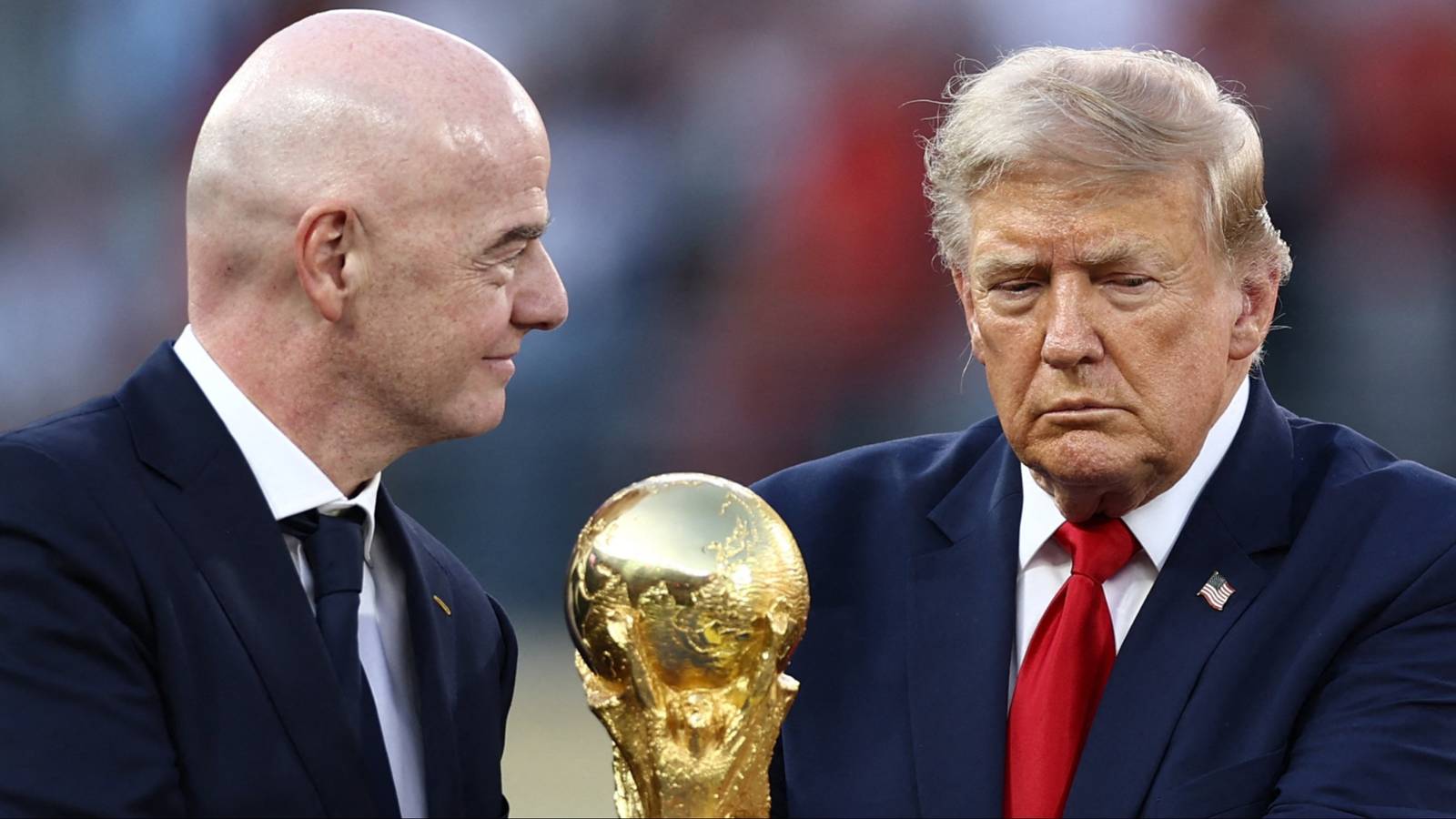
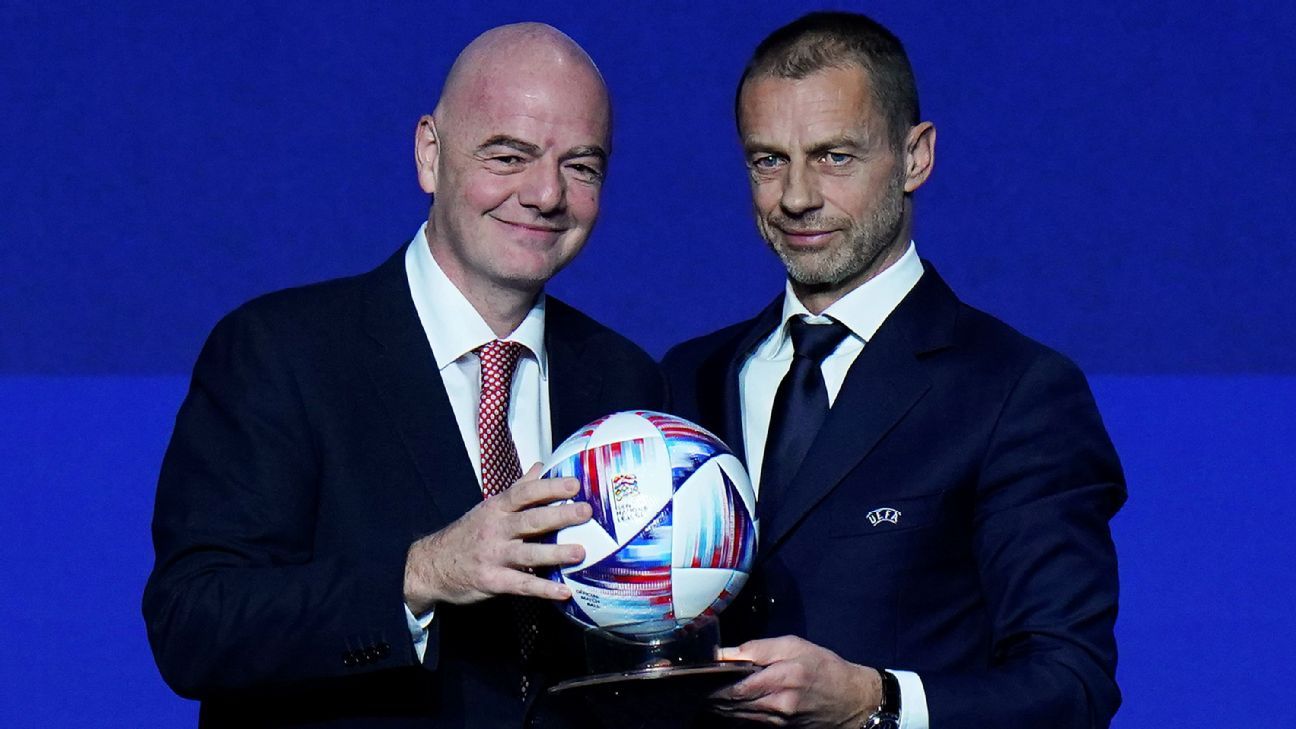
FIFA is moving fast on a plan to expand the World Cup to 64 teams — potentially as soon as 2030 — and the timeline suggests a formal decision could land before the year is out. According to The Guardian, the governing body has already opened a tender for research companies to assess the economic case, with analysis due by 11 September. That's not a consultation. That's a countdown.
The current 48-team format hasn't even reached its second edition — the expanded World Cup debuts in the United States, Canada and Mexico in 2026 — and FIFA is already drawing up blueprints for the next leap. Going from 48 to 64 teams would mean 16 more nations, a significantly longer tournament, and a group stage that would dwarf anything the sport has previously staged at senior level.
The Guardian reports that the research tender is live, with findings expected by 11 September. The Guardian also reports that a formal decision on expansion could follow before the end of 2026. No decision has been confirmed yet — this is still a plan under active consideration — but the pace of the process is striking.
A 64-team World Cup is a fundamentally different tournament. More teams means more group games, more knockout rounds, and a longer window carved out of an already-congested football calendar. Player welfare campaigners and club executives — who have spent the last two years fighting over the Club World Cup schedule — will not greet this news quietly.
The sporting integrity question is sharper still. The jump to 48 teams was already criticised for diluting the group stage, with a three-team group format initially proposed before FIFA settled on a 12-group structure of four. Adding another 16 nations pushes the tournament further toward a situation where the early rounds function more as qualification playoffs than genuine competition between the world's best.
FIFA's counterargument will be economic and developmental: more nations represented, more broadcast markets engaged, more revenue. The research tender is specifically focused on economic benefits — a detail that reflects where the governing body's priorities sit.
What's striking about the timeline is how little room it leaves for meaningful pushback. If the analysis lands in September and a decision follows before 2027, the 2030 World Cup — co-hosted across Spain, Portugal, Morocco, Argentina, Uruguay and Paraguay — would have its format locked in with minimal public debate. Federations, players' unions, and fans would essentially be presented with a fait accompli.
FIFA has run this play before. The 48-team expansion was confirmed in 2017 with the 2026 tournament already assigned. The Club World Cup expansion was pushed through over sustained opposition from European clubs. The 64-team proposal follows the same playbook: move quickly, commission the economic case, announce the conclusion.
FIFA did not respond to requests for comment — but then, they rarely need to.
This article is based on reporting by The Guardian. No official FIFA statement has been issued.
FIFA is moving fast on a plan to expand the World Cup to 64 teams — potentially as soon as 2030 — and the timeline suggests a formal decision could land before the year is out.
Quellen
The Guardian — Football
Flagside-Artikel sind Eigenrecherchen aus mehreren Quellen. Wir nennen jedes Outlet, das in den Text geflossen ist.
Die Highlights der Nacht, was das Transferfenster macht und die eine Kolumne, die du heute lesen solltest. Keine Ads. Keine Tipps. Keine Operator.
Ein-Klick-Abmeldung. Wir geben deine E-Mail nicht weiter.
“Stays on World Cup — different angle, same beat.”
 INT
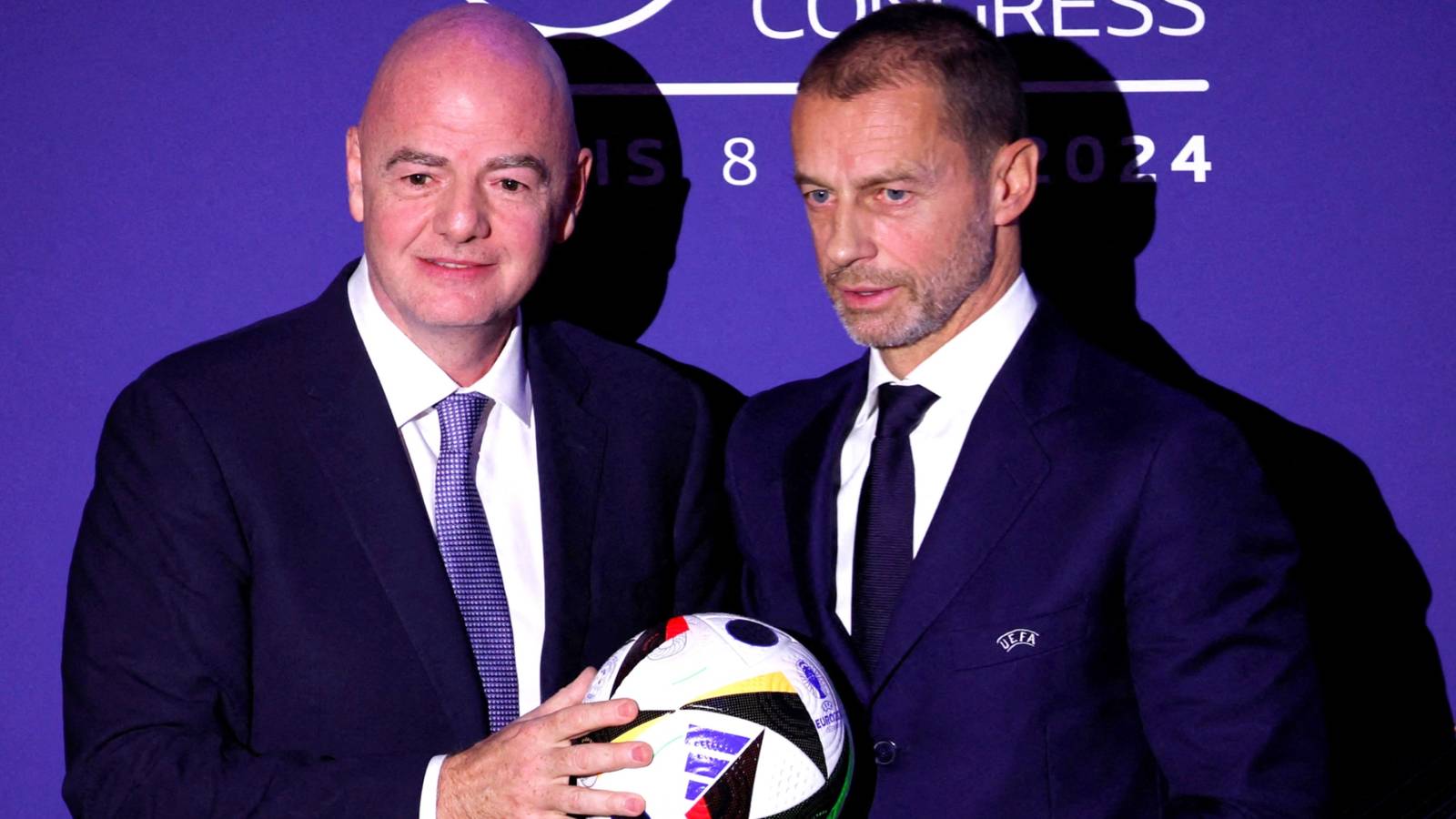
INTFIFA has released a statement addressing its 2026 World Cup plans after UEFA raised the possibility of a boycott — and if that sentence reads like something from a fever dream, that's because it proba
“Stays on World Cup — different angle, same beat.”
INTFIFA has released a statement addressing its 2026 World Cup plans after UEFA raised the possibility of a boycott — and if that sentence reads like something from a fever dream, that's because it proba