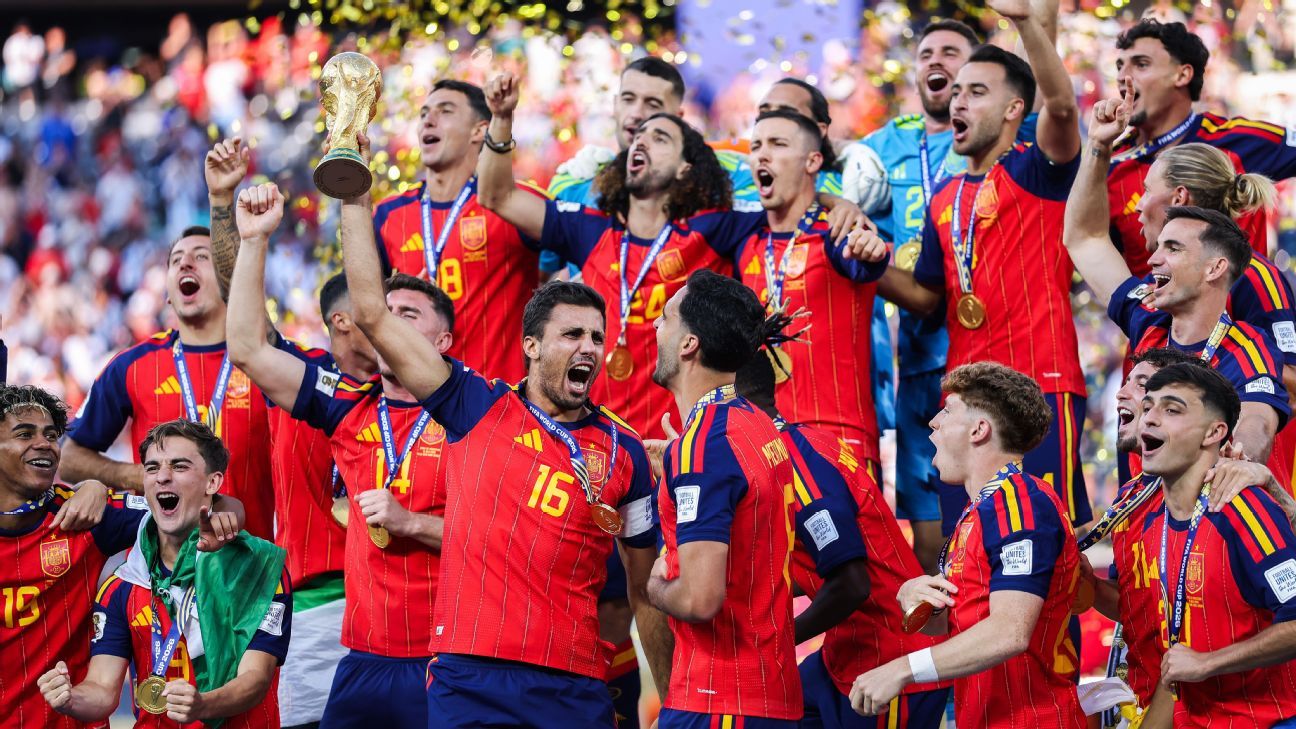
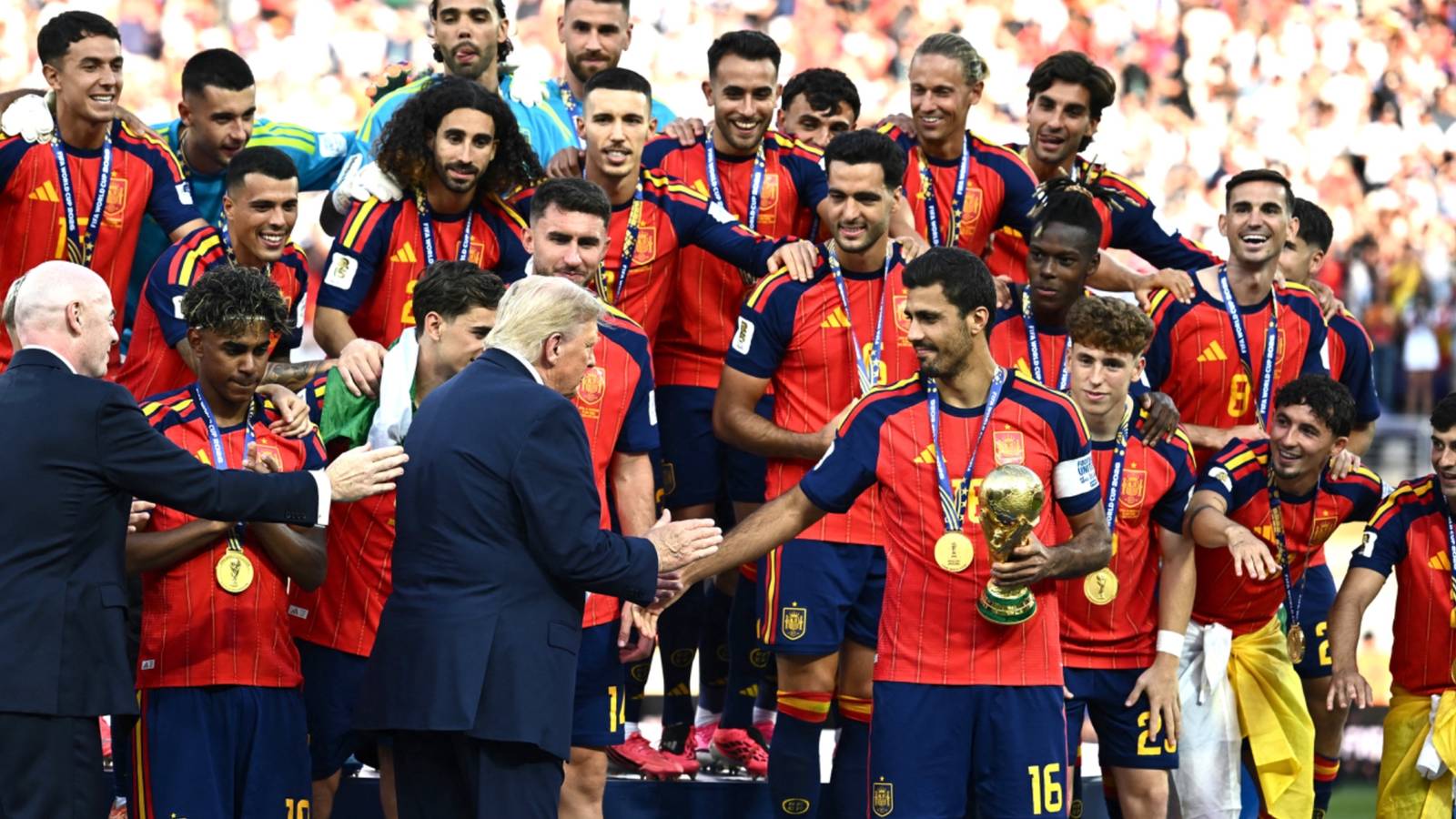
Every World Cup needs a story. In 2026, the story wasn't a name on the back of a shirt — it was the absence of one. Spain lifted the trophy in July without a marquee goal-scorer, without a single transcendent individual, and without any of the superstar dependency that has defined the modern game. What they had instead was a system, a squad, and a defensive structure that nobody could crack.
The 2026 tournament was supposed to belong to someone. That's how these things work — a Mbappé final, a Haaland golden boot, a Vinícius moment that lives forever on a loop. Spain didn't offer any of that. No single player carried the weight. No one name dominated the press conferences or the highlight reels in the way the sport has come to expect from a champion.
What Spain had was collective attacking quality — a rotating cast of contributors rather than one fixed star — and an elite defensive organisation that made them genuinely difficult to play through. The combination, unglamorous as it sounds, was enough.
The superstar era in football is real. Lionel Messi won Argentina a World Cup in 2022 in a way that felt almost personal — as if the tournament existed to resolve a career-long argument. Kylian Mbappé has spent the better part of a decade being positioned as the next vessel for that kind of individual narrative. Erling Haaland's entire existence in football is framed around numbers, records, and the question of whether he can do it on the biggest stage.
Spain answered a different question entirely: can you win the whole thing without leaning on any of that? The answer is yes — provided your defensive structure is elite and your attacking threat is distributed widely enough that opponents can't simply nullify one player and call it a plan.
No one in the Spain squad looked at the floor for four full seconds after scoring. There was no single moment of individual genius that the tournament will be remembered by. That might be the point.
Clubs will still spend enormous fees on marquee forwards. International managers will still build systems around their best individual. The superstar era doesn't end because one tournament went a different way.
But Spain's 2026 win does add a data point to a genuine debate. Collective organisation, defensive solidity, and distributed attacking threat can beat individual brilliance when the system is good enough and the squad depth is real — and now there's a World Cup trophy to prove it.
Every World Cup needs a story. In 2026, the story wasn't a name on the back of a shirt — it was the absence of one. Spain lifted the trophy in July without a marquee goal-scorer, without a single transcendent individual,…
Fuentes
ESPN FC
Los artículos de Flagside son redacciones originales sintetizadas de múltiples fuentes. Citamos cada medio que alimentó la pieza.
Lo mejor de los partidos de la noche, qué está haciendo la ventana de traspasos, y la columna que debes leer hoy. Sin anuncios. Sin pronósticos. Sin operadores.
Desuscripción con un clic. No compartimos emails.
“Stays on World Cup — different angle, same beat.”
 SELECCIONES
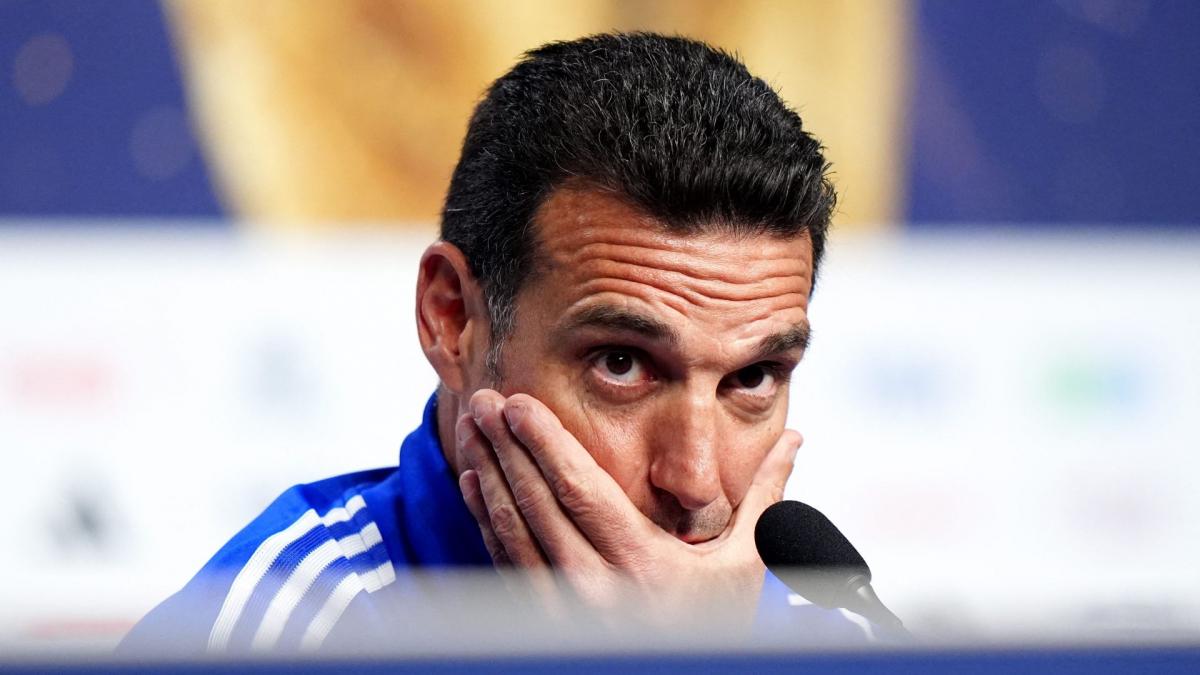
Most coaches, forty-eight hours after losing a World Cup final, are still staring at the ceiling. Lionel Scaloni went in front of the cameras and said Spain were better. That's it. No disputed decisio
“Stays on World Cup — different angle, same beat.”
SELECCIONESMost coaches, forty-eight hours after losing a World Cup final, are still staring at the ceiling. Lionel Scaloni went in front of the cameras and said Spain were better. That's it. No disputed decisio

%22%20%2F%3E%0A%20%20%3Crect%20width%3D%22100%25%22%20height%3D%22100%25%22%20fill%3D%22url(%23glow)%22%20%2F%3E%0A%20%20%3Cg%20transform%3D%22rotate(2%2C%20600%2C%20337.5)%22%3E%0A%20%20%20%20%3Crect%20x%3D%22-200%22%20y%3D%22418.5%22%20width%3D%221600%22%20height%3D%222%22%20fill%3D%22%23E4002B%22%20opacity%3D%220.097%22%20%2F%3E%0A%20%20%20%20%3Crect%20x%3D%22-200%22%20y%3D%22499.5%22%20width%3D%221600%22%20height%3D%221%22%20fill%3D%22%23E4002B%22%20opacity%3D%220.097%22%20%2F%3E%0A%20%20%3C%2Fg%3E%0A%20%20%3Ccircle%20cx%3D%22366%22%20cy%3D%22534%22%20r%3D%22325%22%20fill%3D%22%23E4002B%22%20opacity%3D%220.099%22%20%2F%3E%0A%20%20%3Ccircle%20cx%3D%22549%22%20cy%3D%22161%22%20r%3D%22140%22%20fill%3D%22%23E4002B%22%20opacity%3D%220.135%22%20%2F%3E%0A%20%20%3Ccircle%20cx%3D%22966%22%20cy%3D%22390%22%20r%3D%22252%22%20fill%3D%22%23E4002B%22%20opacity%3D%220.058%22%20%2F%3E%0A%20%20%3Ccircle%20cx%3D%22831%22%20cy%3D%22300%22%20r%3D%22361%22%20fill%3D%22%23E4002B%22%20opacity%3D%220.049%22%20%2F%3E%0A%20%20%3Ccircle%20cx%3D%22709%22%20cy%3D%22270%22%20r%3D%22231%22%20fill%3D%22%23E4002B%22%20opacity%3D%220.127%22%20%2F%3E%0A%20%20%3Ctext%20x%3D%2248%22%20y%3D%2264%22%0A%20%20%20%20%20%20%20%20font-family%3D%22'Taurus%20Grotesk'%2C%20system-ui%2C%20sans-serif%22%0A%20%20%20%20%20%20%20%20font-size%3D%2214%22%20font-weight%3D%22500%22%20letter-spacing%3D%222.5%22%0A%20%20%20%20%20%20%20%20fill%3D%22%23E4002B%22%20opacity%3D%220.85%22%3EINTERNACIONALES%3C%2Ftext%3E%0A%20%20%0A%20%20%3Ctext%20x%3D%221152%22%20y%3D%22647%22%0A%20%20%20%20%20%20%20%20text-anchor%3D%22end%22%0A%20%20%20%20%20%20%20%20font-family%3D%22'Taurus%20Grotesk'%2C%20system-ui%2C%20sans-serif%22%0A%20%20%20%20%20%20%20%20font-size%3D%2211%22%20font-weight%3D%22500%22%20letter-spacing%3D%222%22%0A%20%20%20%20%20%20%20%20fill%3D%22%23FFFFFF%22%20opacity%3D%220.45%22%3EFLAGSIDE.FOOTBALL%3C%2Ftext%3E%0A%3C%2Fsvg%3E)