Twenty-one years. That's how long football has made us wait. England and Argentina meet again on Wednesday — at a World Cup — and if you need a briefing on why this fixture carries more weight than almost anything else in international football, here's your briefing.
Most international rivalries need marketing. England vs Argentina does not. It has been written, rewritten, and argued about across six decades — not by journalists, but by the matches themselves. Every time these two nations have shared a pitch at a World Cup, something has happened that people are still talking about years later. Sometimes it's genius. Sometimes it's chaos. Usually both.
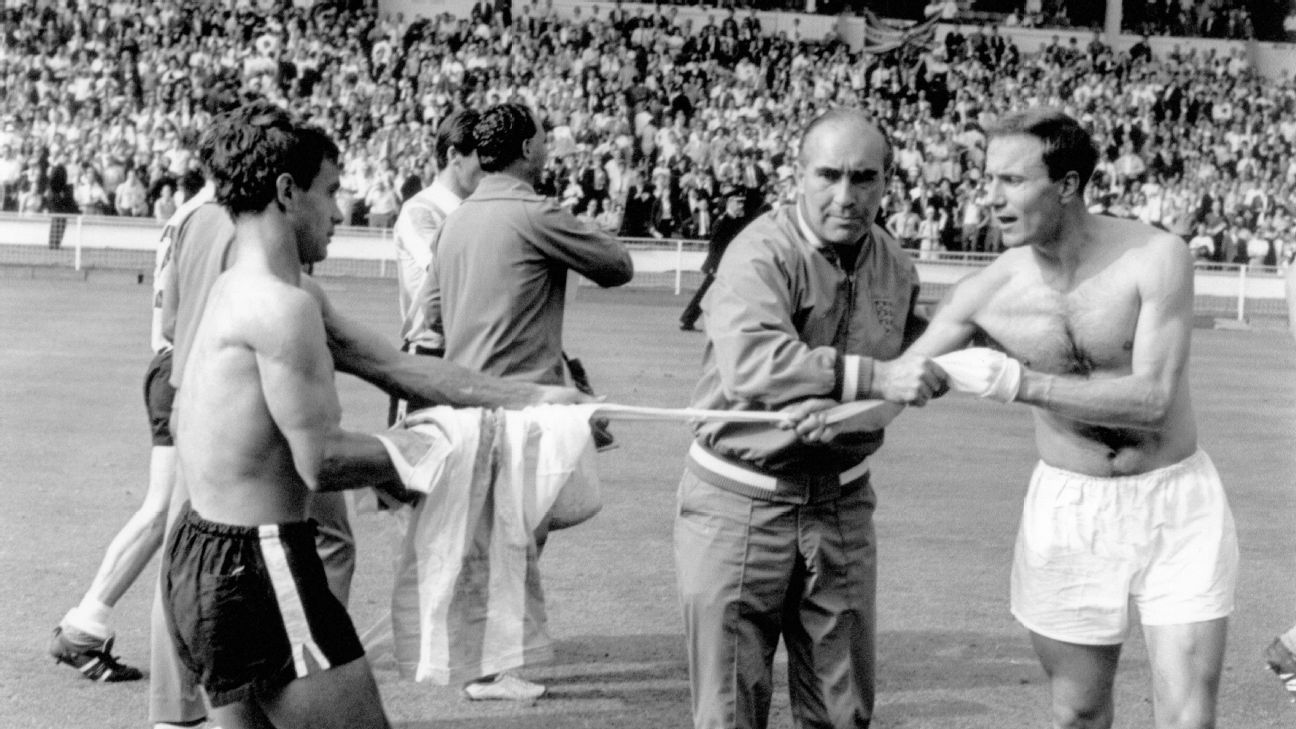
The 1966 quarter-final at Wembley set the template. Argentina's captain Antonio Rattín was sent off — controversially, for dissent — and refused to leave the pitch for nearly ten minutes. England won 1-0. The argument about whether the referee was right has never fully ended. That's the thing about this fixture: it doesn't produce clean narratives.
Then came Mexico '86. The quarter-final in the Azteca. Diego Maradona punched the ball into the net with his left hand, called it the Hand of God, and the referee gave it. Four minutes later, he picked the ball up in his own half and dribbled past five England players and the goalkeeper to score one of the greatest goals ever scored by anyone, anywhere. England lost 2-1. The two goals exist in permanent tension — the most dishonest and the most brilliant, in the same match, by the same man.
Maradona was asked about the first goal for the rest of his life. He never stopped smiling when he answered.
France '98 produced a different kind of drama. Michael Owen, 18 years old, received the ball 30 yards from goal, ran at the Argentina defence, and finished with a composure that made experienced players look ordinary. England led. Then Javier Zanetti equalised from a free-kick routine so well-worked it looked choreographed. Then David Beckham, on the floor, flicked a boot at Diego Simeone — who went down as if shot — and was sent off. England lost on penalties. Beckham was burned in effigy back home. He spent the next four years making the country apologise for that.
The match had everything: a wonder goal, a sending-off, a penalty shootout, a villain, a hero, and a result that felt wrong to everyone involved.
The two sides haven't met since a friendly in Geneva in 2005 — a low-stakes encounter that produced none of the above. This is not that. This is a World Cup fixture, the first between these nations at the tournament since that night in Saint-Étienne, and it arrives at a moment when both squads carry genuine weight.
According to ESPN FC, who published a deep-dive into the rivalry's history ahead of the match, the fixture has consistently delivered moments that transcend the sport — and the historical record makes it hard to argue otherwise. The exact venue and tournament stage remain unconfirmed at time of writing, but the match is scheduled for Wednesday.
Some fixtures are built up and then quietly disappoint. This one has a habit of doing the opposite.
Twenty-one years. That's how long football has made us wait. England and Argentina meet again on Wednesday — at a World Cup — and if you need a briefing on why this fixture carries more weight than almost anything else…
Sources
ESPN FC
Flagside articles are original write-ups synthesised from multiple sources. We cite every outlet that fed into the piece.
Pick of the night's matches, what the transfer window's doing, and the one column you should read today. No ads. No tips. No operators.
One-click unsubscribe. We do not share emails.
“Stays on World Cup — different angle, same beat.”
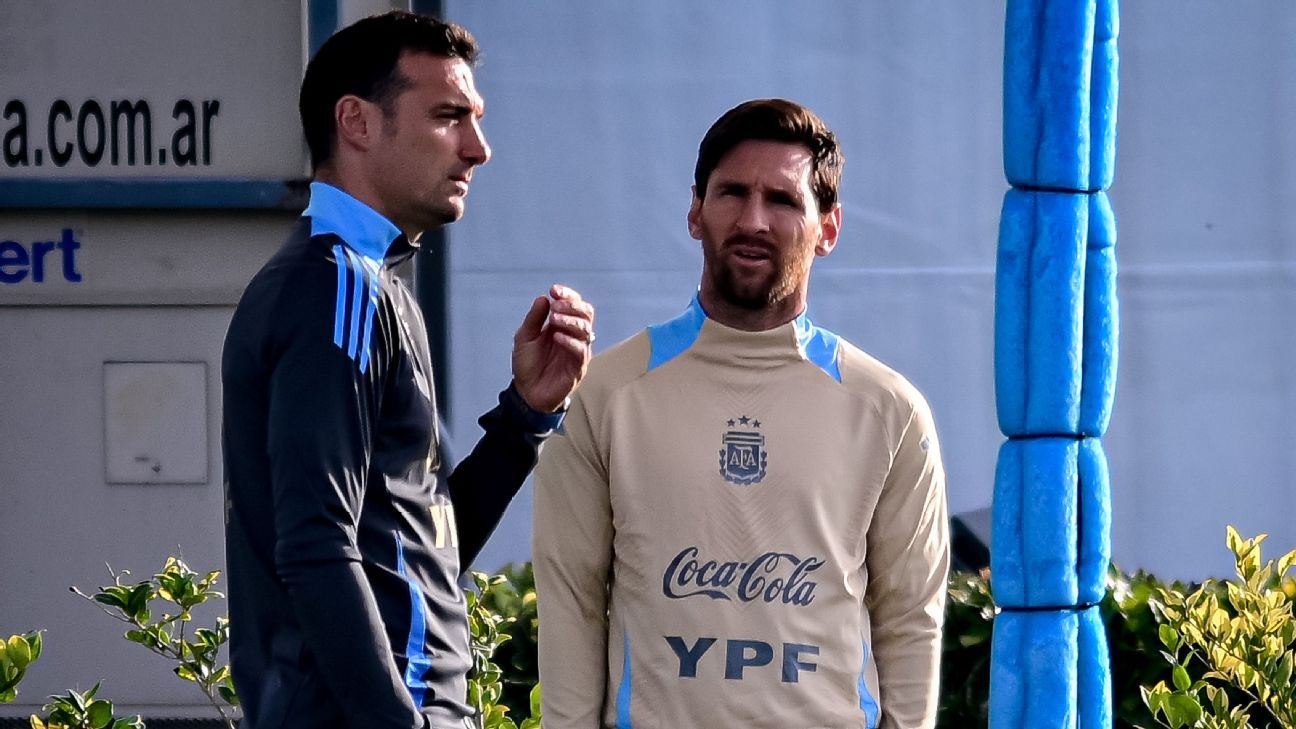
Lionel Scaloni has had enough of the noise. With a World Cup semifinal against England days away, Argentina's manager stepped in front of the cameras and pushed back — firmly — against the idea that h
“Stays on World Cup — different angle, same beat.”
Lionel Scaloni has had enough of the noise. With a World Cup semifinal against England days away, Argentina's manager stepped in front of the cameras and pushed back — firmly — against the idea that h