Manchester United have confirmed the acquisition of a 25-acre site near Old Trafford, securing what the club describe as the majority of the land required for their proposed 100,000-seater stadium. It is the most concrete move yet on a project that has spent years hovering somewhere between ambition and architecture render — and it changes the conversation entirely.
For a long time, the new United stadium existed in the same category as most grand football infrastructure promises: something to announce, something to consult on, something to revisit every eighteen months when the press needed a story. The 25-acre land acquisition, confirmed by the club on 22 June, is different. Land costs money. Land gets surveyed. Land does not stay in a PowerPoint.
According to Sky Sports, ESPN and the BBC, United have now secured the majority of the site they need — which means, by definition, not all of it. Some parcels are still outstanding. The club have not confirmed which, or how many, or what the holdouts look like. That detail matters: a single unresolved plot in the wrong place can stall a project for years, as anyone who has watched a British infrastructure scheme unfold will tell you without being asked.
At full capacity, this would be the largest sports venue in the United Kingdom — bigger than Wembley's 90,000, bigger than Twickenham, bigger than anything currently on the books. For context, Old Trafford holds just over 74,000 and is already the largest club ground in England. The jump to 100,000 is not incremental. It is a statement about where United see themselves commercially over the next thirty years, regardless of where they finish in the table.
The revenue implications are straightforward: more seats, more matchday income, more premium hospitality, more naming-rights leverage. The community implications are more layered. The Old Trafford area has been the subject of regeneration conversations for years, and a stadium project of this scale — with the construction jobs, the infrastructure investment, and the footfall it would generate — could reshape that part of Salford and Trafford in ways that go well beyond ninety minutes on a Saturday.
The land is the beginning, not the end. No confirmed timeline for a construction start has been reported. No planning permission has been granted. No completion date has been announced. The gap between acquiring a site and opening a stadium is measured in years and planning committees and environmental assessments and, almost certainly, a few very long nights for whoever is project-managing this.
United have not confirmed what percentage of the required land 'the majority' represents, which makes it genuinely difficult to gauge how close they are to having everything they need to submit a full planning application. The honest answer, right now, is that the project has moved from the realm of the theoretical into the realm of the procedural — which is progress, even if it is not a groundbreaking ceremony.
The corner flag at Old Trafford has been there since 1910. It is not going anywhere just yet.
Manchester United have confirmed the acquisition of a 25-acre site near Old Trafford, securing what the club describe as the majority of the land required for their proposed 100,000-seater stadium.
Sources
Sky Sports — Football, ESPN FC, BBC Sport — Football
Flagside articles are original write-ups synthesised from multiple sources. We cite every outlet that fed into the piece.
Pick of the night's matches, what the transfer window's doing, and the one column you should read today. No ads. No tips. No operators.
One-click unsubscribe. We do not share emails.
“Stays on Manchester United — different angle, same beat.”
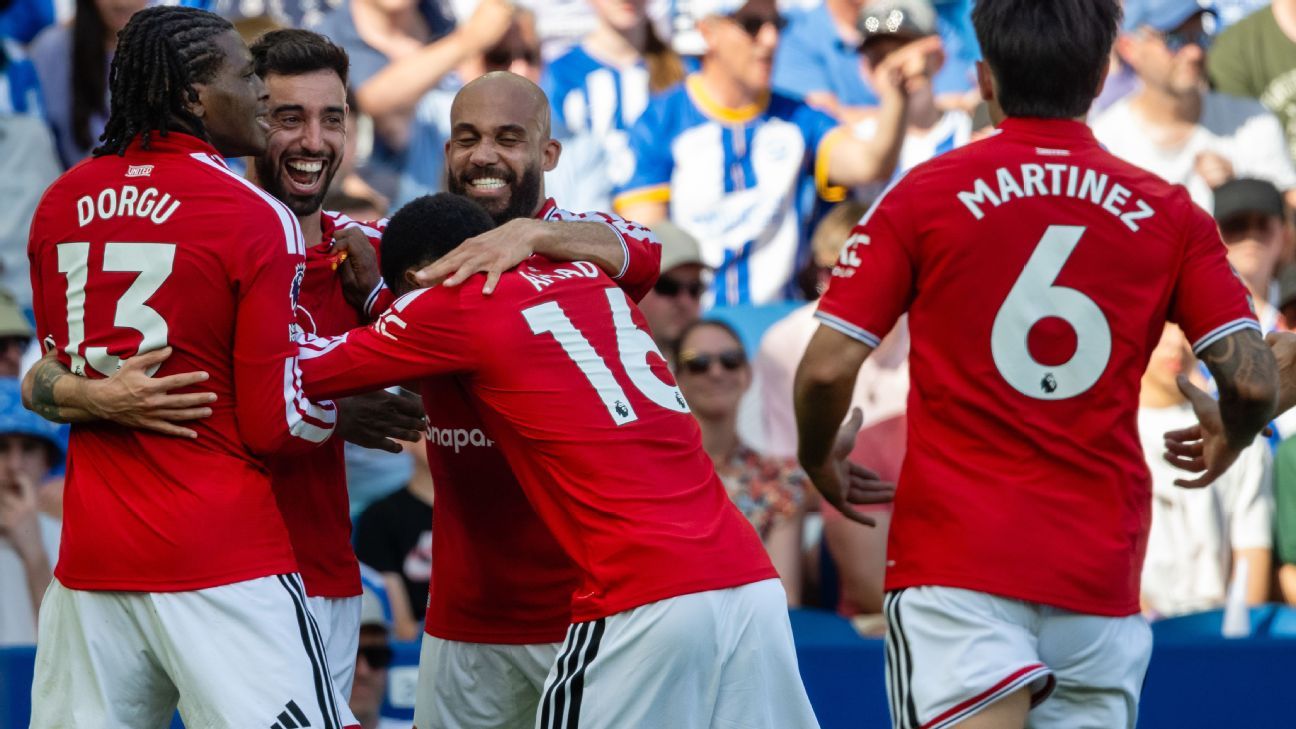
Bruno Fernandes has rewritten Premier League history. The Manchester United captain delivered his 21st assist of the season at Brighton on Saturday — a corner met by Patrick Dorgu's header — and in do
“Stays on Manchester United — different angle, same beat.”
Bruno Fernandes has rewritten Premier League history. The Manchester United captain delivered his 21st assist of the season at Brighton on Saturday — a corner met by Patrick Dorgu's header — and in do