
The referee finally responds to Tuchel
Photo: sports.yahoo.com
Alireza Faghani took charge of England's World Cup last-16 tie against Mexico on 5 July, a game that ended with the England manager publicly criticising his officiating. It was the kind of line that sticks: not a raging outburst, just a flat, dismissive verdict from a manager who rarely says anything he hasn't measured first. Faghani has now given his own account of that night, in a Guardian feature built around his experience of the match rather than any right of reply to Tuchel directly.
What comes through most is the setting. Faghani describes the noise inside the stadium as unbelievable, the kind of atmosphere that swallows a referee's whistle before it's even finished sounding. A World Cup last-16 tie in Mexico City, in front of a crowd close to 90,000, is not a neutral venue in any real sense, and Faghani's account leans into just how physically overwhelming that environment was to officiate in.
The calls Tuchel meant
The excerpt doesn't spell out which specific calls Tuchel was referring to, or which decisions Faghani is defending. We have a manager's blunt public rebuke and a referee's account of the conditions he was working in, but not yet a point-by-point reconciliation of the two. Whether Faghani directly addresses the flashpoints Tuchel had in mind, or simply frames the wider difficulty of the job that night, isn't something the available reporting settles.
Referees at this level almost never get a public platform mid-tournament, let alone months later, and when they do it tends to be carefully controlled. Faghani choosing to speak at all, even in general terms about the noise and the pressure, is unusual. It suggests either that the criticism stung enough to warrant a response, or that the Guardian feature was simply the right moment for a referee's-eye view of one of the tournament's more combustible nights.
Faghani's account of the noise
Tuchel's line wasn't hedged. "Just not good enough" is the sort of phrase that follows a referee around, especially attached to a World Cup knockout match with this much heat around it. Faghani's response doesn't erase that quote, but it does put a human account behind the whistle: a referee working inside a stadium roar loud enough to be worth mentioning on its own, trying to get big calls right in real time with 90,000 people making that as hard as possible.
Whether that context softens the criticism or just adds colour to it depends on details neither side has fully laid out yet. For now, England's exit and Tuchel's line remain the headline. Faghani's account is the first real attempt to explain what the whistle looked like from the other side of it.
Sources1 source
We name and link every outlet this article draws on, and rewrite their reporting in our own words rather than reprinting it.
More on Matchday Chaos
See more



“Another angle on the same week.”

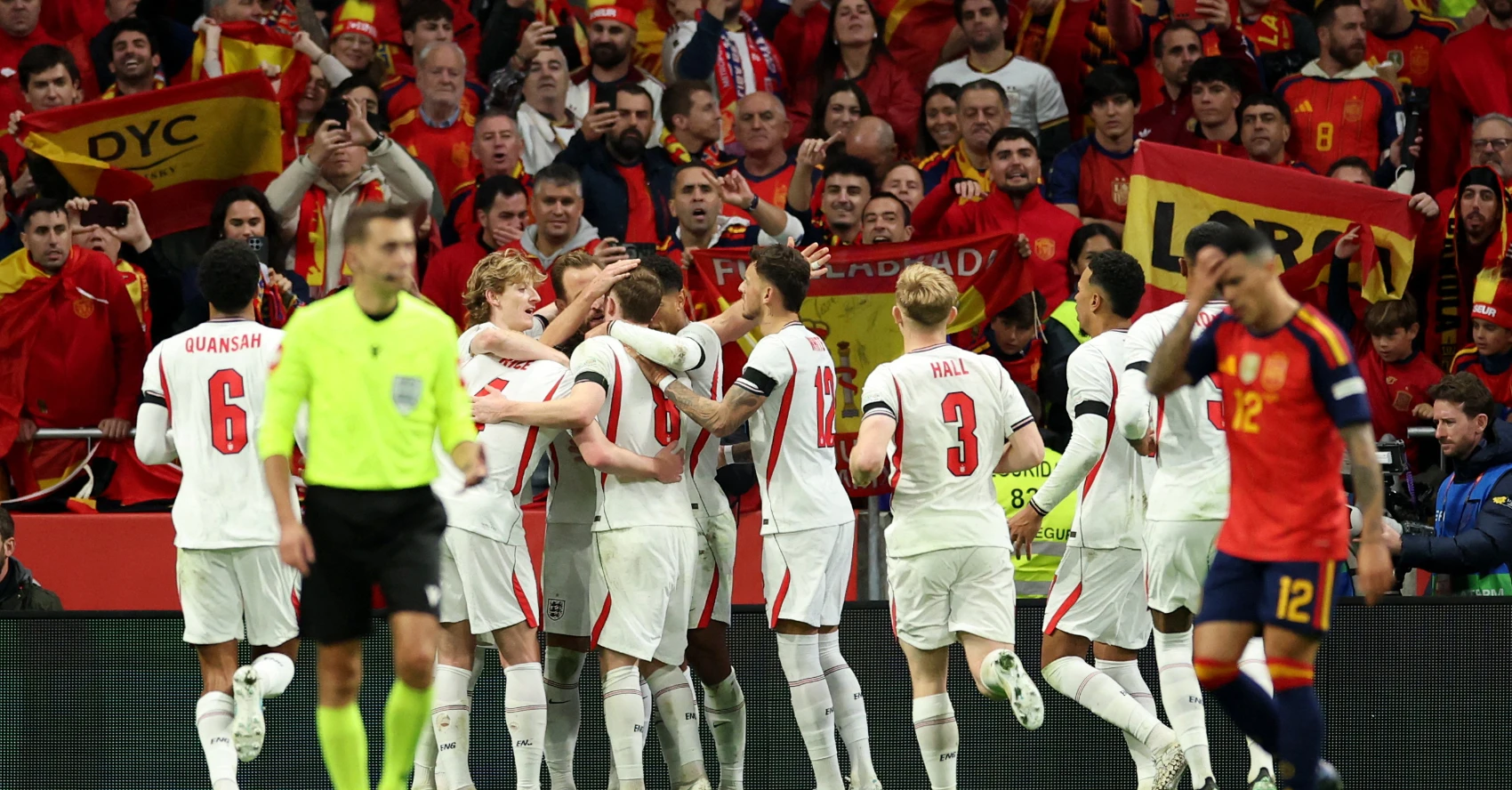
Why Tuchel is briefing England before facing Spain
Thomas Tuchel will sit his England squad down before Sunday's Nations League clash with Spain and run through UEFA's anti-racism protocols, which allow the captain and referee to warn, suspend or abandon a match if…
The day's football, in your inbox at 7 AM. Nothing else.
Pick of the night's matches, what the transfer window's doing, and the one column you should read today. No ads. No tips. No operators.
One-click unsubscribe. We do not share emails.
Comments
Loading comments…