

How long can a footballer be out with a hamstring injury?
It usually looks the same: a player in full stride, no contact with anyone, suddenly slows and clutches the back of his leg, often falling to the ground or hopping to a stop. He signals to the bench immediately, because he knows straight away something has gone. The physio jogs on, presses along the back of the thigh, asks him to try to walk, and within a minute or two he is helped off, usually unable to continue.
That moment is a hamstring strain, and how long it keeps him out depends on how severe the tear is underneath the skin. A mild strain, graded as grade 1, typically means one to two or three weeks out. A moderate tear, grade 2, usually means several weeks, often four to eight. A severe tear, grade 3, can mean months out, and in some cases it ends a player's season.
The hamstring is a group of muscles running down the back of the thigh, and they do a huge amount of work in sprinting, decelerating and changing direction. A grade 1 strain is a small number of muscle fibres stretched or slightly torn, painful but structurally minor, which is why a short rest and some careful loading gets a player back quickly. A grade 2 tear involves a larger portion of the muscle, with more fibres torn, more swelling and bruising, and a longer gap before the muscle can take full sprinting load again. A grade 3 is a much larger tear, sometimes a near-complete rupture of the muscle or its tendon, and that kind of damage simply takes months to heal and strengthen before anyone will let a player sprint flat out again.
What often gets missed is that the grade alone does not fully decide the timeline. Hamstring injuries are notorious for coming back worse the second time, so clubs tend to err on the side of caution even once a player feels ready. A medical team will usually want to see a player pass sprint tests, change-of-direction drills and full training sessions at matching intensity before clearing him for a game, rather than going by pain alone. That caution is why two players with what looks like the same injury on a scan can still return at noticeably different points, one club pushes the lower end of the window, another waits it out, because a reinjury so often means starting the clock all over again, sometimes with more damage than the first time.
More on Other football
See more

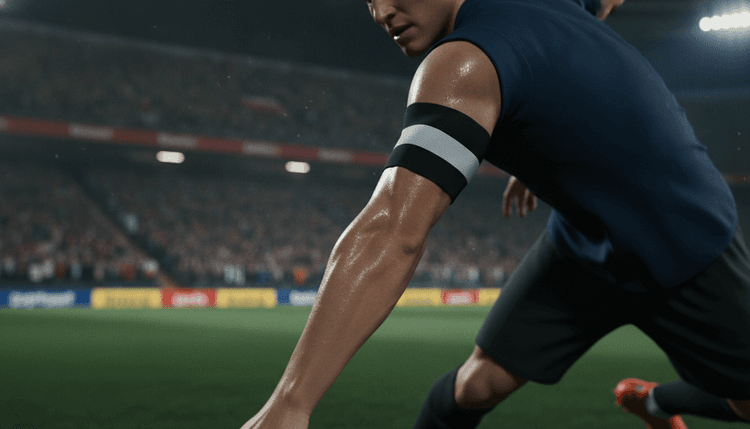
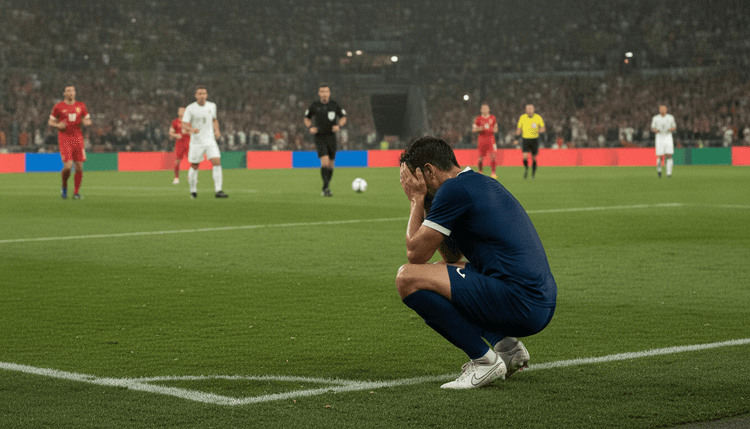


“Another angle on the same week.”
 MORE
What Happens When a Football Club Goes Into Administration?
A club's badge stays on the shirts and the fixtures still go ahead, but somewhere behind the scenes the owners have lost control of the cheque book. Here's what actually changes when the administrators walk in.
The day's football, in your inbox at 7 AM. Nothing else.
Pick of the night's matches, what the transfer window's doing, and the one column you should read today. No ads. No tips. No operators.
One-click unsubscribe. We do not share emails.
Comments
Loading comments…