
 FUL1
FUL1 MAN1
MAN1 BOU0
BOU0 LIV1
LIV1 LEE0
LEE0 CRY0
CRY0 MNC5
MNC5 SUN3
SUN3 VAL2
VAL2 RSO3
RSO3 DEP1
DEP1 BET1
BET1 VIL3
VIL3 LEV1
LEV1 ATM2
ATM2 RMA1
RMA1 GET1
GET1 MCF0
MCF0 TSG0
TSG0 CHI1
CHI1 ARR0
ARR0 KAI0
KAI0 MAR0
MAR0 ORL2
ORL2 MIL1
MIL1 DUR1
DUR1 DMA1
DMA1 AIA0
AIA0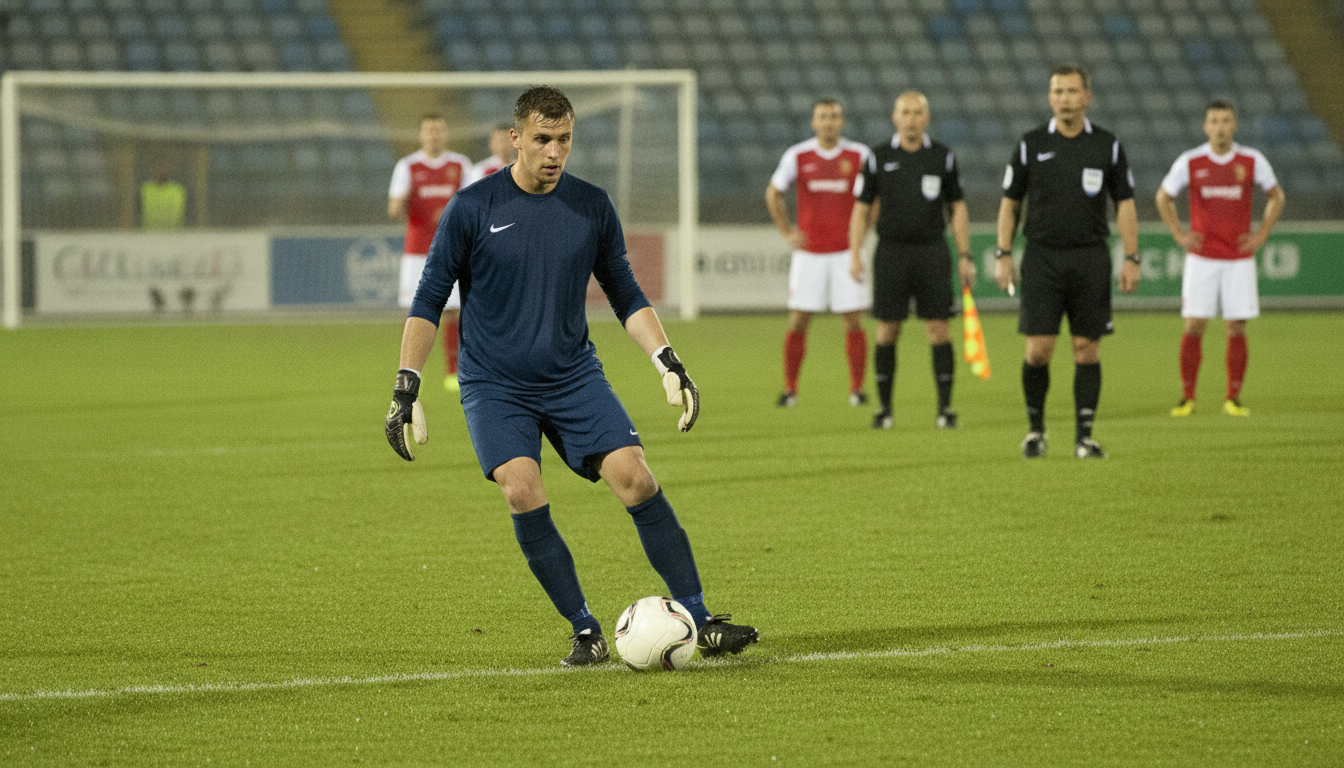
Can a goalkeeper take a penalty kick?
Can a goalkeeper take a penalty kick?
Picture a shootout that has gone on long enough that every outfield player has already had a turn, and now the goalkeeper is the one walking up to the spot. Is that even allowed?

It happens rarely, but it happens: a goalkeeper places the ball on the spot, the referee checks their name off, and they take the kick like anyone else. Nobody stops them, because nothing in the rules stops them.
The answer is yes. A goalkeeper is allowed to take a penalty kick. There is no clause anywhere in the Laws of the Game that reserves the penalty spot for outfield players, and no line that says a goalkeeper must stand aside.
The rulebook, IFAB's Laws of the Game, deals with penalties in Law 14, and when it talks about the person striking the ball it just calls them 'the kicker' or 'the player taking the penalty kick.' It never narrows that down by position. The only real requirement on the taker is procedural: 'The player taking the penalty kick must be clearly identified.' That's it. The referee needs to know who is about to kick the ball, not what gloves they usually wear.
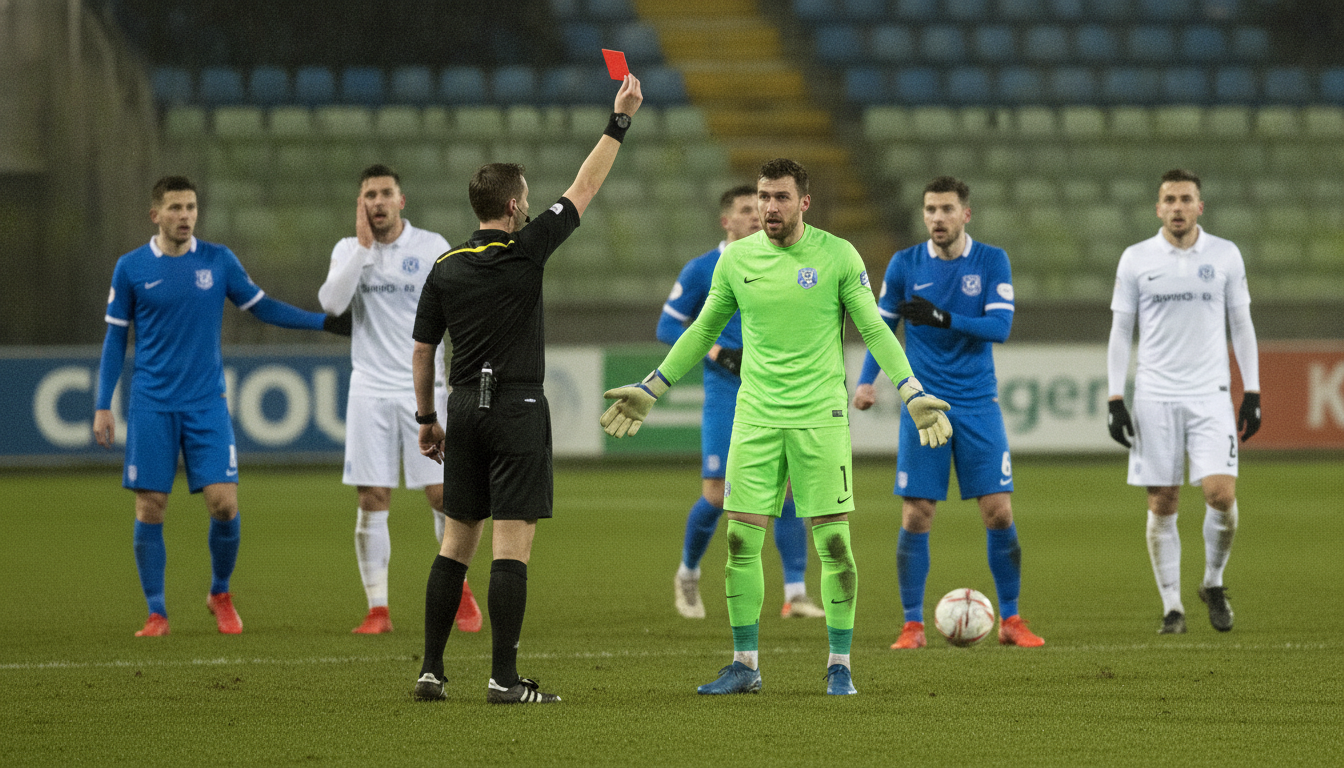
What Law 14 does spend real words on is the other goalkeeper, the one defending the goal being shot at. That keeper 'must remain on the goal line, facing the kicker, between the goalposts, until the ball is kicked.' That sentence is doing a lot of work: no creeping forward, no stepping off the line, no turning side-on to psych out the kicker before the ball moves. But read it again and notice who it's aimed at. It governs the goalkeeper standing on the line defending the kick, not the person taking it. If a goalkeeper is the one stepping up to strike the ball, that restriction simply doesn't apply to them in that moment, they're the kicker, not the last line of defence.
This is why, in practice, you mostly see a goalkeeper take a penalty in a shootout that has run past every outfield taker, once a team has nobody left who hasn't already had a go. In normal play during the 90 minutes, a goalkeeper taking a penalty is rarer still, since it usually means a team's regular penalty-takers are unavailable or a manager has made an unusual call, but rare is not the same as against the rules. If a manager decided, mid-match, that the goalkeeper was the best penalty-taker on the pitch, the referee would have no legal basis to object.
The edge case worth knowing: nothing changes for the goalkeeper acting as kicker once the ball is struck, either. They're bound by the same follow-up rules as any other taker, they can't touch the ball a second time before someone else does, for instance, but they get no special treatment and no special exemption. They walk up, they strike it, and then the game or the shootout carries on exactly as it would if anyone else had taken the kick. The only person the Laws actually watch closely during a penalty is the keeper standing on the other line, glued in place until contact is made.
Sources1 source
IFAB Laws of the Game — Law 14: The Penalty Kick, IFAB Laws of the Game — Law 14: The Penalty Kick
Flagside's editors read every piece we publish. We work from the football press, write our own copy rather than reprinting anyone's, and check each article for accuracy and sourcing. Every outlet that fed into this piece is named under Sources.
The day's football, in your inbox at 7 AM. Nothing else.
Pick of the night's matches, what the transfer window's doing, and the one column you should read today. No ads. No tips. No operators.
One-click unsubscribe. We do not share emails.
Comments
Loading comments…