
 DMA1
DMA1 AIA0
AIA0 FIJ0
FIJ0 VAN1
VAN1 NCD0
NCD0 SOL2
SOL2 AZE
AZE TJK
TJK GIB
GIB STP
STP
Why Do Referees Give Red Cards?
Why Do Referees Give Red Cards?
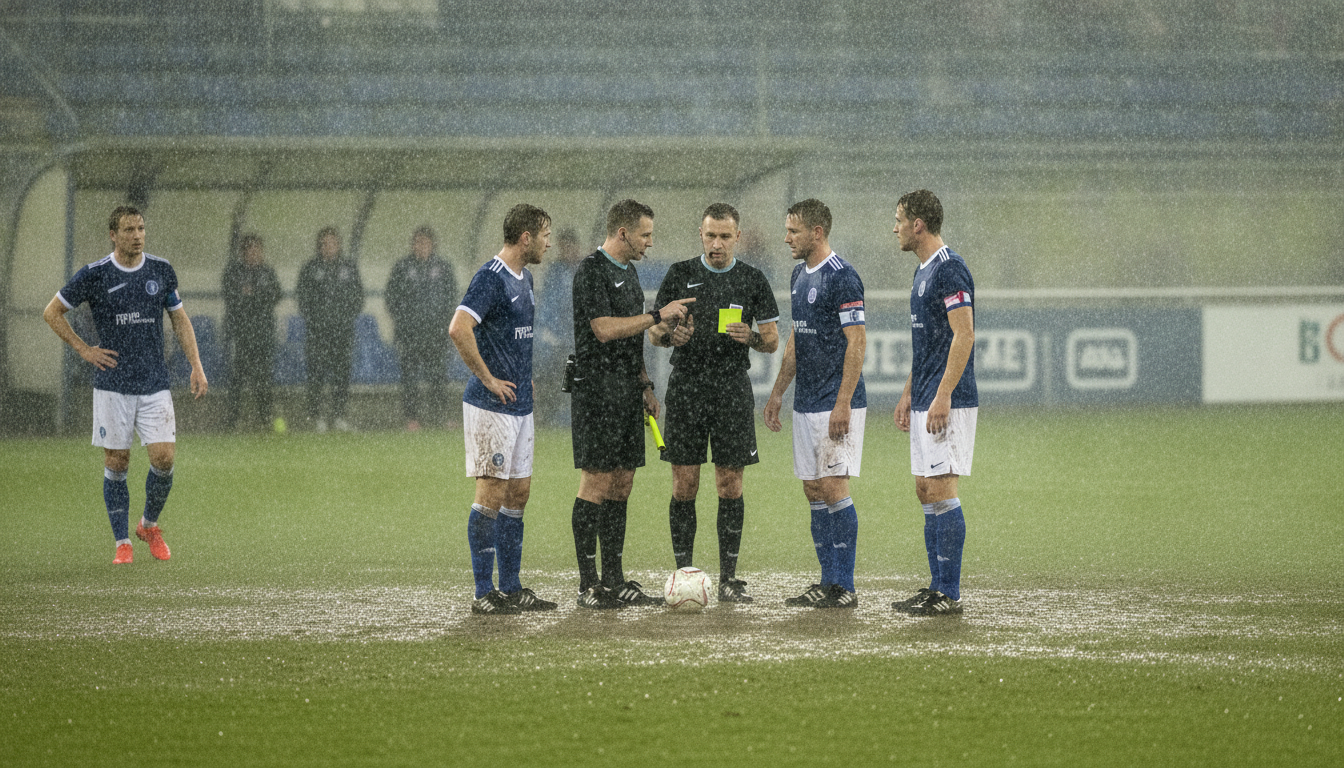
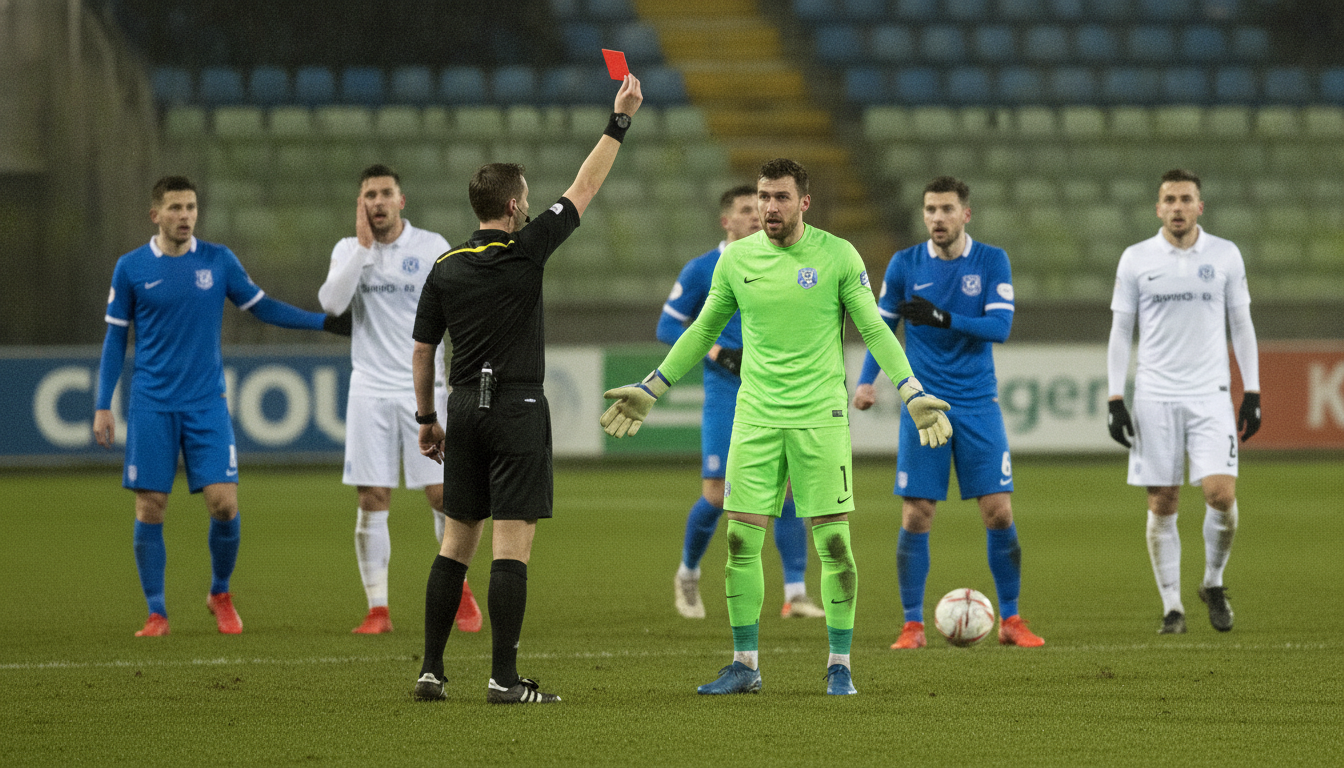
A referee reaches into a top pocket, holds up a red card, and points towards the tunnel, one player walks off alone while everyone else plays on with ten men. Here's what actually earns that card, straight from the Laws of the Game.

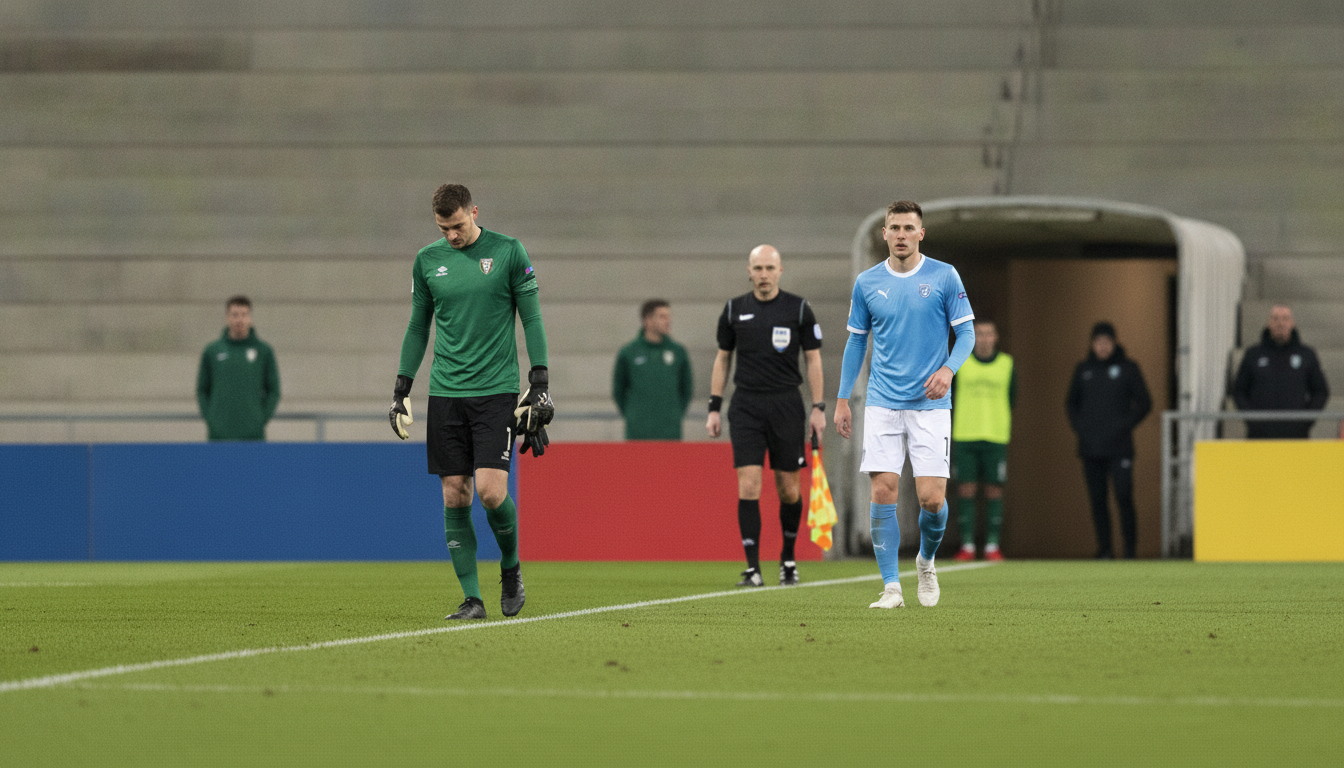
Picture the moment properly. Play has already stopped, a challenge, a flare-up, a shove after the whistle. The referee jogs over, sometimes checks with an assistant or the pitchside monitor, then produces a red rectangle of card and holds it flat above their head or out towards the offending player. That player turns, sometimes argues, usually doesn't, and walks alone down the tunnel while his manager stands with arms folded on the touchline. His team plays the rest of the match a man short. Nobody comes on to replace him.
The red card is shown for what the Laws call a sending-off offence, something judged more serious than a yellow-card, cautionable offence. The list is specific: violent conduct, spitting at someone, biting, and conduct that is extremely offensive, insulting or abusive. Any one of those, and the referee's hand goes to the pocket rather than a quiet word.
The power to do this sits inside the referee's general authority to run the game. Law 5 on the Referee gives them the power to show yellow or red cards and to send a player off, and that authority isn't limited to open play. It runs from the moment the referee arrives at the venue, through the match itself, and on until after the final whistle, covering the tunnel, the dressing-room corridor at half-time, and the immediate aftermath once the game has ended.
Once it's shown, a straight red card is absolute. The player takes no further part in the match and cannot be replaced. No substitution, no appeal on the pitch, no coming back on if tempers cool. The team simply plays on short-handed for whatever time is left.
Referees also have to make a call in real time, often in the middle of chaos, and the Laws acknowledge that directly rather than pretending every decision is calmly deliberated: officials are expected to decide to the best of their ability in the moment, or within a few seconds of it, based on what they saw and heard. When more than one offence happens in the same passage of play, the referee isn't obliged to book or send off everyone involved; disciplinary action punishes whichever offence was the more serious, judged by the sanction it carries, the restart it produces, its physical severity and its tactical impact.
The part most fans never think to ask about is the timing. A red card doesn't need the ball to be in play, or even the match to be underway. It can be shown before kick-off in the tunnel, during half-time in the dressing-room corridor, in stoppage time added on at the end of extra time, or even after the final whistle has gone if something happens as players leave the pitch. The referee's authority to send someone off runs from the moment they arrive until after the match has properly ended.
Sources1 source
IFAB Laws of the Game — Law 5: The Referee, IFAB Laws of the Game — Law 5: The Referee, IFAB Laws of the Game — Law 5: The Referee
Flagside's editors read every piece we publish. We work from the football press, write our own copy rather than reprinting anyone's, and check each article for accuracy and sourcing. Every outlet that fed into this piece is named under Sources.

The day's football, in your inbox at 7 AM. Nothing else.
Pick of the night's matches, what the transfer window's doing, and the one column you should read today. No ads. No tips. No operators.
One-click unsubscribe. We do not share emails.
Comments
Loading comments…