
 MNC4
MNC4 ARS2
ARS2 AVL1
AVL1 CRY1
CRY1 BHA5
BHA5 CHA1
CHA1 EVE2
EVE2 BIR1
BIR1 TOT1
TOT1 LCL6
LCL6 WHU0
WHU0 CHE3
CHE3 BIH1
BIH1 POL0
POL0 FRA4
FRA4 BEL1
BEL1 ITA3
ITA3 TUR1
TUR1 MNE0
MNE0 ARM0
ARM0 NIR0
NIR0 GEO0
GEO0 ROU0
ROU0 SWE1
SWE1 UKR1
UKR1 HUN2
HUN2 CYP2
CYP2 LVA1
LVA1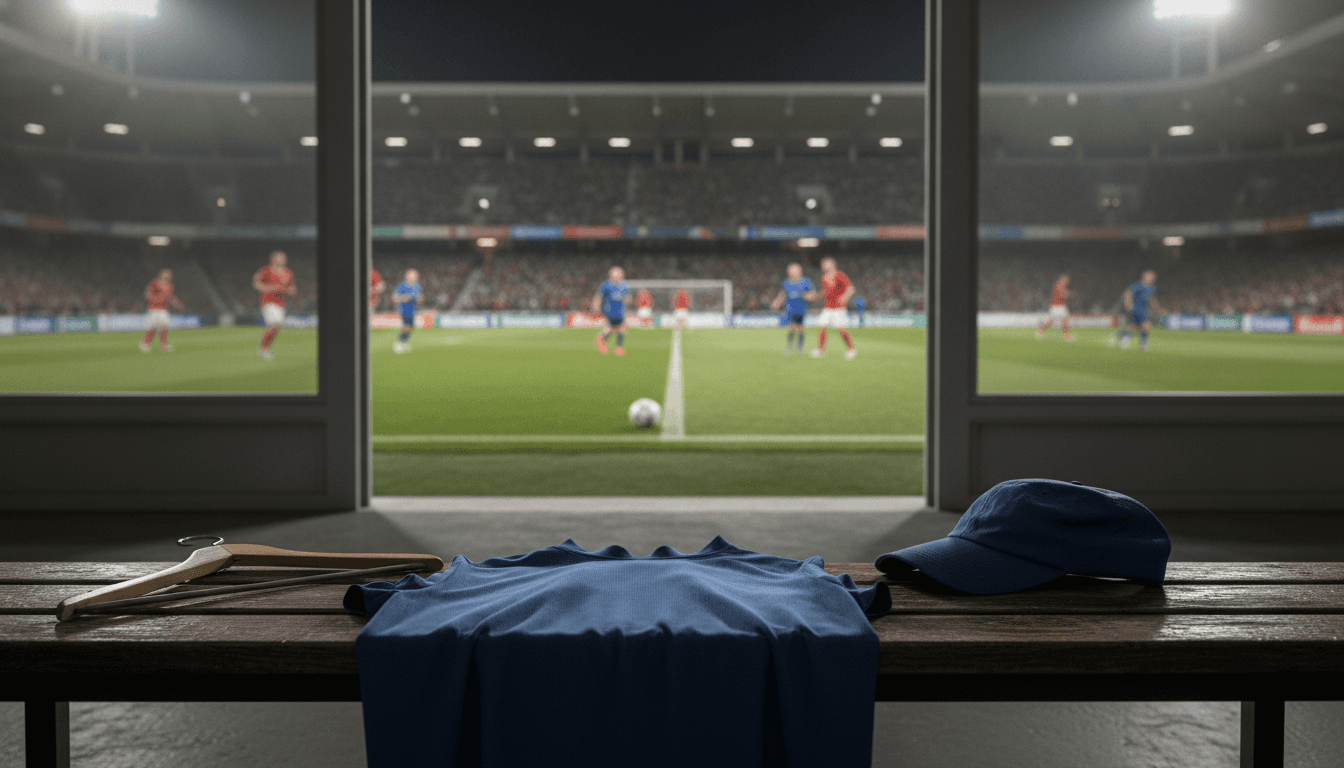
Can a football player refuse to play for his country?
A star player skips the squad list, a short statement goes out about stepping away from the national team, and fans are left asking whether that's even allowed.
Written with AI and checked automatically before publishing. How we work
Picture the moment: a player's name is missing from a squad announcement, or he releases a brief statement saying he won't be answering call-ups for now. No injury, no suspension, just a decision. It looks strange because international football is usually treated as an obligation, something a player owes his country. But the scene is real and it happens more than people think.
Yes, a player can refuse to play for his country. There is no legal way to force an adult professional footballer onto a national team against his will. He can turn down a call-up, step away for a period, or announce he is done with international football altogether, and nobody can compel him back onto the pitch.
The club's role here is limited too. If a fit player is called up for an official international match, his club cannot stop him going, that part is out of the club's hands. But if a player is injured, carrying a knock, or the club wants to protect him through a heavy run of fixtures, the club can hold him back from that call-up. So the tug-of-war over a player's body happens mostly between club and country, while the player's own willingness to go is a separate question entirely, one that nobody can override.
Why would a fit, uninjured player simply say no? The reasons people assume are footballing ones, wanting a rest, managing a long season, protecting a body for the club that pays his wages. Those do happen. But some refusals have nothing to do with fitness at all. A player might step back for political reasons, for religious ones, or simply for personal reasons that have nothing to do with the game, a disagreement with the federation, discomfort with a decision at home, something private he doesn't explain in public. The national team shirt carries weight, but it doesn't carry a contract that can be enforced like a club deal.
The part a lot of fans don't expect is that a refusal is rarely the final word. A player announcing he's stepping away from international football, or even one who has formally retired from the national side, doesn't necessarily shut that door forever. If the player changes his mind later, and the coach at the time wants him back, a return is possible. International careers that look finished on paper have reopened years on, once the circumstances that caused the original refusal have changed, a new manager, a resolved dispute, simply a player feeling ready again. There's no rule locking him out permanently; it comes down to whether both sides are willing to pick things back up.
This is why these situations tend to play out through statements and phone calls rather than disciplinary hearings. A federation can be frustrated, a coach can be publicly annoyed, pundits can argue about loyalty and duty, but none of that changes the basic fact that nobody owns a player's international availability except the player himself. Clubs can shield an injured man from a call-up, but they cannot drag a willing one off a plane, and nobody at all can drag an unwilling one on.



The day's football, in your inbox at 7 AM. Nothing else.
Pick of the night's matches, what the transfer window's doing, and the one column you should read today. No ads. No tips. No operators.
One-click unsubscribe. We do not share emails.
Comments
Loading comments…