
 LCN0
LCN0 WHU6
WHU6 NOR0
NOR0 SOU1
SOU1 POR3
POR3 SHU2
SHU2 QPR4
QPR4 DER1
DER1 BIR4
BIR4 PNE0
PNE0 STK2
STK2 MID3
MID3 BRC0
BRC0 BLK1
BLK1 BUR2
BUR2 CHA2
CHA2 CAR5
CAR5 WAT1
WAT1 MIL0
MIL0 SWA1
SWA1 WOL1
WOL1 BOL3
BOL3 WXM1
WXM1 WBA2
WBA2 ROMA3
ROMA3 RMA4
RMA4 AVL6
AVL6 FEN0
FEN0
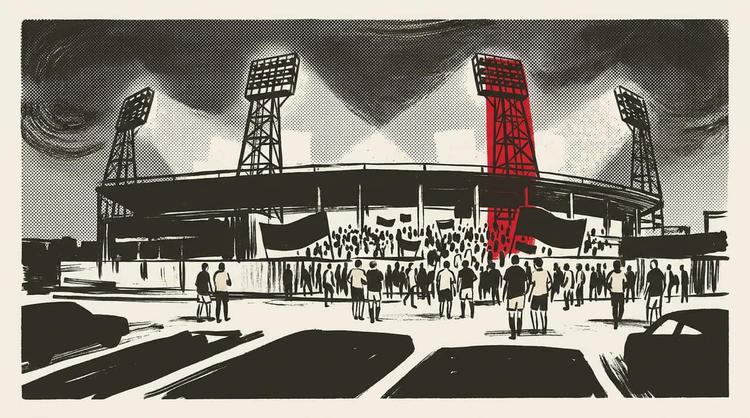
Photo: Ank kumar via Wikimedia Commons (CC BY-SA 4.0)
Chelsea and Villa keep swapping players. At what point does UEFA step in?
Chelsea and Aston Villa have been doing a remarkable amount of business with each other. The deals are legal, the players are real, and the fees are large. But the pattern of two clubs trading hundreds of millions of pounds back and forth, while both operate close to the limits of UEFA's financial rules, is exactly the kind of thing UEFA's regulations are designed to scrutinise.
Written with AI and checked automatically before publishing. How we work
What has actually happened between these two clubs
The volume of business is striking when you lay it out. Ian Maatsen moved from Chelsea to Villa for around £37m. Omari Kellyman went the other way for around £19m. Liam Rogers joined Chelsea for £117m. HUMAN CHECK REQUIRED: The topic block lists '[Jackson → Villa, up to £65m', confirm whether this is Jhon Durán or a different player before publishing; placeholder left as Jackson pending confirmation] Jackson moved to Villa with a fee that could reach £65m. Garnacho arrived at Villa for around £40m. Emi Martinez has since been linked with a move to Chelsea.
That is well over £200m in transfer fees flowing between the same two clubs in a short window. Each deal, taken on its own, is defensible. Taken together, the pattern is harder to ignore.
Why the accounting structure matters
The reason this raises eyebrows is not just the volume but the timing and direction. When Chelsea sell Rogers to Villa for £117m, they can recognise that profit immediately. When they buy players back from Villa, the cost is amortised: spread across the length of the contract. So a club can book a large gain now and spread a large cost over several years, which has the effect of flattering the current year's financial position.
This is not unique to Chelsea and Villa. It is how transfer accounting works across the whole sport, and it is entirely legal. The issue is whether the fees on deals between the same two clubs, done in quick succession, reflect genuine market value or whether they have been inflated to manufacture accounting gains that would not exist if both clubs had sold those players to genuinely independent buyers at arm's length.
What UEFA's rules actually say
UEFA tightened its financial sustainability regulations precisely because of concerns about clubs using player trading to engineer their books. The rules specifically allow UEFA to scrutinise transfers between clubs that have a pattern of dealing with each other, particularly where deals flow in opposite directions within a short period.
The test UEFA applies is whether a transaction was conducted at fair market value between independent parties. If two clubs are effectively swapping players and inflating the fees on both sides, the real economic substance of the deal is closer to an exchange. UEFA can revalue those transactions to what it considers fair market value, which would reduce the profit each club is allowed to recognise.
Both Chelsea and Villa have previous UEFA history. Both have operated under UEFA settlements or monitoring arrangements. That context matters: clubs that have already attracted regulatory attention do not get the benefit of the doubt in the same way a club with a clean record might.
What the consequences could look like
If UEFA decided to look at this cluster of deals and concluded that the fees were not genuinely independent market values, the consequences would work through the financial sustainability framework rather than through any criminal process.
The most immediate effect would be a restatement of the profits each club is allowed to count. If a £117m sale is revalued to, say, a figure UEFA considers reflective of genuine market value, the club's financial position for that period looks worse. For clubs already operating close to the permitted limits, that kind of adjustment can push them into breach.
From breach, the range of sanctions runs from fines and transfer restrictions through to squad size limits for UEFA competition. In serious cases, or where a club is already under a settlement and then found to have further breached the rules, UEFA has the power to exclude a club from European competition entirely. That is the end of the scale nobody wants to reach.
Is this definitely wrong?
Not necessarily. The players involved are genuinely good players. Rogers at £117m is a large fee but not an absurd one for a player of his profile in this market. The fact that two clubs happen to do a lot of business with each other is not, by itself, evidence of manipulation.
What UEFA would need to establish is that the fees were set with reference to each other rather than to genuine market demand, and that both clubs benefited from the accounting treatment in a way that distorted their financial positions. That requires evidence, not just pattern-matching.
The real risk for both clubs
The risk is not that any individual deal falls apart under scrutiny. It is that the cumulative picture gives UEFA grounds to open a formal review, and that a review, even one that finds nothing, creates uncertainty around both clubs' ability to plan transfers and register players.
For Villa, who have just won the Europa League and are building a squad capable of competing in the Champions League, that kind of uncertainty is genuinely damaging. For Chelsea, who are in the middle of a long-term squad construction project under Xabi Alonso, the same applies.
The smarter play, for both clubs, would have been to ensure their mutual dealings were more obviously spread out and more clearly priced against comparable market transactions. As it stands, the concentration of deals, the direction of fees, and the timing all combine to create a picture that UEFA's financial monitoring unit is well-equipped to ask questions about. Whether it chooses to is a different matter.

The day's football, in your inbox at 7 AM. Nothing else.
Pick of the night's matches, what the transfer window's doing, and the one column you should read today. No ads. No tips. No operators.
One-click unsubscribe. We do not share emails.
Comments
Loading comments…