
 COK0
COK0 TAH0
TAH0 ARG4
ARG4 BOL0
BOL0 LTU3
LTU3 AND0
AND0 BOT0
BOT0 MOZ2
MOZ2 SEY0
SEY0 SRI2
SRI2 FIJ2
FIJ2 NCD1
NCD1 PNG1
PNG1 SOL1
SOL1 AZE
AZE LIE
LIE DEN
DEN POR
POR GER
GER SRB
SRB GRE
GRE NED
NED ISR
ISR KOS
KOS MLT
MLT GIB
GIB IRL
IRL AUT
AUT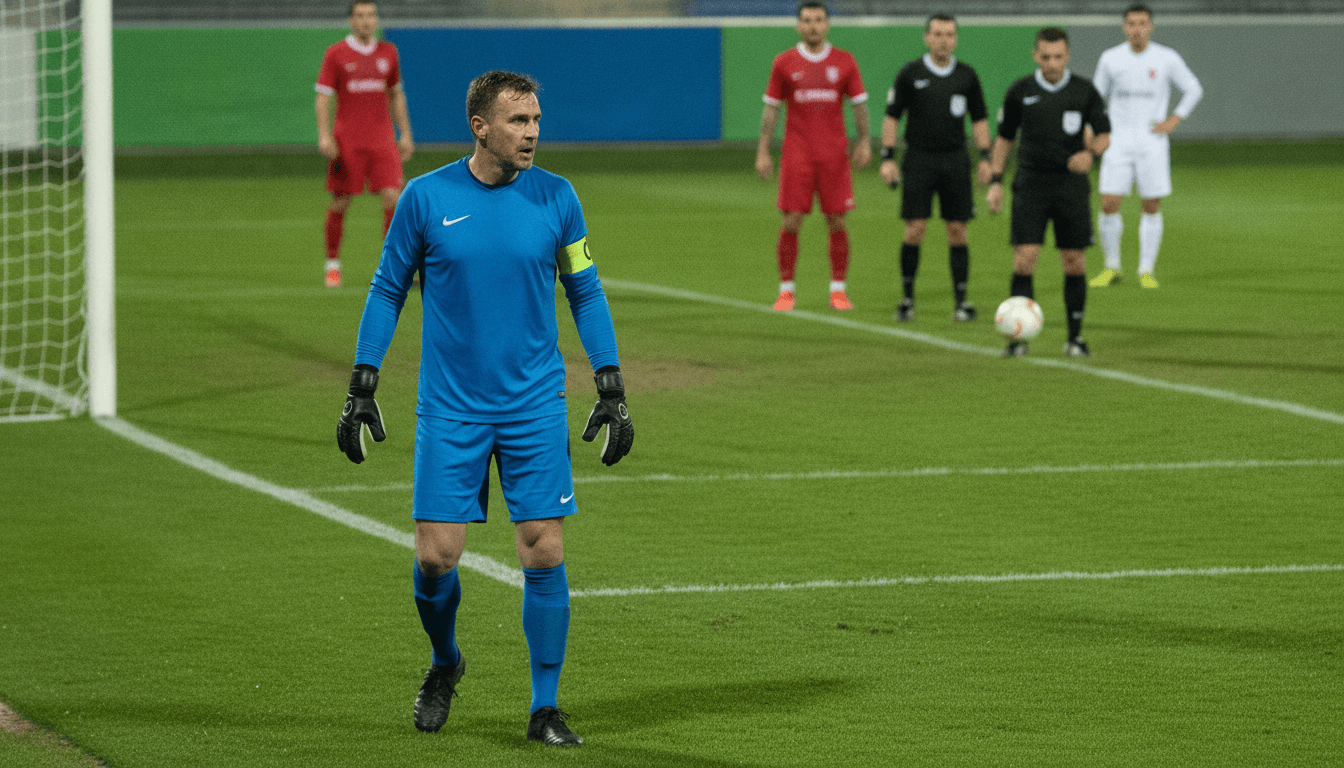
Can a goalkeeper be a captain in football?
A goalkeeper trots up before kick-off wearing the armband, claps the centre-back on the back, and jogs to their line. Nothing in the rulebook says that cannot happen.
Written with AI and checked automatically before publishing. How we work
Picture the coin toss. The captains meet the referee in the centre circle, shake hands, and one of them has gloves tucked under an arm because he is about to go and stand in his own goal for ninety minutes. That image looks slightly odd if you have never seen it, but it is entirely legal.
A goalkeeper can be the captain. The Laws of the Game state plainly that "each team must have a captain on the field of play who wears an identifying armband", that is Law 3, and it says nothing at all about which position that captain has to play. No rule carves goalkeepers out of contention. The armband just needs to be on someone's arm, and that someone can be the one wearing gloves.
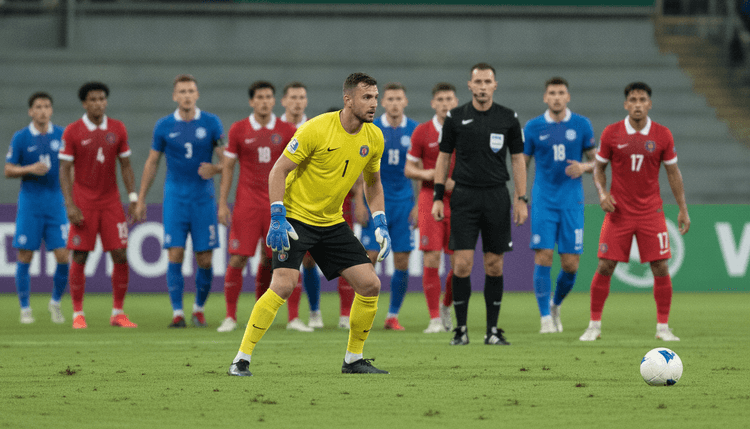
What changes is not whether the goalkeeper can lead the team, but how the referee deals with them during the game. Many competitions run under what are called the 'Only the captain' guidelines, where certain conversations with the match official, querying a decision, raising something at a stoppage, are meant to go through the captain alone, to cut down on players crowding the referee. If the captain happens to be the goalkeeper, that creates an obvious practical snag: he is sixty or seventy metres away for most of the match, often with his back to the play entirely. So the Laws build in a workaround. As Law 3 puts it, "when the 'Only the captain' guidelines are in use and the goalkeeper becomes the new captain, the referee must be told which outfield player is nominated to approach the referee instead of the goalkeeper." The goalkeeper keeps the armband and the authority that comes with it, but a team-mate out on the pitch is named as the one who actually walks over and talks.
The edge case worth knowing sits right next to this one, and it is about swapping goalkeepers mid-match rather than swapping captains. A team is allowed to change its goalkeeper for another player during a game, but only if the referee is informed beforehand and the switch happens in a stoppage in play, you cannot simply have an outfield player saunter into goal while the ball is live. That rule exists for a different reason than the captaincy one, but it points at the same underlying idea: the Laws are quite relaxed about who holds which job on the pitch, captain included, as long as the referee is kept in the loop about who is doing what.
So the armband is not an outfield-only decoration. It can sit on the sleeve of a goalkeeper's shirt just as easily as a midfielder's, with one small administrative fix built into the Laws to cover the obvious logistical problem of a captain who spends the match at the opposite end of the pitch from the referee.
Sources1 source
IFAB Laws of the Game — Law 3: The Players, IFAB Laws of the Game — Law 3: The Players
We name and link every outlet this article draws on, and rewrite their reporting in our own words rather than reprinting it.
%22%20%2F%3E%0A%20%20%3Crect%20width%3D%22100%25%22%20height%3D%22100%25%22%20fill%3D%22url(%23glow)%22%20%2F%3E%0A%20%20%3Cg%20transform%3D%22rotate(-8%2C%20600%2C%20337.5)%22%3E%0A%20%20%20%20%3Crect%20x%3D%22-200%22%20y%3D%22418.5%22%20width%3D%221600%22%20height%3D%222%22%20fill%3D%22%23E4002B%22%20opacity%3D%220.106%22%20%2F%3E%0A%20%20%20%20%3Crect%20x%3D%22-200%22%20y%3D%22499.5%22%20width%3D%221600%22%20height%3D%221%22%20fill%3D%22%23E4002B%22%20opacity%3D%220.106%22%20%2F%3E%0A%20%20%3C%2Fg%3E%0A%20%20%3Ccircle%20cx%3D%2291%22%20cy%3D%22394%22%20r%3D%22347%22%20fill%3D%22%23E4002B%22%20opacity%3D%220.050%22%20%2F%3E%0A%20%20%3Ccircle%20cx%3D%22905%22%20cy%3D%22337%22%20r%3D%22206%22%20fill%3D%22%23E4002B%22%20opacity%3D%220.130%22%20%2F%3E%0A%20%20%3Ccircle%20cx%3D%221092%22%20cy%3D%22489%22%20r%3D%22277%22%20fill%3D%22%23E4002B%22%20opacity%3D%220.083%22%20%2F%3E%0A%20%20%3Ccircle%20cx%3D%2258%22%20cy%3D%22243%22%20r%3D%22366%22%20fill%3D%22%23E4002B%22%20opacity%3D%220.053%22%20%2F%3E%0A%20%20%3Ccircle%20cx%3D%22148%22%20cy%3D%221%22%20r%3D%22263%22%20fill%3D%22%23E4002B%22%20opacity%3D%220.105%22%20%2F%3E%0A%20%20%3Ctext%20x%3D%2248%22%20y%3D%2264%22%0A%20%20%20%20%20%20%20%20font-family%3D%22'Taurus%20Grotesk'%2C%20system-ui%2C%20sans-serif%22%0A%20%20%20%20%20%20%20%20font-size%3D%2214%22%20font-weight%3D%22500%22%20letter-spacing%3D%222.5%22%0A%20%20%20%20%20%20%20%20fill%3D%22%23E4002B%22%20opacity%3D%220.85%22%3EOTHER%20FOOTBALL%3C%2Ftext%3E%0A%20%20%3Ctext%20x%3D%2248%22%20y%3D%22611%22%0A%20%20%20%20%20%20%20%20font-family%3D%22'Suomi%20Veto%20Lugati'%2C%20'Anton'%2C%20'Oswald'%2C%20Impact%2C%20sans-serif%22%0A%20%20%20%20%20%20%20%20font-style%3D%22italic%22%20font-weight%3D%22700%22%0A%20%20%20%20%20%20%20%20font-size%3D%2264%22%20letter-spacing%3D%22-0.01em%22%0A%20%20%20%20%20%20%20%20fill%3D%22%23FFFFFF%22%20opacity%3D%220.96%22%3EWhat%20Happens%20If%20a%20Football%20Match%20Draws%3F%3C%2Ftext%3E%0A%20%20%3Ctext%20x%3D%221152%22%20y%3D%22647%22%0A%20%20%20%20%20%20%20%20text-anchor%3D%22end%22%0A%20%20%20%20%20%20%20%20font-family%3D%22'Taurus%20Grotesk'%2C%20system-ui%2C%20sans-serif%22%0A%20%20%20%20%20%20%20%20font-size%3D%2211%22%20font-weight%3D%22500%22%20letter-spacing%3D%222%22%0A%20%20%20%20%20%20%20%20fill%3D%22%23FFFFFF%22%20opacity%3D%220.45%22%3EFLAGSIDE.FOOTBALL%3C%2Ftext%3E%0A%3C%2Fsvg%3E)
The day's football, in your inbox at 7 AM. Nothing else.
Pick of the night's matches, what the transfer window's doing, and the one column you should read today. No ads. No tips. No operators.
One-click unsubscribe. We do not share emails.
Comments
Loading comments…