
 FUL1
FUL1 MAN1
MAN1 BOU0
BOU0 LIV1
LIV1 LEE0
LEE0 CRY0
CRY0 MNC5
MNC5 SUN3
SUN3 NOR3
NOR3 BOL4
BOL4 WOL1
WOL1 WBA0
WBA0 BHA1
BHA1 AVL1
AVL1 CRY0
CRY0 TOT7
TOT7 WHU0
WHU0 EVE1
EVE1 CEL0
CEL0 RAN1
RAN1 NCD0
NCD0 SOL2
SOL2 FIJ
FIJ VAN
VAN DMA
DMA AIA
AIA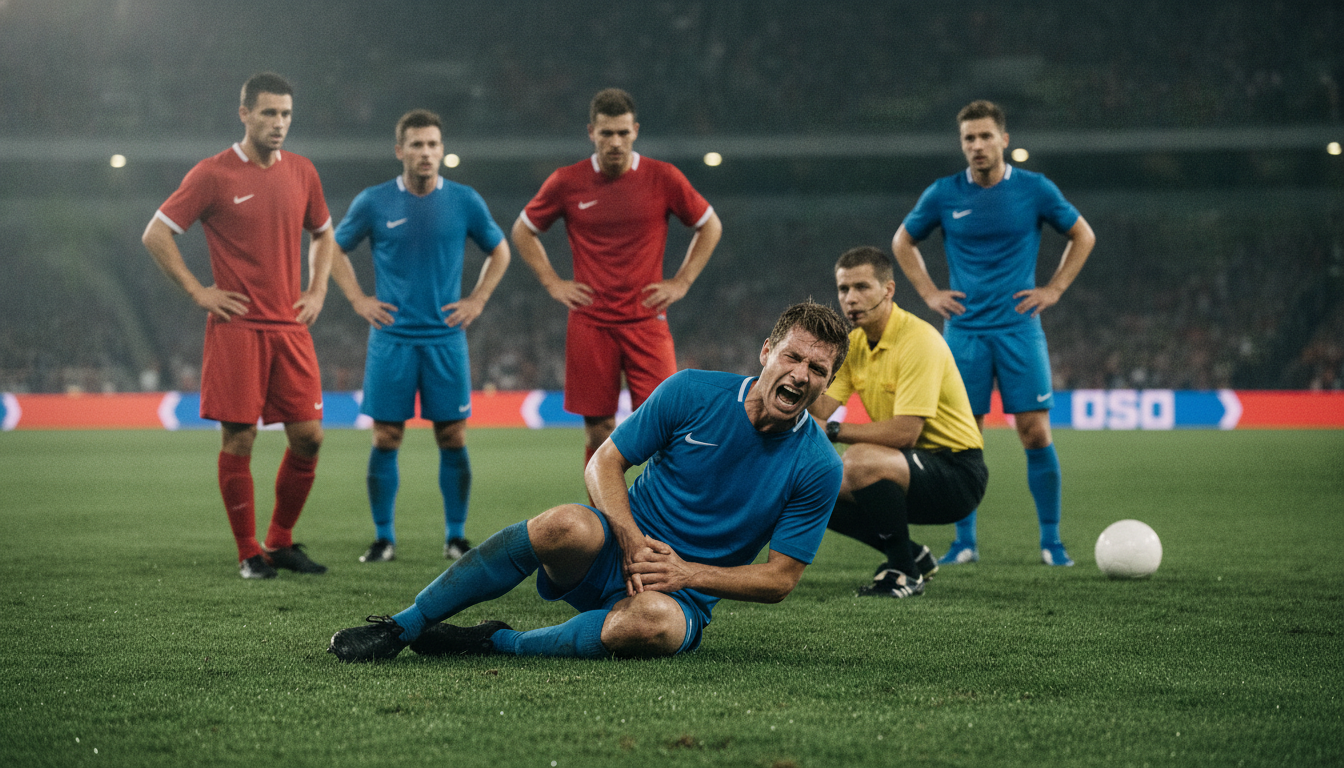
Why Do Football Players Exaggerate Injuries?
Why Do Football Players Exaggerate Injuries?
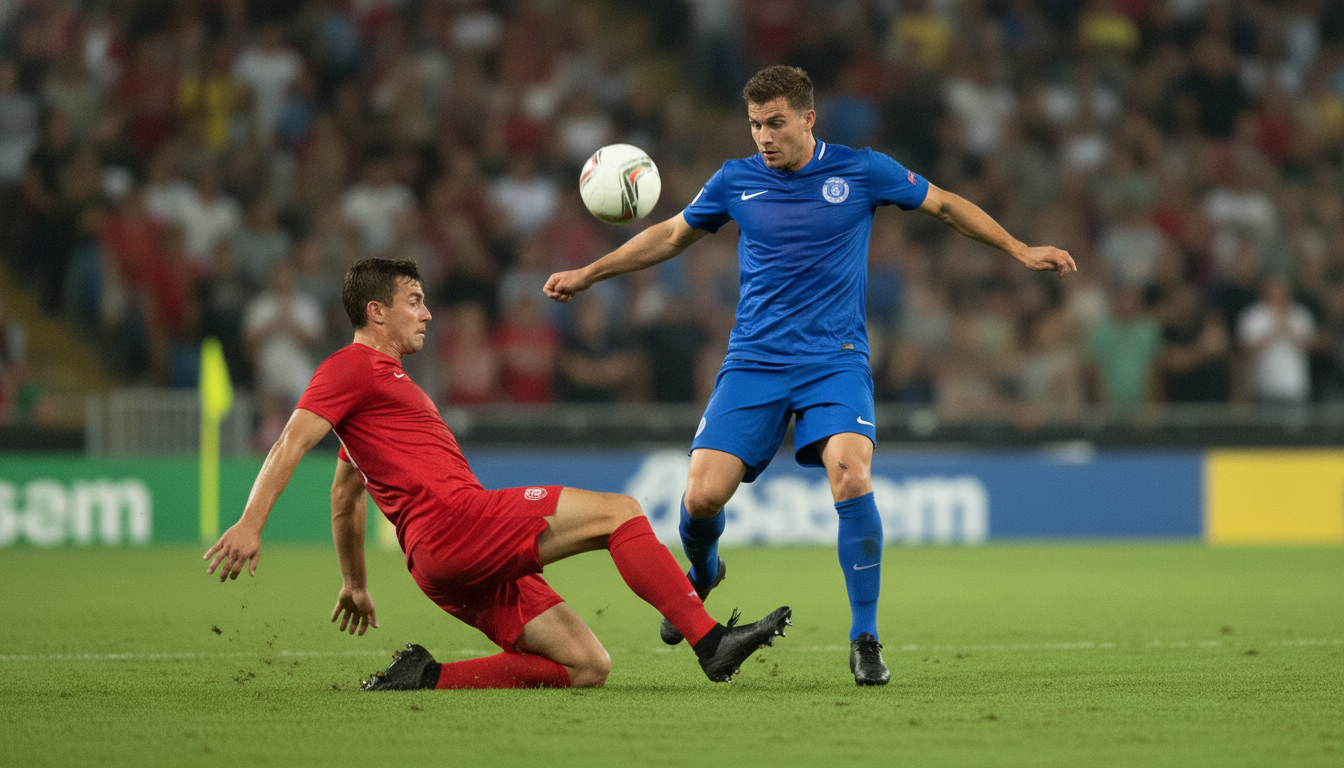
A player crumples to the ground clutching his shin, face twisted in pain, after contact that barely touched him, then springs up minutes later once the free kick is given. Here's what's actually going on.

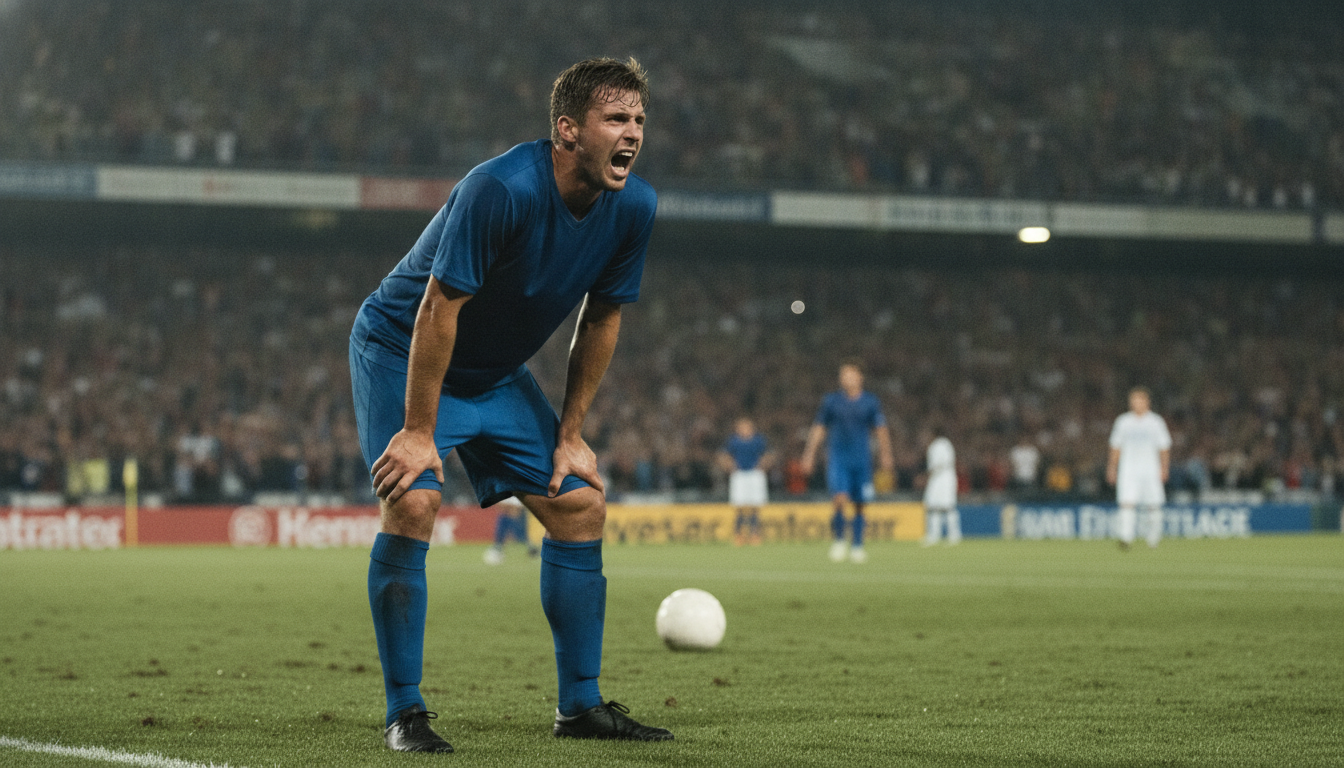
Picture a winger running down the touchline in the last ten minutes of a tight match. A defender's foot brushes his ankle. He collapses as if shot, rolls twice, and clutches his leg while three team-mates wave frantically at the bench for the physio. The referee jogs over. Play stops. When the whistle finally blows for the resumption, the winger is already back on his feet, jogging it off.
Players exaggerate injuries for a small set of very practical reasons, and they usually overlap in the same incident. The first is to win a free kick or penalty: if the referee believes the contact was worse than it was, the decision tends to go the attacker's way, especially in the penalty area where a soft-looking fall can be the difference between a goal chance and nothing. The second is to get an opponent booked or sent off, a defender who catches an attacker lightly can end up with a yellow or red card if the reaction on the ground makes the challenge look reckless or violent. The third is time-wasting, which shows up most often in the closing stages of a match a team is winning; every minute spent with a player down and physios on the pitch is a minute the clock keeps running and the opposition doesn't get to attack. The fourth is simpler: stopping the game kills momentum. If the other team has just won the ball and is surging forward, a stoppage, real or invented, resets the game to a standing start and takes the sting out of the attack.
The mechanics of it rely almost entirely on persuading the referee, because the referee is the only person whose judgment actually changes the outcome. A player doesn't need to convince the crowd or the opposing bench, just the one official making the call in real time, often from an imperfect angle and under pressure to keep the game flowing. That's why the reaction is aimed squarely at the referee and delivered fast and loud, the grimace, the clutching of the leg, the players waving urgently for medical attention. Contact that would barely register in training becomes something that looks, for a few seconds, like it needed stretcher treatment.
What a lot of people don't expect is how often this backfires. A referee who suspects a dive can book the player for it rather than the defender, turning a bid for a free kick into a card against the attacker instead. Team-mates and managers on the touchline can also be furious with a player who goes down easily in a big moment, because it makes the whole team look desperate rather than clever. And genuine injuries make the whole picture murkier: a player who has actually been hurt before will sometimes go down cautiously on a similar-looking challenge simply because he doesn't trust his own body, which is why not every dramatic collapse is theatre, some of it is a player who has learned, the hard way, not to play through pain that might be real this time.
The day's football, in your inbox at 7 AM. Nothing else.
Pick of the night's matches, what the transfer window's doing, and the one column you should read today. No ads. No tips. No operators.
One-click unsubscribe. We do not share emails.
Comments
Loading comments…