
 BOL0
BOL0 PAR2
PAR2 CHE1
CHE1 ARS0
ARS0 BIR3
BIR3 CRY3
CRY3 LIV2
LIV2 EVE0
EVE0 TOT4
TOT4 AVL0
AVL0 MAN2
MAN2 WHU1
WHU1 LCL2
LCL2 BHA0
BHA0 CHA0
CHA0 MNC1
MNC1 GER0
GER0 GRE1
GRE1 ISR0
ISR0 IRL3
IRL3 NOR1
NOR1 POR2
POR2 AUT3
AUT3 KOS1
KOS1 DEN2
DEN2 WAL0
WAL0 GIB0
GIB0 AND0
AND0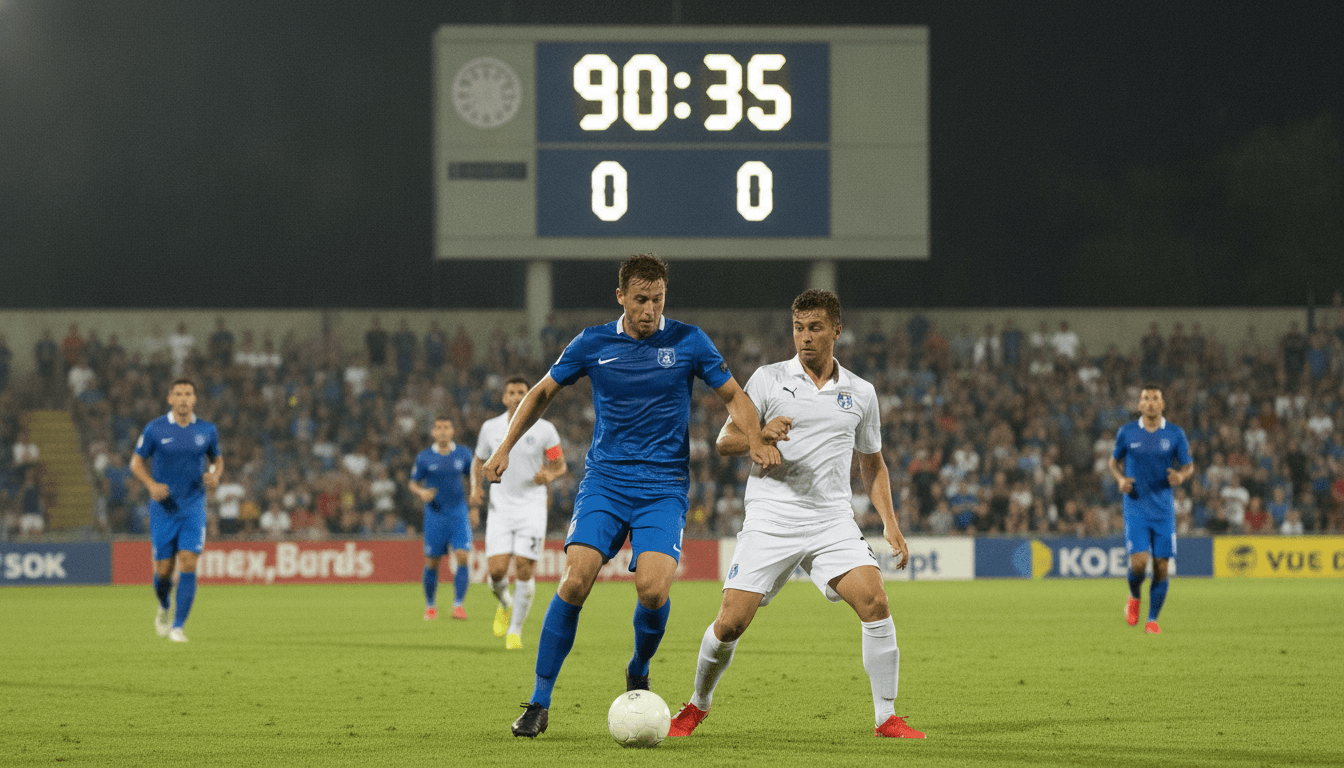
Why is a football match 90 minutes long?
A commentator mentions the added minutes at the end of a half, and the question follows: who decided a game should run for exactly ninety minutes in the first place?
Written with AI and checked automatically before publishing. How we work
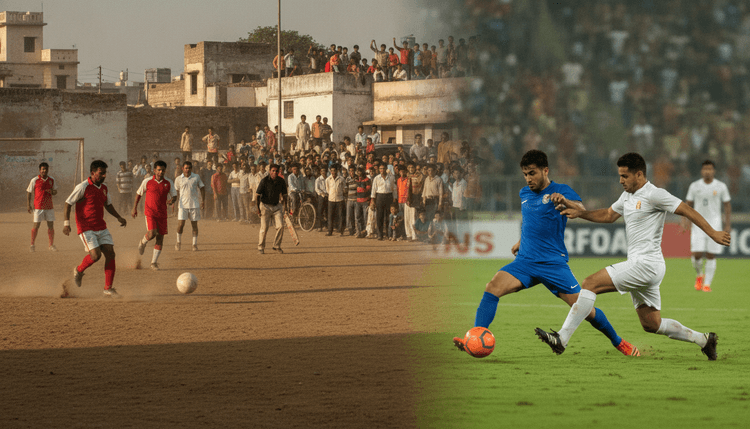
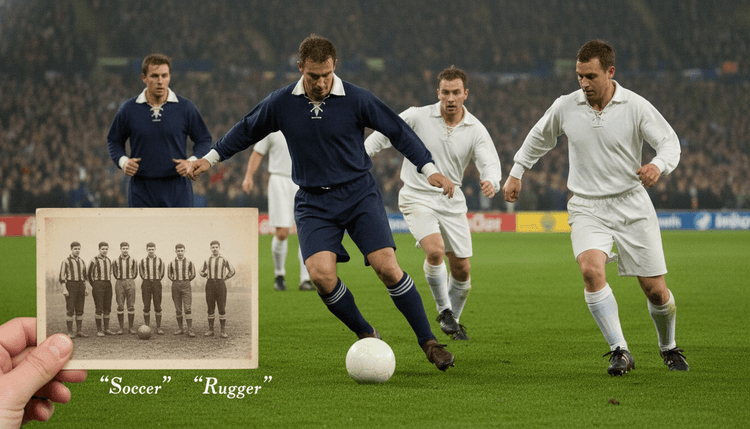
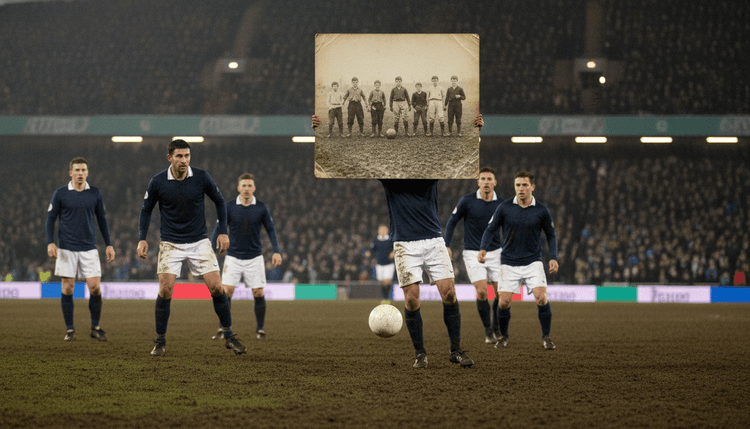
Picture two teams from different towns turning up to play each other sometime in the 1800s, except one club is used to matches lasting an hour and the other plays for two. Before a ball can be kicked, someone has to agree on a number. That argument, repeated across dozens of English clubs with their own local customs, is where ninety minutes comes from.
The duration was a compromise. English clubs in that period had no shared standard for how long a match should last, and as they started travelling to play one another, the mismatch became a practical problem rather than a philosophical one. Ninety minutes, split into two halves, was settled on as a length that worked for everyone involved, and once it was written down as the standard, clubs simply kept using it.
There is no deeper logic sitting underneath that number. It was not chosen because ninety minutes is how long a fit adult can run without breaking down, and it was not chosen because it produces a particular number of goals or passages of play. It was a scheduling fix for fixtures between clubs that used to disagree on the basics, and it survived because there was never a strong enough reason to change it. Ninety minutes is the answer largely because ninety minutes is what everyone got used to.
That is worth sitting with, because it means the length of a football match is closer to an old habit than an engineered decision. Compare it to sports where the clock length maps onto something physical or tactical, and football's ninety minutes looks different: it is a number that stuck because generations of players, clubs and supporters organised their idea of a match around it, not because ninety was proven to be correct.
The part that trips people up is the extra minutes played at the end of each half, because it looks like an exception to the ninety-minute rule but is actually a separate practice altogether. Stoppage time exists to put back the minutes that get eaten up during a half by things like injuries, substitutions and the ball going out of play for treatment or delay. It is added on afterwards, at the discretion of whoever is timing the match, rather than being part of the original ninety-minute figure at all.
So the two things a viewer notices, the ninety minutes and the four or six or eight minutes tacked on after it, come from completely different places. The ninety is a historical settlement between clubs that once could not agree on match length. The added time is a modern bit of bookkeeping to make sure the ninety minutes that were supposed to be played actually get played, once you account for the game stopping along the way. One is tradition, the other is arithmetic, and they only look like the same rule because they both show up on the same clock at the end of a half.
The day's football, in your inbox at 7 AM. Nothing else.
Pick of the night's matches, what the transfer window's doing, and the one column you should read today. No ads. No tips. No operators.
One-click unsubscribe. We do not share emails.
Comments
Loading comments…