
 ARS2
ARS2 CHE1
CHE1 EVE2
EVE2 MAN2
MAN2 BIR2
BIR2 WOL2
WOL2 MNC3
MNC3 BIR1
BIR1 CHA0
CHA0 LIV4
LIV4 CRY1
CRY1 EVE0
EVE0 BHA0
BHA0 ARS1
ARS1 TOT3
TOT3 WHU1
WHU1 HOM2
HOM2 DUN1
DUN1 STJ2
STJ2 HIBS1
HIBS1 BOU
BOU LCN
LCN CRY
CRY MID
MID LEY
LEY BRD
BRD SUN
SUN HUL
HUL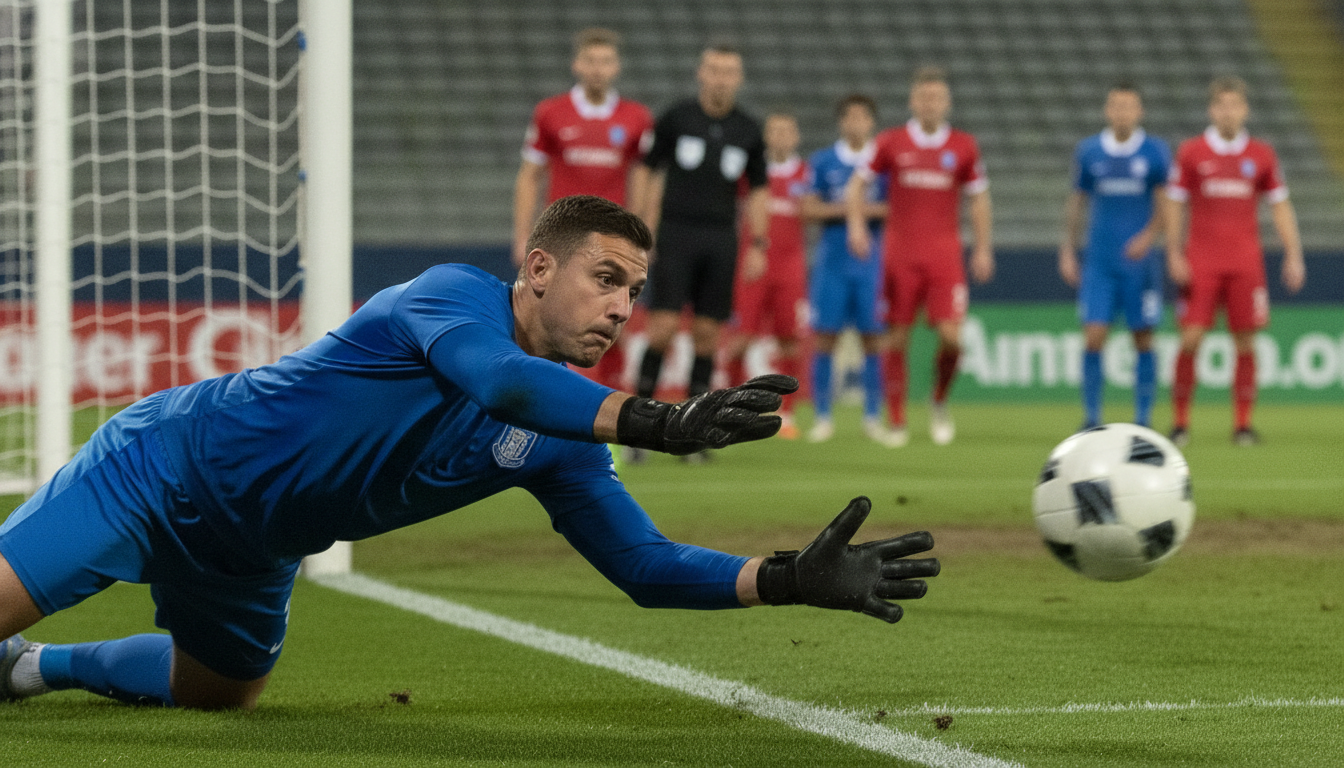
Can a Goalkeeper Pick Up a Throw-In?
Can a Goalkeeper Pick Up a Throw-In?
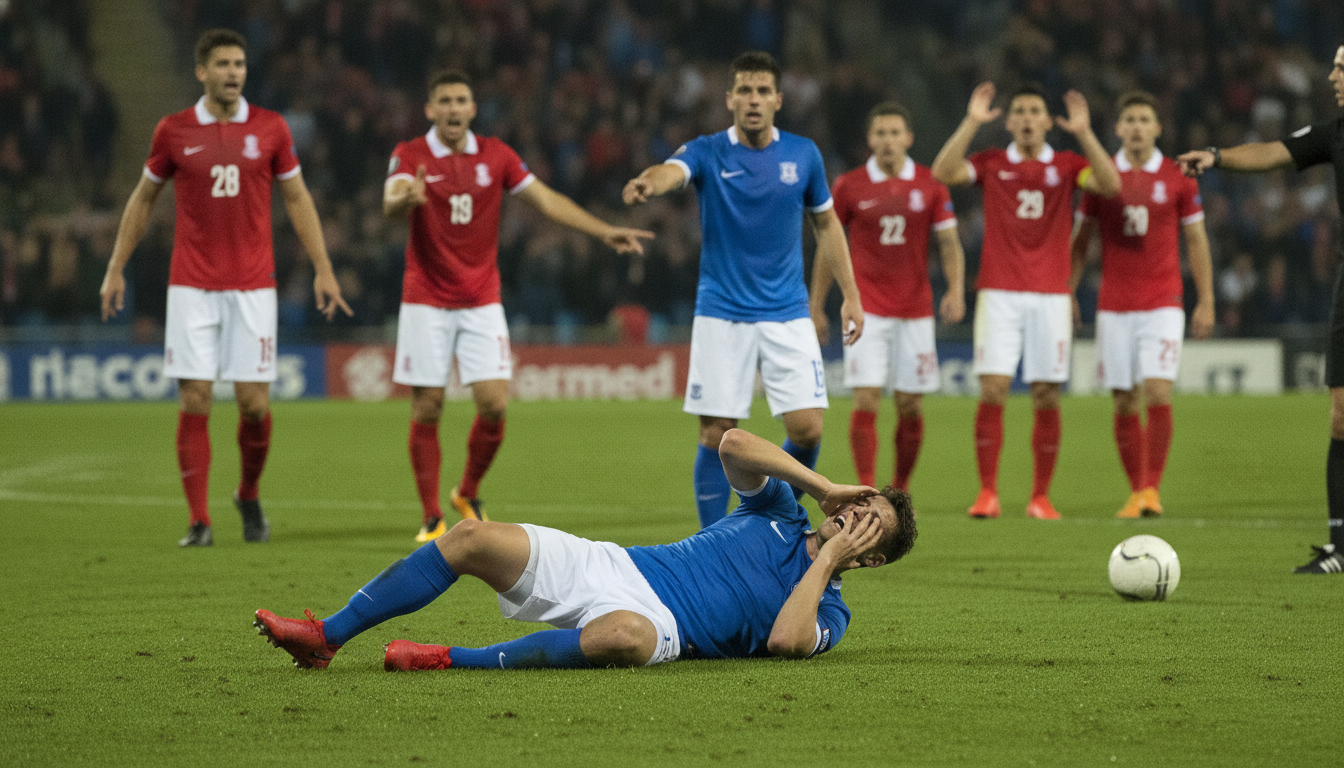
A defender under pressure near his own corner flag hurls the ball back toward his keeper, who scoops it up in both hands like it's the safest option on the pitch. It isn't.

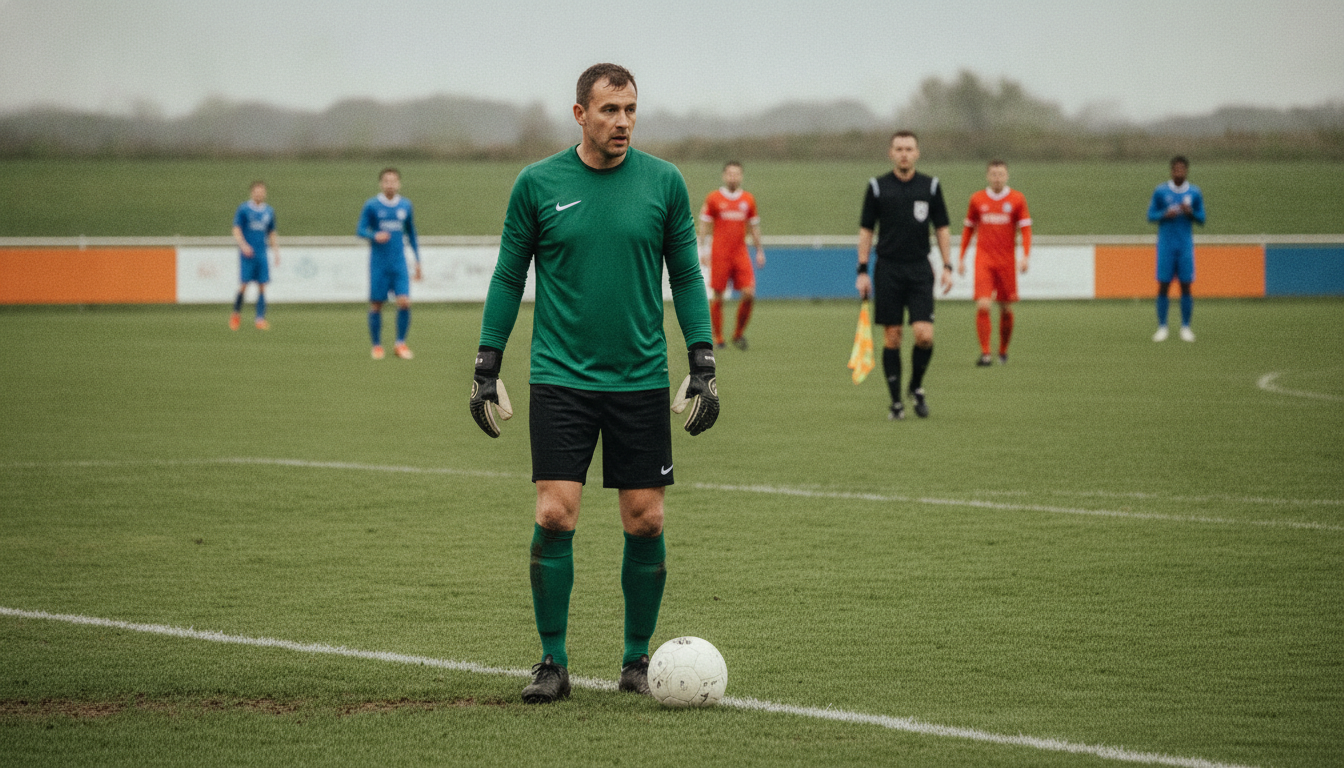
Picture the scene: a full-back, chased down the touchline, throws the ball back toward his own goalkeeper rather than risk losing it near the corner flag. The keeper, seeing a team-mate under pressure, comes off his line and picks the ball up with his hands, the way he would from a back-pass under his feet. The referee blows immediately.
The goalkeeper cannot handle a throw-in from his own team-mate. If he does, inside his own penalty area, the referee gives an indirect free kick to the other team, taken from the spot where the ball was touched.
The IFAB Laws of the Game spell out this exact scenario, question and answer, in the section dealing with goalkeeper handling offences: "A goalkeeper touches the ball with the hand/arm inside their penalty area after receiving the ball directly from a throw-in taken by a team-mate. What is the referee's decision? The goalkeeper is not permitted to handle the ball – an indirect free kick is awarded to the opposing team but there is no disciplinary sanction."
That last clause is doing the real work. No disciplinary sanction. No yellow card, no telling-off written into the book, nothing beyond the restart itself. Compare that to the back-pass rule's more famous cousin, and you might expect some kind of caution for a keeper who keeps doing it. There isn't one. The Law treats it as a technical error to be corrected on the spot, not a piece of misconduct to be punished. The team loses the ball where the keeper touched it; the keeper loses nothing personally.
The restart is indirect, which matters more than it sounds. An indirect free kick that close to goal still needs a second touch before it can go straight in, so the punishment is real but not automatic. A wall has to be set, the ball has to be played twice, and defenders have time to organise in a way they wouldn't after, say, a penalty.
The rule only bites on a direct throw-in. If the ball comes to the keeper off a deflection, cannons off an opponent, clips a team-mate's head, bounces awkwardly off the turf and off a post, the ball is no longer arriving "directly from a throw-in taken by a team-mate," and the keeper's hands are perfectly legal again. The exact same logic that governs the back-pass law applies here: it's the uninterrupted, deliberate chain from thrower to keeper that's banned, not the general idea of a keeper handling a ball that started life as a throw-in.
Worth remembering too: this only applies when the throw-in comes from the goalkeeper's own side. A throw taken by an opponent poses no such restriction, the keeper can catch that with both hands all day, exactly as he would any other ball played by the opposition. The offence exists purely to close the same loophole the back-pass law closes: team-mates using the keeper's hands to run down the clock or dig themselves out of pressure by looping the ball back to a pair of gloves rather than a boot.
Sources1 source
IFAB Laws of the Game
Flagside's editors read every piece we publish. We work from the football press, write our own copy rather than reprinting anyone's, and check each article for accuracy and sourcing. Every outlet that fed into this piece is named under Sources.
The day's football, in your inbox at 7 AM. Nothing else.
Pick of the night's matches, what the transfer window's doing, and the one column you should read today. No ads. No tips. No operators.
One-click unsubscribe. We do not share emails.
Comments
Loading comments…