 AND
AND MLT
MLT AUT
AUT ISR
ISR KOS
KOS IRL
IRL LIE
LIE LTU
LTU NED
NED GER
GER NOR
NOR DEN
DEN POR
POR WAL
WAL SRB
SRB GRE
GRE AZE
AZE TJK
TJK GIB
GIB STP
STP SOL
SOL VAN
VAN PNG
PNG NCD
NCD PLE
PLE NZL
NZL JPN
JPN URU
URU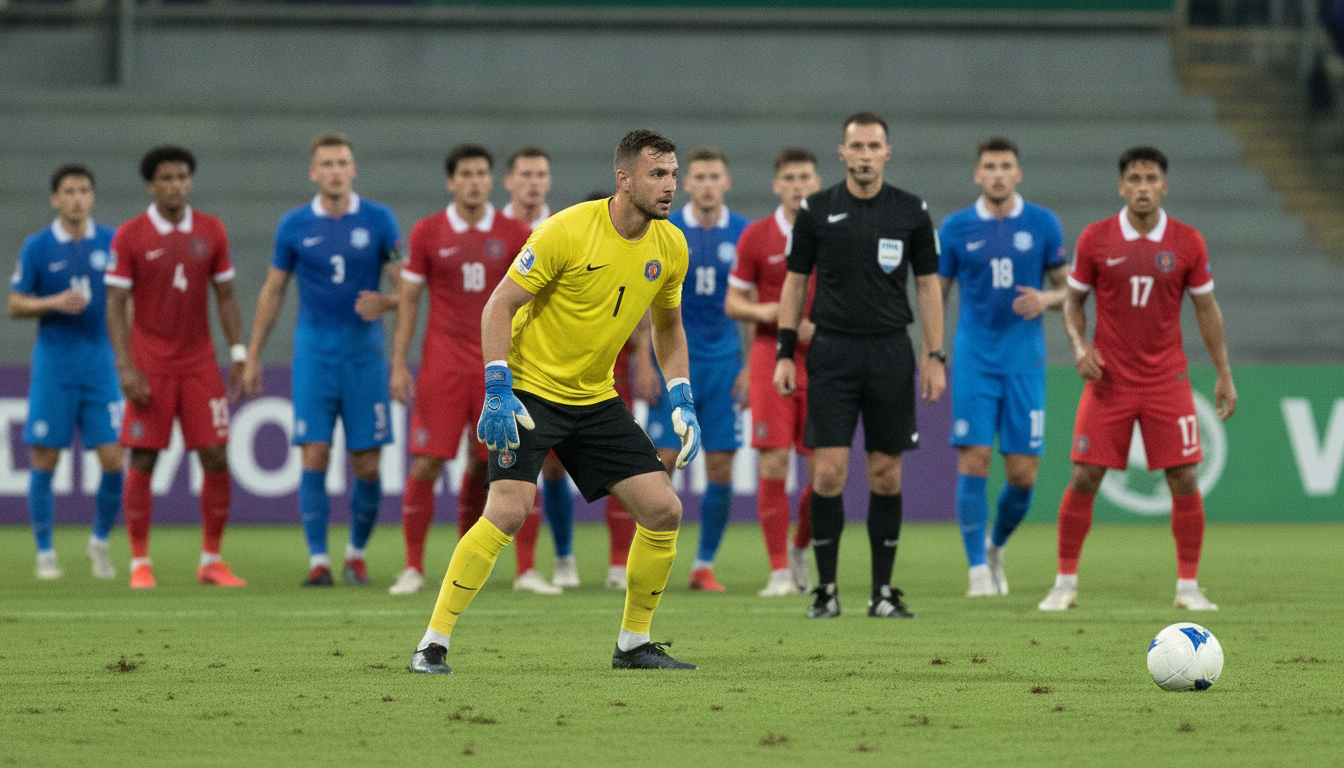
Can a goalkeeper play as a striker?
Can a goalkeeper play as a striker?
Late in a losing game, you sometimes see the goalkeeper sprint the length of the pitch for a last corner while someone else pulls on the gloves. It looks chaotic. It is entirely legal.
Picture the scene: last minute, team needs a goal, and the keeper jogs forward to stand among the strikers for a corner kick. Behind him, an outfield player is already tugging a spare shirt over their head and taking up position in the empty goal. Nobody stops the game for this. The referee has simply been told it's happening, and the ball is out of play at that moment anyway.
A goalkeeper can play as a striker. There's no rule against it, and no special permission needed beyond telling the referee and doing it while the ball isn't in play. This isn't a grey area or a loophole, it's written into the Laws of the Game as a normal, everyday option for any team.
The relevant law is Law 3, on the players. It states: "Any of the players may change places with the goalkeeper if: the referee is informed before the change is made the change is made during a stoppage in play." That's the whole mechanism. No limit on how many times it can happen in a match, no restriction on which player swaps in, and no requirement that it only happens in emergencies. A manager could, in theory, send the keeper forward for every single corner of the second half if they wanted to.
The two conditions do real work, though. "Before the change is made" means the referee has to know in advance, you can't have a keeper wander upfield mid-passage of play and claim it afterwards. And "during a stoppage in play" means the swap physically has to happen while the ball is dead: a goal kick, a corner, an injury break, half-time. That's why you never see this unfold in open play. The whole thing is choreographed around the game's natural pauses, which is exactly why it looks so unremarkable when it happens, the ball is already stopped, the referee already knows, and by the time play restarts, the striker-turned-keeper or keeper-turned-striker is just standing in their new spot as if they'd always been there.
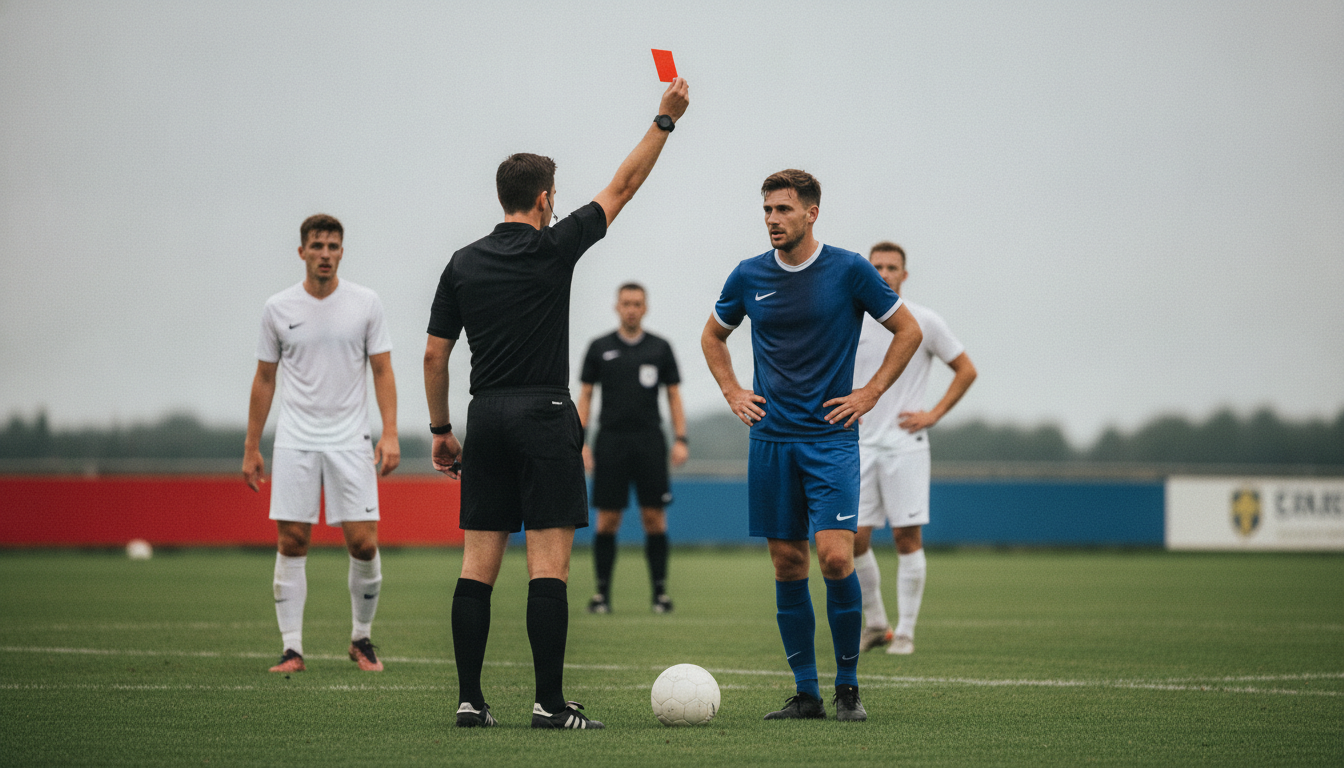
The edge case is what happens when a goalkeeper genuinely can't continue, injured, sent off, or otherwise gone, and the team has no substitute keeper left. Here the law stops being optional and becomes a requirement. As the Laws put it: "The team must have a goalkeeper, so one of the remaining players on the field takes over as goalkeeper and changes into a shirt that clearly distinguishes them from the other players and the match officials." This is the scenario behind those images of an outfield player, or occasionally even a substituted striker, standing in goal in an ill-fitting borrowed shirt for the closing stages of a match. It isn't a special dispensation, it's the same swap rule as the tactical corner-kick version, just forced by circumstance rather than chosen by a manager.
What the regulations don't do is fence goalkeepers into their box at all. Nothing in the Laws says a goalkeeper must stay in goal, must only play as a goalkeeper, or is barred from any other position on the pitch. The only regulation at all is about how the swap is carried out, inform the referee, wait for the ball to be dead. Everything else, including whether it's a sensible idea to send your keeper up for a header in the ninetieth minute, is left entirely to the team.
Sources1 source
IFAB Laws of the Game — Law 3: The Players, IFAB Laws of the Game — Law 3: The Players
Flagside's editors read every piece we publish. We work from the football press, write our own copy rather than reprinting anyone's, and check each article for accuracy and sourcing. Every outlet that fed into this piece is named under Sources.
%22%20%2F%3E%0A%20%20%3Crect%20width%3D%22100%25%22%20height%3D%22100%25%22%20fill%3D%22url(%23glow)%22%20%2F%3E%0A%20%20%3Cg%20transform%3D%22rotate(-8%2C%20600%2C%20337.5)%22%3E%0A%20%20%20%20%3Crect%20x%3D%22-200%22%20y%3D%22418.5%22%20width%3D%221600%22%20height%3D%222%22%20fill%3D%22%23E4002B%22%20opacity%3D%220.106%22%20%2F%3E%0A%20%20%20%20%3Crect%20x%3D%22-200%22%20y%3D%22499.5%22%20width%3D%221600%22%20height%3D%221%22%20fill%3D%22%23E4002B%22%20opacity%3D%220.106%22%20%2F%3E%0A%20%20%3C%2Fg%3E%0A%20%20%3Ccircle%20cx%3D%2291%22%20cy%3D%22394%22%20r%3D%22347%22%20fill%3D%22%23E4002B%22%20opacity%3D%220.050%22%20%2F%3E%0A%20%20%3Ccircle%20cx%3D%22905%22%20cy%3D%22337%22%20r%3D%22206%22%20fill%3D%22%23E4002B%22%20opacity%3D%220.130%22%20%2F%3E%0A%20%20%3Ccircle%20cx%3D%221092%22%20cy%3D%22489%22%20r%3D%22277%22%20fill%3D%22%23E4002B%22%20opacity%3D%220.083%22%20%2F%3E%0A%20%20%3Ccircle%20cx%3D%2258%22%20cy%3D%22243%22%20r%3D%22366%22%20fill%3D%22%23E4002B%22%20opacity%3D%220.053%22%20%2F%3E%0A%20%20%3Ccircle%20cx%3D%22148%22%20cy%3D%221%22%20r%3D%22263%22%20fill%3D%22%23E4002B%22%20opacity%3D%220.105%22%20%2F%3E%0A%20%20%3Ctext%20x%3D%2248%22%20y%3D%2264%22%0A%20%20%20%20%20%20%20%20font-family%3D%22'Taurus%20Grotesk'%2C%20system-ui%2C%20sans-serif%22%0A%20%20%20%20%20%20%20%20font-size%3D%2214%22%20font-weight%3D%22500%22%20letter-spacing%3D%222.5%22%0A%20%20%20%20%20%20%20%20fill%3D%22%23E4002B%22%20opacity%3D%220.85%22%3EOTHER%20FOOTBALL%3C%2Ftext%3E%0A%20%20%3Ctext%20x%3D%2248%22%20y%3D%22611%22%0A%20%20%20%20%20%20%20%20font-family%3D%22'Suomi%20Veto%20Lugati'%2C%20'Anton'%2C%20'Oswald'%2C%20Impact%2C%20sans-serif%22%0A%20%20%20%20%20%20%20%20font-style%3D%22italic%22%20font-weight%3D%22700%22%0A%20%20%20%20%20%20%20%20font-size%3D%2264%22%20letter-spacing%3D%22-0.01em%22%0A%20%20%20%20%20%20%20%20fill%3D%22%23FFFFFF%22%20opacity%3D%220.96%22%3EWhat%20Happens%20If%20a%20Football%20Match%20Draws%3F%3C%2Ftext%3E%0A%20%20%3Ctext%20x%3D%221152%22%20y%3D%22647%22%0A%20%20%20%20%20%20%20%20text-anchor%3D%22end%22%0A%20%20%20%20%20%20%20%20font-family%3D%22'Taurus%20Grotesk'%2C%20system-ui%2C%20sans-serif%22%0A%20%20%20%20%20%20%20%20font-size%3D%2211%22%20font-weight%3D%22500%22%20letter-spacing%3D%222%22%0A%20%20%20%20%20%20%20%20fill%3D%22%23FFFFFF%22%20opacity%3D%220.45%22%3EFLAGSIDE.FOOTBALL%3C%2Ftext%3E%0A%3C%2Fsvg%3E)
%22%20%2F%3E%0A%20%20%3Crect%20width%3D%22100%25%22%20height%3D%22100%25%22%20fill%3D%22url(%23glow)%22%20%2F%3E%0A%20%20%3Cg%20transform%3D%22rotate(5%2C%20600%2C%20337.5)%22%3E%0A%20%20%20%20%3Crect%20x%3D%22-200%22%20y%3D%22418.5%22%20width%3D%221600%22%20height%3D%222%22%20fill%3D%22%23E4002B%22%20opacity%3D%220.132%22%20%2F%3E%0A%20%20%20%20%3Crect%20x%3D%22-200%22%20y%3D%22499.5%22%20width%3D%221600%22%20height%3D%221%22%20fill%3D%22%23E4002B%22%20opacity%3D%220.132%22%20%2F%3E%0A%20%20%3C%2Fg%3E%0A%20%20%3Ccircle%20cx%3D%22744%22%20cy%3D%22129%22%20r%3D%22205%22%20fill%3D%22%23E4002B%22%20opacity%3D%220.129%22%20%2F%3E%0A%20%20%3Ccircle%20cx%3D%221071%22%20cy%3D%223%22%20r%3D%2290%22%20fill%3D%22%23E4002B%22%20opacity%3D%220.126%22%20%2F%3E%0A%20%20%3Ccircle%20cx%3D%22646%22%20cy%3D%22341%22%20r%3D%22154%22%20fill%3D%22%23E4002B%22%20opacity%3D%220.097%22%20%2F%3E%0A%20%20%3Ccircle%20cx%3D%22792%22%20cy%3D%2217%22%20r%3D%22313%22%20fill%3D%22%23E4002B%22%20opacity%3D%220.127%22%20%2F%3E%0A%20%20%3Ccircle%20cx%3D%22659%22%20cy%3D%22240%22%20r%3D%22129%22%20fill%3D%22%23E4002B%22%20opacity%3D%220.123%22%20%2F%3E%0A%20%20%3Ccircle%20cx%3D%221082%22%20cy%3D%22521%22%20r%3D%22178%22%20fill%3D%22%23E4002B%22%20opacity%3D%220.092%22%20%2F%3E%0A%20%20%3Ctext%20x%3D%2248%22%20y%3D%2264%22%0A%20%20%20%20%20%20%20%20font-family%3D%22'Taurus%20Grotesk'%2C%20system-ui%2C%20sans-serif%22%0A%20%20%20%20%20%20%20%20font-size%3D%2214%22%20font-weight%3D%22500%22%20letter-spacing%3D%222.5%22%0A%20%20%20%20%20%20%20%20fill%3D%22%23E4002B%22%20opacity%3D%220.85%22%3EOTHER%20FOOTBALL%3C%2Ftext%3E%0A%20%20%3Ctext%20x%3D%2248%22%20y%3D%22611%22%0A%20%20%20%20%20%20%20%20font-family%3D%22'Suomi%20Veto%20Lugati'%2C%20'Anton'%2C%20'Oswald'%2C%20Impact%2C%20sans-serif%22%0A%20%20%20%20%20%20%20%20font-style%3D%22italic%22%20font-weight%3D%22700%22%0A%20%20%20%20%20%20%20%20font-size%3D%2264%22%20letter-spacing%3D%22-0.01em%22%0A%20%20%20%20%20%20%20%20fill%3D%22%23FFFFFF%22%20opacity%3D%220.96%22%3EHow%20Long%20Can%20a%20Football%20Match%20Last%3F%3C%2Ftext%3E%0A%20%20%3Ctext%20x%3D%221152%22%20y%3D%22647%22%0A%20%20%20%20%20%20%20%20text-anchor%3D%22end%22%0A%20%20%20%20%20%20%20%20font-family%3D%22'Taurus%20Grotesk'%2C%20system-ui%2C%20sans-serif%22%0A%20%20%20%20%20%20%20%20font-size%3D%2211%22%20font-weight%3D%22500%22%20letter-spacing%3D%222%22%0A%20%20%20%20%20%20%20%20fill%3D%22%23FFFFFF%22%20opacity%3D%220.45%22%3EFLAGSIDE.FOOTBALL%3C%2Ftext%3E%0A%3C%2Fsvg%3E)

The day's football, in your inbox at 7 AM. Nothing else.
Pick of the night's matches, what the transfer window's doing, and the one column you should read today. No ads. No tips. No operators.
One-click unsubscribe. We do not share emails.
Comments
Loading comments…