
 LEE4
LEE4 NEW1
NEW1 PET
PET BAR
BAR WHU
WHU FUL
FUL IPS
IPS ARS
ARS LIV
LIV TOT
TOT REA
REA BRE
BRE EVE
EVE WOL
WOL FLE
FLE SHU
SHU COV
COV AVL
AVL MAN
MAN BHA
BHA BRC
BRC LCN
LCN MID
MID MIL
MIL FALK
FALK HOM
HOM HIBS
HIBS KIL
KIL%22%20%2F%3E%0A%20%20%3Crect%20width%3D%22100%25%22%20height%3D%22100%25%22%20fill%3D%22url(%23glow)%22%20%2F%3E%0A%20%20%3Cg%20transform%3D%22rotate(5%2C%20600%2C%20337.5)%22%3E%0A%20%20%20%20%3Crect%20x%3D%22-200%22%20y%3D%22418.5%22%20width%3D%221600%22%20height%3D%222%22%20fill%3D%22%23E4002B%22%20opacity%3D%220.132%22%20%2F%3E%0A%20%20%20%20%3Crect%20x%3D%22-200%22%20y%3D%22499.5%22%20width%3D%221600%22%20height%3D%221%22%20fill%3D%22%23E4002B%22%20opacity%3D%220.132%22%20%2F%3E%0A%20%20%3C%2Fg%3E%0A%20%20%3Ccircle%20cx%3D%22744%22%20cy%3D%22129%22%20r%3D%22205%22%20fill%3D%22%23E4002B%22%20opacity%3D%220.129%22%20%2F%3E%0A%20%20%3Ccircle%20cx%3D%221071%22%20cy%3D%223%22%20r%3D%2290%22%20fill%3D%22%23E4002B%22%20opacity%3D%220.126%22%20%2F%3E%0A%20%20%3Ccircle%20cx%3D%22646%22%20cy%3D%22341%22%20r%3D%22154%22%20fill%3D%22%23E4002B%22%20opacity%3D%220.097%22%20%2F%3E%0A%20%20%3Ccircle%20cx%3D%22792%22%20cy%3D%2217%22%20r%3D%22313%22%20fill%3D%22%23E4002B%22%20opacity%3D%220.127%22%20%2F%3E%0A%20%20%3Ccircle%20cx%3D%22659%22%20cy%3D%22240%22%20r%3D%22129%22%20fill%3D%22%23E4002B%22%20opacity%3D%220.123%22%20%2F%3E%0A%20%20%3Ccircle%20cx%3D%221082%22%20cy%3D%22521%22%20r%3D%22178%22%20fill%3D%22%23E4002B%22%20opacity%3D%220.092%22%20%2F%3E%0A%20%20%3Ctext%20x%3D%2248%22%20y%3D%2264%22%0A%20%20%20%20%20%20%20%20font-family%3D%22'Taurus%20Grotesk'%2C%20system-ui%2C%20sans-serif%22%0A%20%20%20%20%20%20%20%20font-size%3D%2214%22%20font-weight%3D%22500%22%20letter-spacing%3D%222.5%22%0A%20%20%20%20%20%20%20%20fill%3D%22%23E4002B%22%20opacity%3D%220.85%22%3EOTHER%20FOOTBALL%3C%2Ftext%3E%0A%20%20%3Ctext%20x%3D%2248%22%20y%3D%22611%22%0A%20%20%20%20%20%20%20%20font-family%3D%22'Suomi%20Veto%20Lugati'%2C%20'Anton'%2C%20'Oswald'%2C%20Impact%2C%20sans-serif%22%0A%20%20%20%20%20%20%20%20font-style%3D%22italic%22%20font-weight%3D%22700%22%0A%20%20%20%20%20%20%20%20font-size%3D%2264%22%20letter-spacing%3D%22-0.01em%22%0A%20%20%20%20%20%20%20%20fill%3D%22%23FFFFFF%22%20opacity%3D%220.96%22%3EHow%20Long%20Can%20a%20Football%20Match%20Last%3F%3C%2Ftext%3E%0A%20%20%3Ctext%20x%3D%221152%22%20y%3D%22647%22%0A%20%20%20%20%20%20%20%20text-anchor%3D%22end%22%0A%20%20%20%20%20%20%20%20font-family%3D%22'Taurus%20Grotesk'%2C%20system-ui%2C%20sans-serif%22%0A%20%20%20%20%20%20%20%20font-size%3D%2211%22%20font-weight%3D%22500%22%20letter-spacing%3D%222%22%0A%20%20%20%20%20%20%20%20fill%3D%22%23FFFFFF%22%20opacity%3D%220.45%22%3EFLAGSIDE.FOOTBALL%3C%2Ftext%3E%0A%3C%2Fsvg%3E)
How Long Can a Football Match Last?
Stoppage time hits zero, the whistle is halfway to the referee's lips, then a defender clatters someone in the box. The whistle doesn't come. Here's why the clock effectively stops meaning anything.

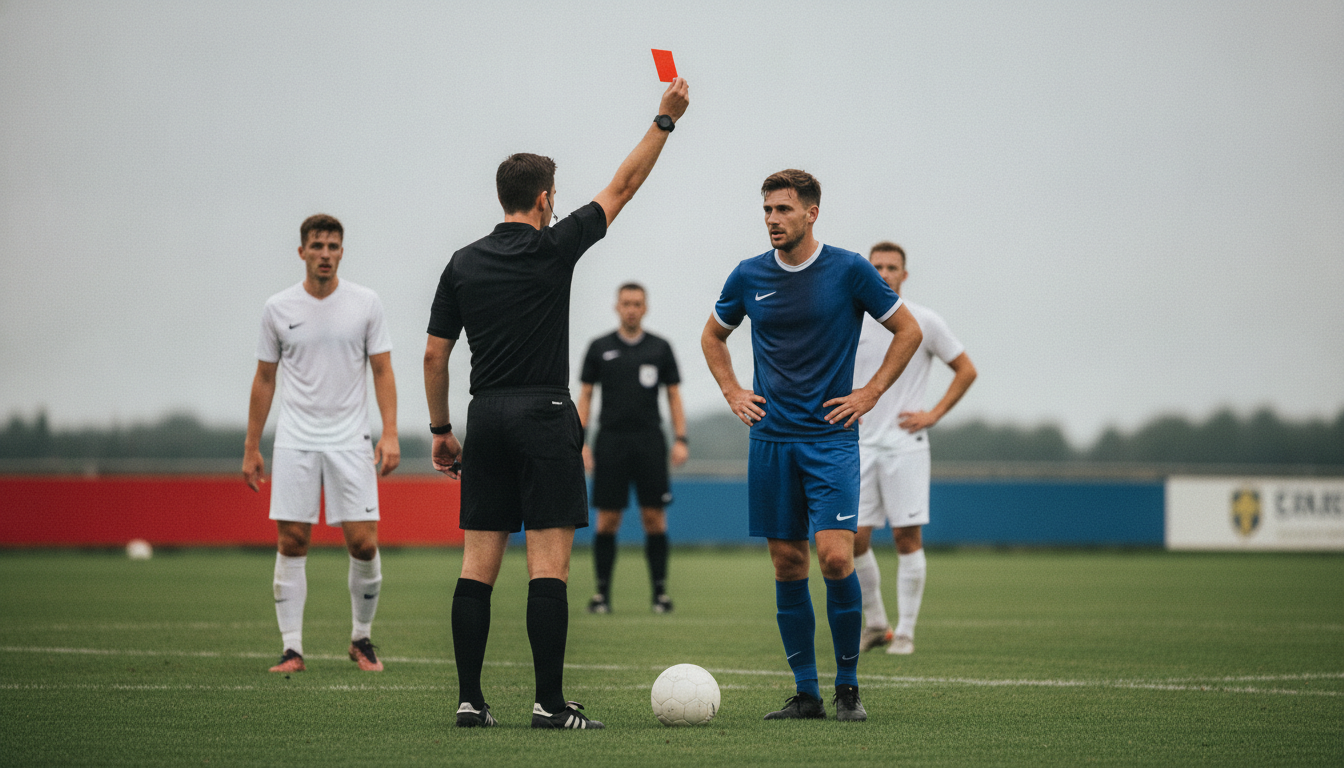
Picture it: ninetieth minute, board's gone up for four added minutes, those four minutes have just ticked past. The referee should be blowing for full time. Instead there's a coming-together in the penalty area, the whistle goes for a foul instead of the final whistle, and everyone on the pitch understands the game is not actually over. The penalty gets set, the keeper stands on his line, and only once it's been taken, and if needed, retaken, does the referee finally end the half.
A standard match is 90 minutes: two halves of 45. That's the baseline everyone knows. What fewer people know is that those 45-minute halves are not a hard ceiling. They can run longer, and one specific reason is written directly into the laws of the game.
The basic shape is simple enough. Each half lasts 45 minutes, and the two halves can only be shortened if the referee and both teams agree to it before the match kicks off, you don't get to shave time off once play has started, no matter how the game is going. On top of the 45, the referee adds time at the end of each half to make up for minutes lost to substitutions, injuries, time-wasting, goal celebrations and anything else that stopped the ball rolling. That added time is the referee's call, not a fixed number, which is why it varies from game to game and why it can feel longer or shorter than expected.
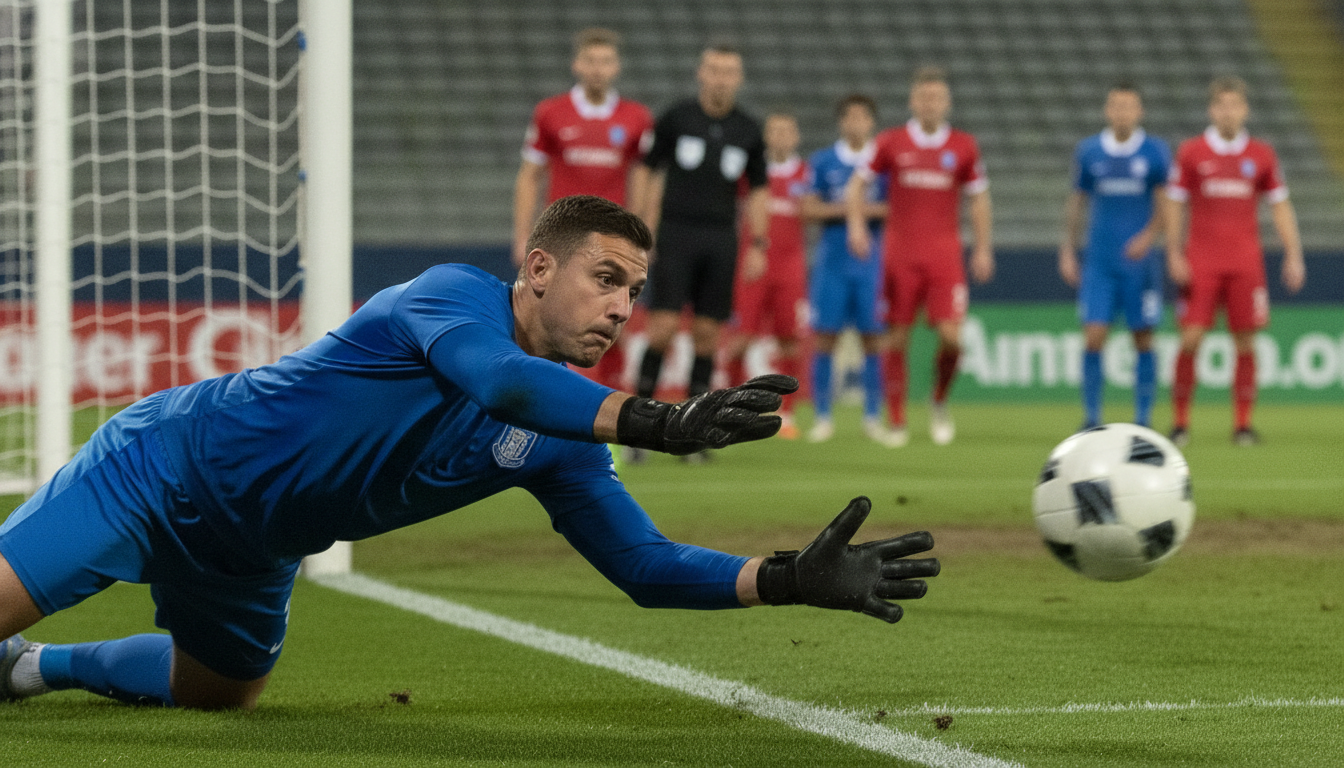
The part that catches people out is what happens when a penalty is still outstanding as that added time runs out. IFAB's Laws of the Game, Law 7 on the duration of the match, put it plainly: "If a penalty kick has to be taken or retaken, the half is extended until the penalty kick is completed." Not until the initial kick is taken, until it is completed. That single word is doing real work. If the penalty is saved, or hits the post, or the goalkeeper encroaches and the referee orders a retake, the half simply keeps going. There is no cap on how many times a penalty can be retaken before the half is allowed to end. The 90 minutes, in that moment, stops being a real number and becomes whatever it takes to finish the kick properly.
The other way a match runs past 90 minutes is more familiar: extra time in knockout competitions, where a draw at full time triggers additional periods of play beyond the standard length, on top of whatever stoppage time the referee has already added. That's a different mechanism from the penalty rule, it's built into the competition format rather than triggered by a single incident, but it means the honest answer to "how long can a match last" is that 90 minutes is the normal length, not the legal limit. Between accumulated stoppage time, a penalty that needs retaking, and extra time in a cup tie, a match can run considerably longer than the two 45-minute halves suggest, and the laws are written to make sure none of those situations get cut short by the clock.
Sources1 source
IFAB Laws of the Game — Law 7: The Duration of the Match
Flagside's editors read every piece we publish. We work from the football press, write our own copy rather than reprinting anyone's, and check each article for accuracy and sourcing. Every outlet that fed into this piece is named under Sources.
The day's football, in your inbox at 7 AM. Nothing else.
Pick of the night's matches, what the transfer window's doing, and the one column you should read today. No ads. No tips. No operators.
One-click unsubscribe. We do not share emails.
Comments
Loading comments…