
 FUL1
FUL1 MAN1
MAN1 BOU0
BOU0 LIV1
LIV1 LEE0
LEE0 CRY0
CRY0 MNC5
MNC5 SUN3
SUN3 NFO0
NFO0 COV1
COV1 BHA3
BHA3 ARS0
ARS0 EVE1
EVE1 IPS0
IPS0 NEW2
NEW2 HUL1
HUL1 TOT2
TOT2 AVL3
AVL3 NOR3
NOR3 BOL4
BOL4 WOL1
WOL1 WBA0
WBA0 BIR2
BIR2 MID2
MID2 BUR1
BUR1 DER1
DER1 LCN1
LCN1 SWA2
SWA2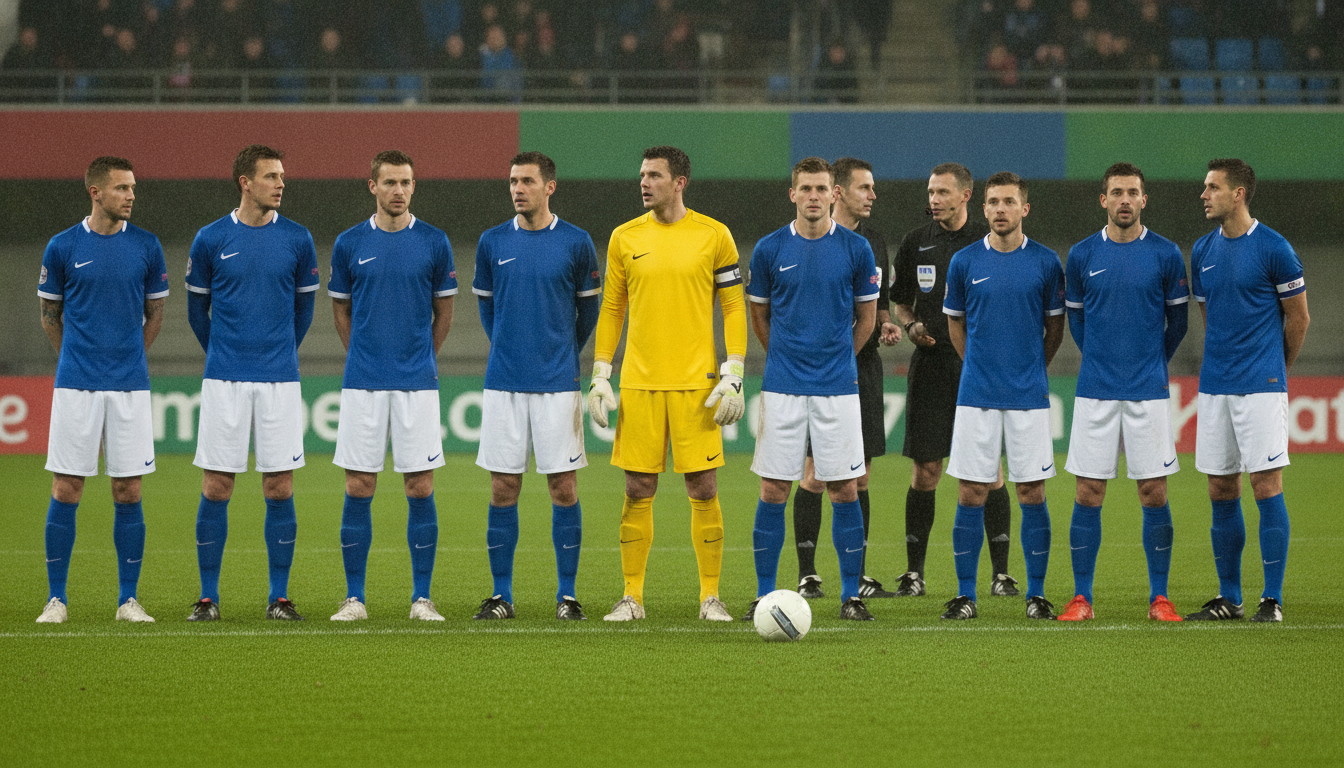
How Many Players Are on a Soccer Team?
How Many Players Are on a Soccer Team?
Two lines of players walk out before kickoff, one keeper in each row wearing a different-coloured jersey. The number of players on that pitch is written into the laws of the game down to the exact word.

Stand at the halfway line before kickoff and count. Eleven players jog into position on one side, eleven on the other, and in each group one of them peels off toward a goal wearing gloves and a jersey that doesn't match anyone else's. That's the full picture of a soccer team on the pitch, and it's fixed by rule, not custom.
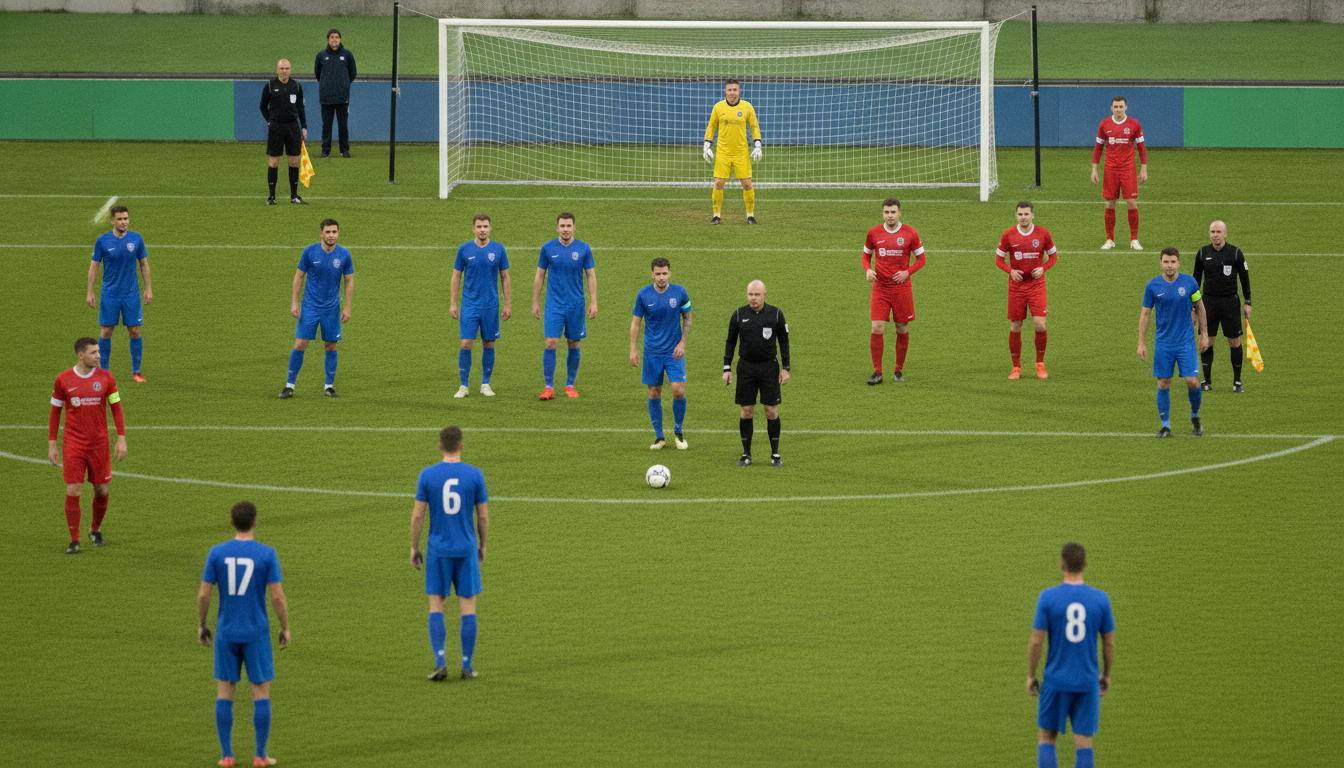
A team is allowed a maximum of eleven players, and one of those eleven has to be the goalkeeper. That's not a tactical convention some manager settled on decades ago, it's written directly into the laws of the game. The IFAB Laws of the Game, Law 3: The Players, state it in a single sentence: "A match is played by two teams, each with a maximum of eleven players; one must be the goalkeeper." Eleven is the ceiling. A team can play with fewer, through injury or a red card, but it can never send out a twelfth player, and it can never send out eleven outfielders with nobody designated to use their hands in the box.
The word doing the real work in that sentence is "maximum." It sounds like a throwaway detail, but it's the reason substitutions exist as a swap rather than an addition, a player comes off before another goes on, because the total on the pitch for either side is never allowed to climb past eleven, not even for a few seconds. The goalkeeper clause is just as deliberate. Soccer is built around outfield players being forbidden to handle the ball, so the laws make sure every team always has exactly one person on the pitch who is allowed to.
The edge case most fans never think to ask about is the other end of the number, how few players a team can have and still be allowed to continue. Injuries pile up, red cards get shown, and eventually a team runs short. The Laws of the Game cover that too, in the same Law 3: "A match may not start or continue if either team has fewer than seven players." Drop below seven, through injuries and dismissals combined, and the referee has to stop the match. That threshold comes with its own carve-out, because the laws don't count every player temporarily missing from the pitch as actually gone. Players sent off for a short spell, or off the field during a timed substitution or for treatment and assessment under the relevant protocols, aren't included in that seven-player count while they're away. So a team can look shorthanded for a minute or two on the touchline without the match being in danger, it's a specific, temporary absence, not a straightforward headcount of bodies on the grass.
Eleven is the number everyone knows. Seven is the one buried in the same law, quietly doing just as much work.
Sources1 source
IFAB Laws of the Game — Law 3: The Players, IFAB Laws of the Game — Law 3: The Players
Flagside's editors read every piece we publish. We work from the football press, write our own copy rather than reprinting anyone's, and check each article for accuracy and sourcing. Every outlet that fed into this piece is named under Sources.

The day's football, in your inbox at 7 AM. Nothing else.
Pick of the night's matches, what the transfer window's doing, and the one column you should read today. No ads. No tips. No operators.
One-click unsubscribe. We do not share emails.
Comments
Loading comments…