
 DMA1
DMA1 AIA0
AIA0 FIJ0
FIJ0 VAN1
VAN1 NCD0
NCD0 SOL2
SOL2 AZE
AZE TJK
TJK GIB
GIB STP
STP%22%20%2F%3E%0A%20%20%3Crect%20width%3D%22100%25%22%20height%3D%22100%25%22%20fill%3D%22url(%23glow)%22%20%2F%3E%0A%20%20%3Cg%20transform%3D%22rotate(-8%2C%20600%2C%20337.5)%22%3E%0A%20%20%20%20%3Crect%20x%3D%22-200%22%20y%3D%22418.5%22%20width%3D%221600%22%20height%3D%222%22%20fill%3D%22%23E4002B%22%20opacity%3D%220.106%22%20%2F%3E%0A%20%20%20%20%3Crect%20x%3D%22-200%22%20y%3D%22499.5%22%20width%3D%221600%22%20height%3D%221%22%20fill%3D%22%23E4002B%22%20opacity%3D%220.106%22%20%2F%3E%0A%20%20%3C%2Fg%3E%0A%20%20%3Ccircle%20cx%3D%2291%22%20cy%3D%22394%22%20r%3D%22347%22%20fill%3D%22%23E4002B%22%20opacity%3D%220.050%22%20%2F%3E%0A%20%20%3Ccircle%20cx%3D%22905%22%20cy%3D%22337%22%20r%3D%22206%22%20fill%3D%22%23E4002B%22%20opacity%3D%220.130%22%20%2F%3E%0A%20%20%3Ccircle%20cx%3D%221092%22%20cy%3D%22489%22%20r%3D%22277%22%20fill%3D%22%23E4002B%22%20opacity%3D%220.083%22%20%2F%3E%0A%20%20%3Ccircle%20cx%3D%2258%22%20cy%3D%22243%22%20r%3D%22366%22%20fill%3D%22%23E4002B%22%20opacity%3D%220.053%22%20%2F%3E%0A%20%20%3Ccircle%20cx%3D%22148%22%20cy%3D%221%22%20r%3D%22263%22%20fill%3D%22%23E4002B%22%20opacity%3D%220.105%22%20%2F%3E%0A%20%20%3Ctext%20x%3D%2248%22%20y%3D%2264%22%0A%20%20%20%20%20%20%20%20font-family%3D%22'Taurus%20Grotesk'%2C%20system-ui%2C%20sans-serif%22%0A%20%20%20%20%20%20%20%20font-size%3D%2214%22%20font-weight%3D%22500%22%20letter-spacing%3D%222.5%22%0A%20%20%20%20%20%20%20%20fill%3D%22%23E4002B%22%20opacity%3D%220.85%22%3EOTHER%20FOOTBALL%3C%2Ftext%3E%0A%20%20%3Ctext%20x%3D%2248%22%20y%3D%22611%22%0A%20%20%20%20%20%20%20%20font-family%3D%22'Suomi%20Veto%20Lugati'%2C%20'Anton'%2C%20'Oswald'%2C%20Impact%2C%20sans-serif%22%0A%20%20%20%20%20%20%20%20font-style%3D%22italic%22%20font-weight%3D%22700%22%0A%20%20%20%20%20%20%20%20font-size%3D%2264%22%20letter-spacing%3D%22-0.01em%22%0A%20%20%20%20%20%20%20%20fill%3D%22%23FFFFFF%22%20opacity%3D%220.96%22%3EWhat%20Happens%20If%20a%20Football%20Match%20Draws%3F%3C%2Ftext%3E%0A%20%20%3Ctext%20x%3D%221152%22%20y%3D%22647%22%0A%20%20%20%20%20%20%20%20text-anchor%3D%22end%22%0A%20%20%20%20%20%20%20%20font-family%3D%22'Taurus%20Grotesk'%2C%20system-ui%2C%20sans-serif%22%0A%20%20%20%20%20%20%20%20font-size%3D%2211%22%20font-weight%3D%22500%22%20letter-spacing%3D%222%22%0A%20%20%20%20%20%20%20%20fill%3D%22%23FFFFFF%22%20opacity%3D%220.45%22%3EFLAGSIDE.FOOTBALL%3C%2Ftext%3E%0A%3C%2Fsvg%3E)
What Happens If a Football Match Draws?
The final whistle goes with the scoreboard reading level, and half the players just stand there, no arms raised, no defeat either. Here's what the Laws of the Game actually say happens next.

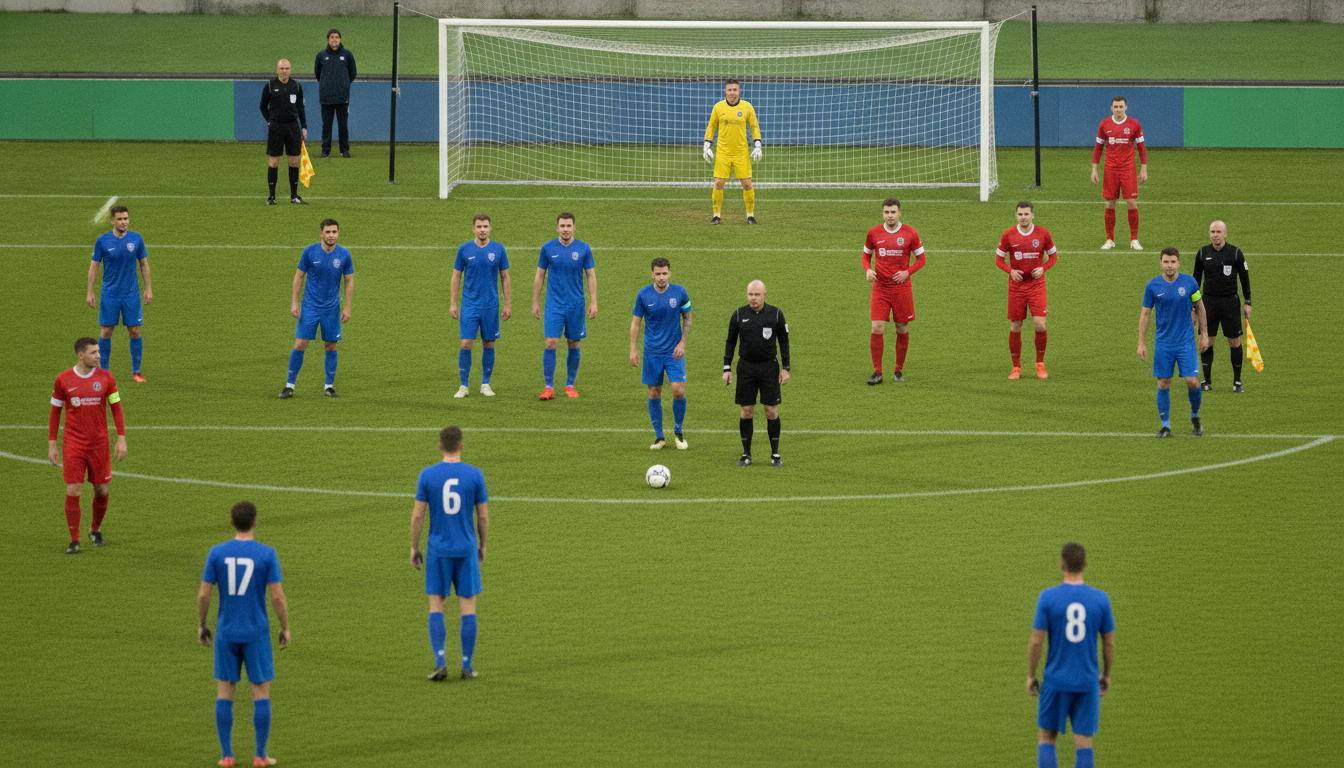
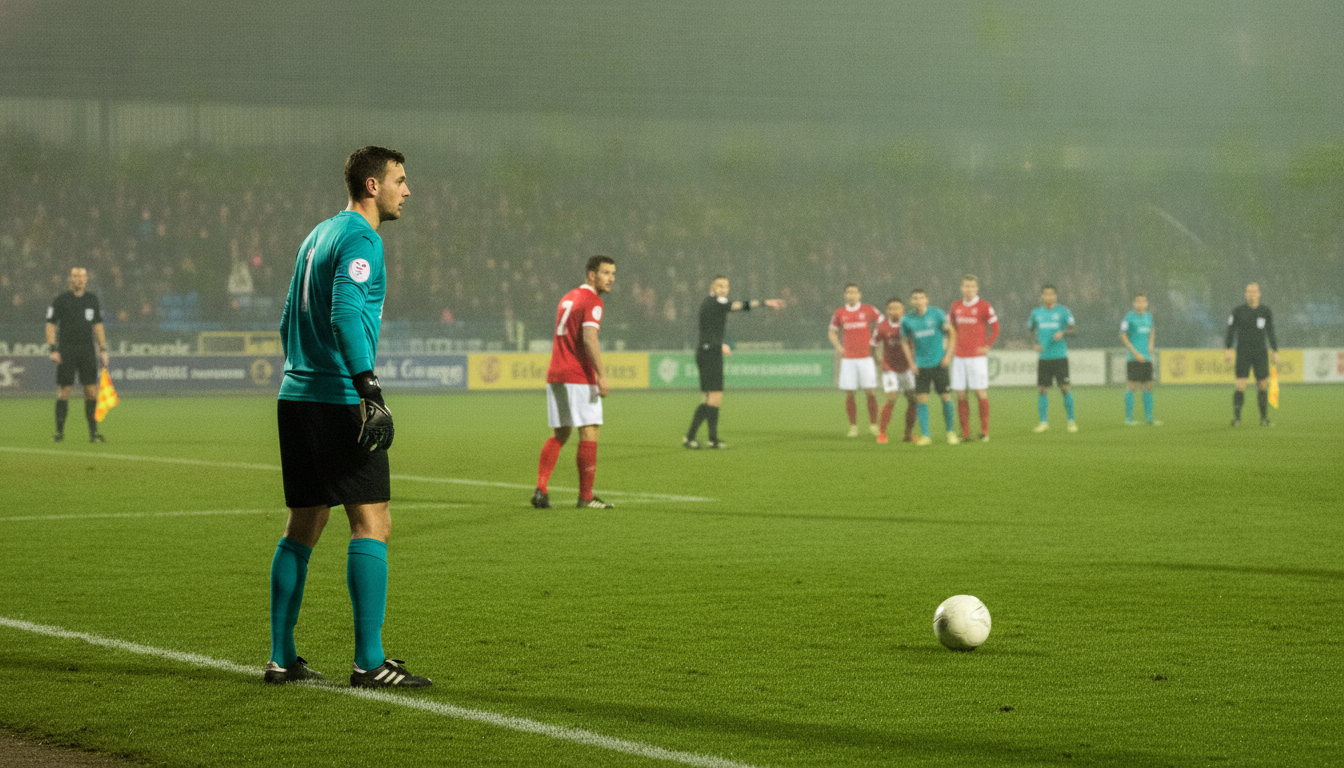
Picture it: last minute, scores level, the ball trickles out for a throw-in nobody bothers to contest quickly, and the referee checks his watch before blowing for full time. Some players clap the crowd, some bend over with hands on knees, one or two shake an opponent's hand and jog straight down the tunnel. Nobody is celebrating, nobody is destroyed. That flat, in-between reaction is what a draw actually looks like on a pitch.
The rule behind it is short and blunt. Law 10 of the IFAB Laws of the Game, which covers Determining the Outcome of a Match, states: "If both teams score no goals or an equal number of goals, the match is drawn." That's the whole default position. No goals at all counts just the same as three apiece, level is level, and the match ends drawn unless something else has been arranged in advance.
That "unless" is where league fixtures and knockout fixtures part company. In a normal league match, a draw is simply the result. Both teams get a point, the table updates, everyone goes home. There's no requirement anywhere in Law 10 for a winner to be produced. But some competitions, cup ties, playoffs, tournament knockout rounds, need a team to go through, and for those, the Laws set out exactly what's allowed. Law 10 says: "When competition rules require a winning team after a drawn match or home-and-away tie, the only permitted procedures to determine the winning team are: away goals rule two equal periods of extra time not exceeding 15 minutes each penalties (penalty shoot-out)." The word doing the work there is "only", organisers can't invent their own tiebreaker. It has to be one of those three, or some combination of them.
That's the part most people never clock: extra time doesn't replace penalties, and penalties don't replace extra time. A competition can chain them together, half an hour of extra time first, and if the sides are still level after that, straight to a shoot-out. The away goals rule sits alongside those two as a third permitted method, applied to two-legged ties rather than a single match, for competitions that choose to use it.
The 15-minute cap on each period of extra time is exact and non-negotiable under the Law, two periods, neither longer than 15 minutes. There's no version of extra time that runs longer than that written into Law 10, and no fourth method sitting quietly alongside the three named ones. If a competition wants a winner and none of those three procedures produce one on the night, the only route left is stacking two of them together, which is precisely what most cup finals with penalty shoot-outs are doing: extra time first, then, if still level, penalties.
Sources1 source
IFAB Laws of the Game — Law 10: Determining the Outcome of a Match, IFAB Laws of the Game — Law 10: Determining the Outcome of a Match
Flagside's editors read every piece we publish. We work from the football press, write our own copy rather than reprinting anyone's, and check each article for accuracy and sourcing. Every outlet that fed into this piece is named under Sources.

The day's football, in your inbox at 7 AM. Nothing else.
Pick of the night's matches, what the transfer window's doing, and the one column you should read today. No ads. No tips. No operators.
One-click unsubscribe. We do not share emails.
Comments
Loading comments…