
 DEN2
DEN2 POR2
POR2 GER1
GER1 SRB0
SRB0 GRE2
GRE2 NED0
NED0 ISR0
ISR0 KOS0
KOS0 MLT1
MLT1 GIB0
GIB0 IRL2
IRL2 AUT0
AUT0 WAL2
WAL2 NOR1
NOR1 AZE0
AZE0 LIE0
LIE0 MDV0
MDV0 LIB6
LIB6 UZB4
UZB4 SYR1
SYR1 COK0
COK0 TAH0
TAH0 ARG4
ARG4 BOL0
BOL0 LTU3
LTU3 AND0
AND0 BOT0
BOT0 MOZ2
MOZ2
Why is football so popular in America?
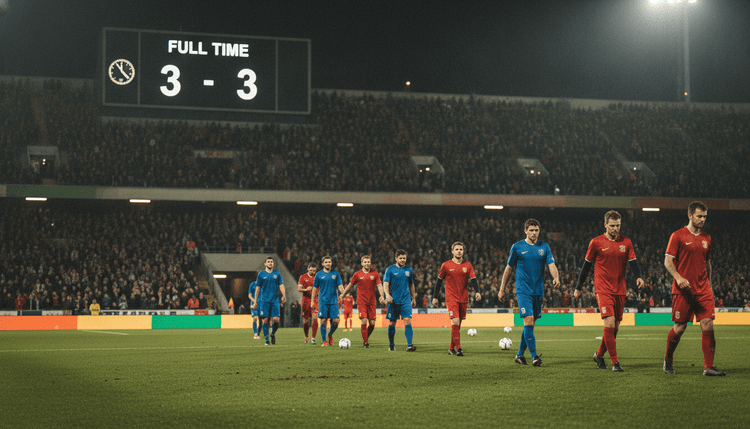
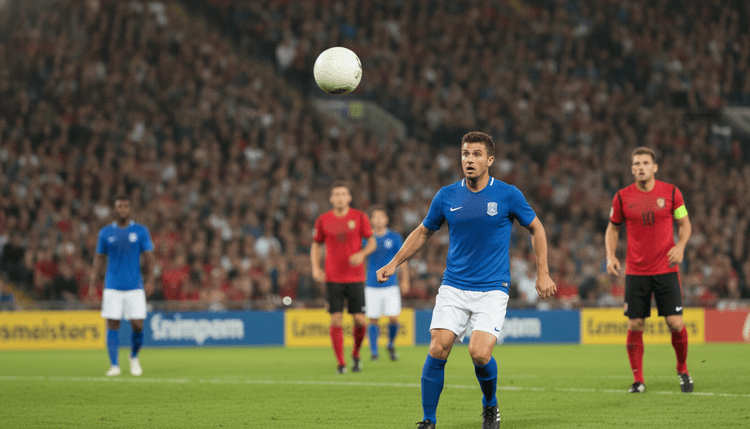
A packed stadium in Miami, kids in replica shirts, a global superstar walking out to warm up, the scene that made American football's rise impossible to ignore also explains why it was already happening.
Written with AI and checked automatically before publishing. How we work
Picture the scene: a Saturday night crowd filling a stadium that used to be lucky to see half that number, parents and children in matching shirts, a line of camera crews following one player's every touch in the warm-up. That player is Lionel Messi, and his move to Inter Miami is the single clearest reason football has felt suddenly, loudly popular in America. But the crowd was already growing before he arrived, he just gave people a reason to point a camera at it.
Football's popularity in the US is not one thing, it is several things that happened at once. Kids have been signing up to play it for decades, parents have poured into youth leagues because the sport is seen as safe and open to any child regardless of size or background. Immigrant communities from football-mad countries have kept the sport alive in neighbourhoods and living rooms for generations, turning World Cup mornings into genuine events long before it was fashionable elsewhere. Add streaming and television deals that now put the Premier League and other European leagues on screens in American homes every weekend, and a kid who grew up playing recreationally can also watch the best players in the world without leaving the couch.
The domestic league has caught up to meet that appetite. Major League Soccer has built new stadiums, drawn bigger crowds and signed recognisable names, giving American fans a local team to follow rather than only a foreign one on a screen. The US women's national team has done even more of the heavy lifting on the field, winning multiple world titles and pulling in television audiences that often dwarf other sports coverage in the same window. None of this needed Messi to happen. What his arrival did was collapse all those slow-building trends into one visible, photographable moment that newspapers and highlight reels could point to.
Sitting behind all of it is the 2026 World Cup, which the United States is co-hosting. Tournaments like that do not create interest out of nothing, but they do concentrate it, stadiums get built or upgraded, broadcasters commit more airtime, and casual viewers who might otherwise ignore the sport get pulled in because it is suddenly everywhere, on every channel, in every city with a host venue. The timing lines up with everything else: a league that has grown for years, a women's team with a trophy cabinet, a generation of kids who grew up playing the sport rather than just watching others play it, and now a global star living and playing among them.
The edge case readers often miss is that football's American popularity is not new, it is uneven. It has been strong for decades inside immigrant communities and youth leagues, largely invisible to national television coverage, while appearing to explode overnight only because the cameras finally turned toward it. The surge people are noticing now is less a sport arriving in America and more a sport that was already there being noticed properly for the first time.


The day's football, in your inbox at 7 AM. Nothing else.
Pick of the night's matches, what the transfer window's doing, and the one column you should read today. No ads. No tips. No operators.
One-click unsubscribe. We do not share emails.
Comments
Loading comments…